


I was six years old when Apollo 17 lifted off in December 1972. A long time ago.
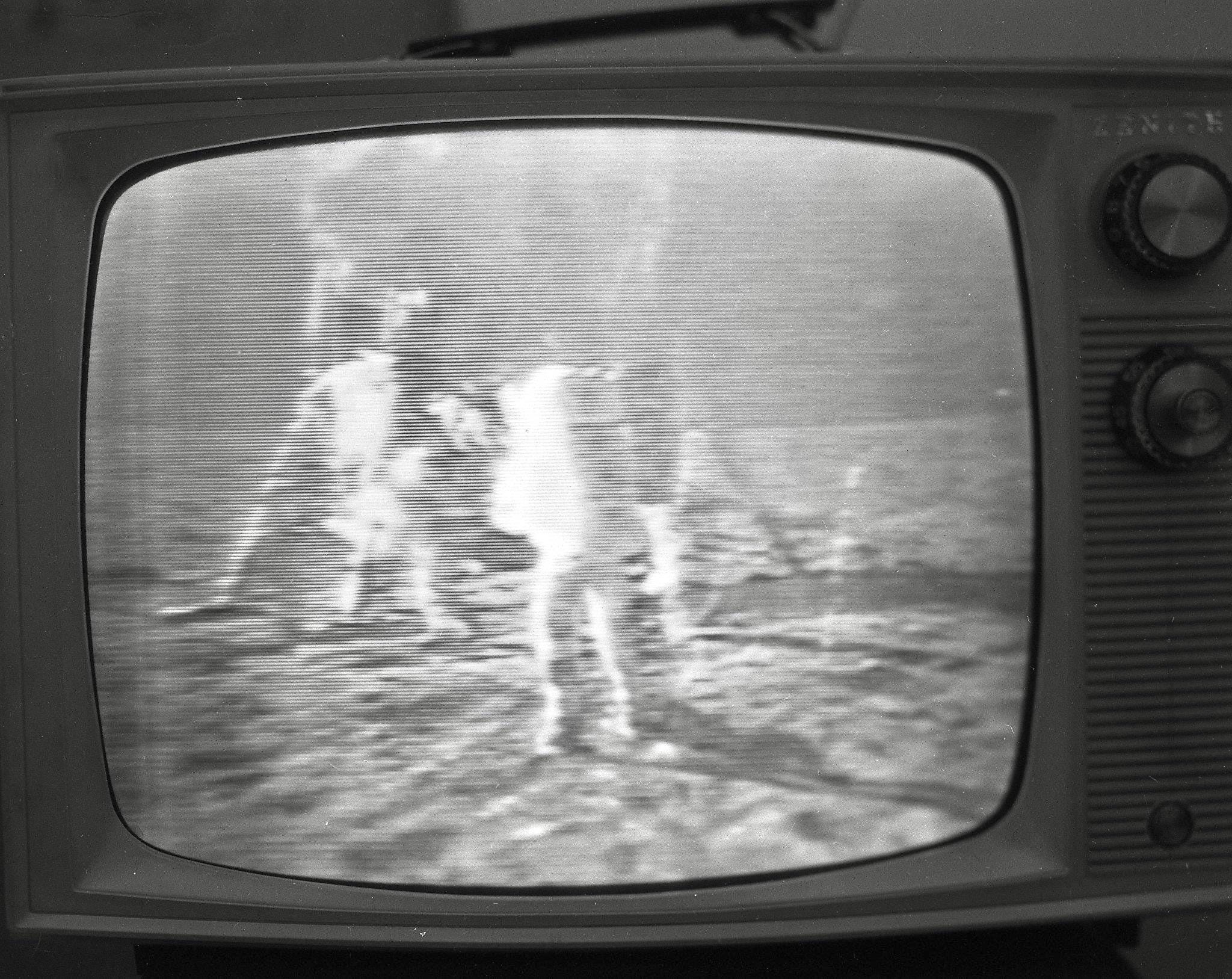
That was the last time humans left low Earth orbit. I have only the faintest memories of it — grainy television pictures, my father explaining what was happening, and a general sense that something big was occurring. We were watching the end of an era, though none of us knew it at the time.
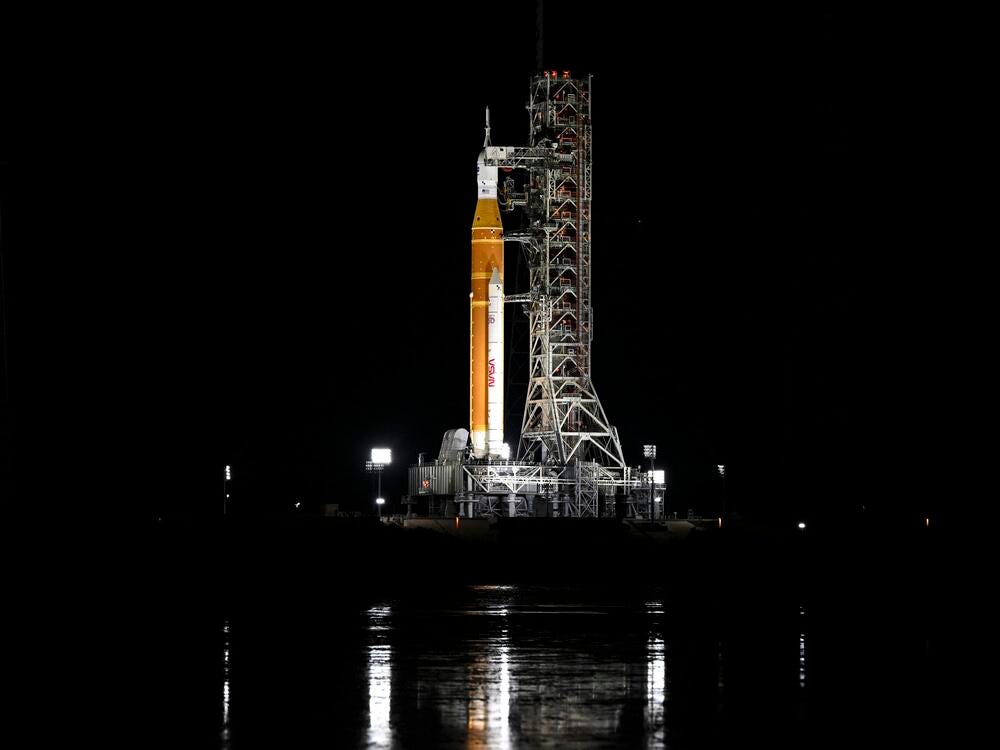
Fifty-three years later, I sat and watched Artemis II launch — the first crewed mission beyond low Earth orbit since Apollo 17. Four astronauts strapped into Orion, riding the biggest rocket NASA has ever built, heading for a loop around the Moon.
It felt like closing a very long circle.
The Long Pause
For fifty-three years, no human being left low Earth orbit.
We went to the Moon, planted the flag, drove around in a rover, hit a few golf balls, and then… we stopped.
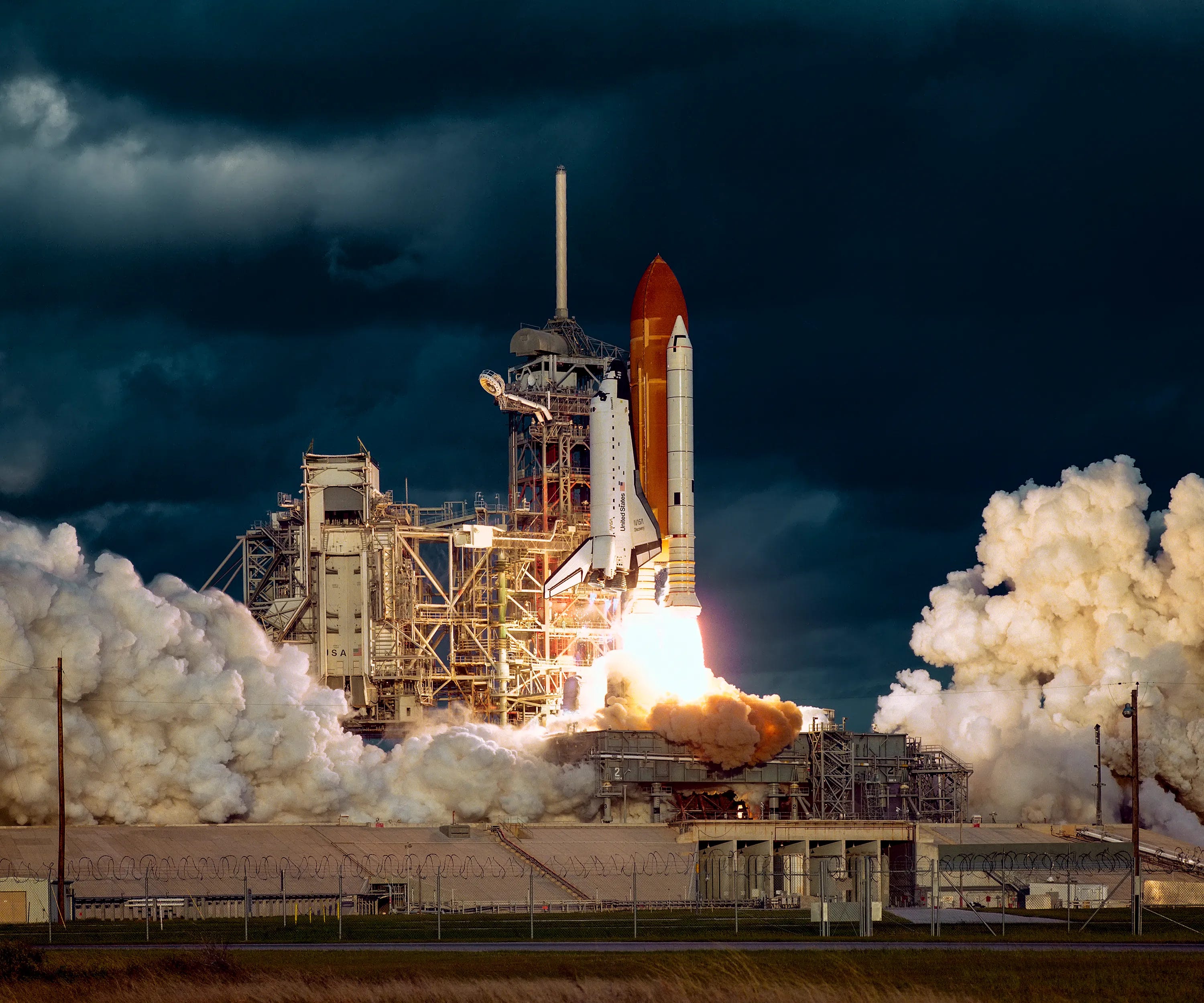
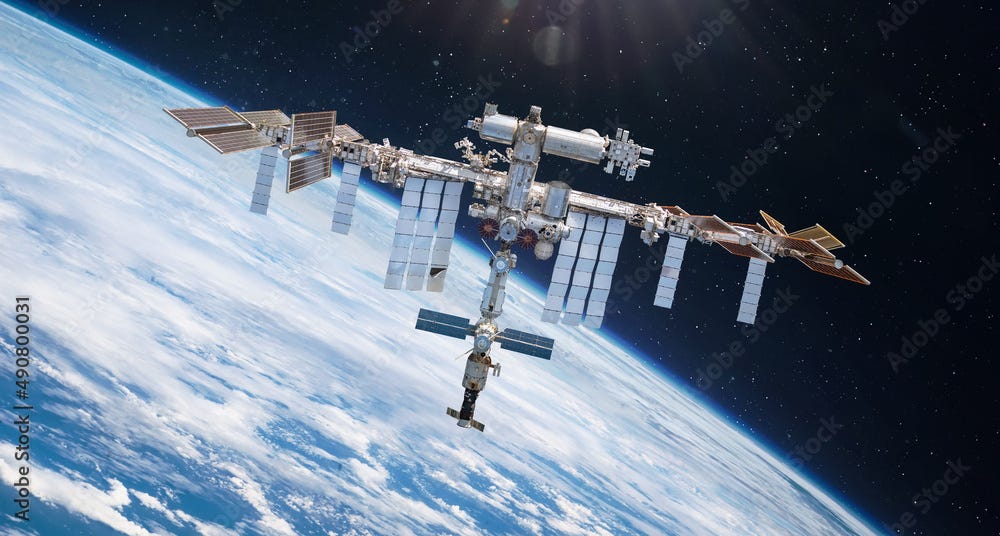
We built the Space Shuttle, flew it for thirty years, and never went higher than a few hundred miles. We built the International Space Station, which has been continuously occupied since 2000, but it never left Earth’s immediate neighborhood.
We sent robots to Mars, probes to the outer planets, and telescopes deep into space, but human beings stayed close to home.
A small exception:
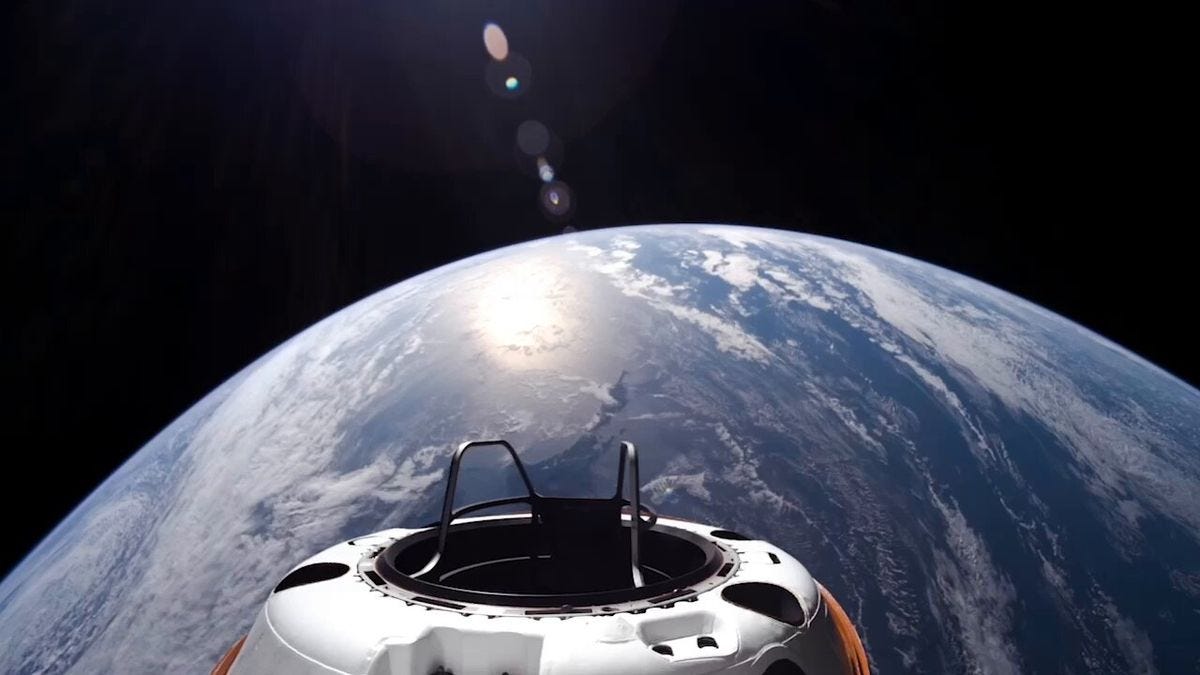
In September 2024, Polaris Dawn — commanded by Jared Isaacman — reached an apogee of approximately 870 miles (1,400 km). It was the highest crewed flight since Apollo 17, though still well short of the Moon.
We told ourselves a lot of stories about why we stopped going farther.
It was too expensive.
It was too dangerous.
The public lost interest.
We had more pressing problems on Earth.
Some of those reasons were true. Some were excuses.
What I know for sure is this: I was six years old when we last left Earth orbit in any meaningful way. I’m now 59, and only in the last few days have we sent humans out again — not to land, not even to orbit the Moon yet, but at least far enough that the Earth becomes a small blue marble once more.
Fifty-three years.
That’s a long time to pause something as big as leaving our cradle. But perhaps cost, expense, and government waste made sense.
The ROI Question
In the 1980s, the Army was paying hundreds of dollars apiece for a specialized tool designed to load ammunition into the Bradley Fighting Vehicle’s 25mm chain gun. The tool was so poorly designed and unreliable that the crews would regularly throw it away and just go buy a $10 wrench at Sears that actually worked.
That’s what most government spending feels like to me.
And then there’s NASA.
For all its bureaucratic bloat and occasional cost overruns, NASA has repeatedly shown something rare in government programs: a real, measurable return on investment. Economic studies have estimated that every dollar spent on NASA has historically generated between $7 and $14 in economic activity through spin-off technologies, new industries, and productivity gains.
The microcomputer age
The entire foundation of modern computing — the miniaturization, reliability, and processing power that made personal computers possible — traces directly back to the extreme engineering demands of the Apollo program. Without Apollo, the microcomputer revolution would have happened much later, if at all.
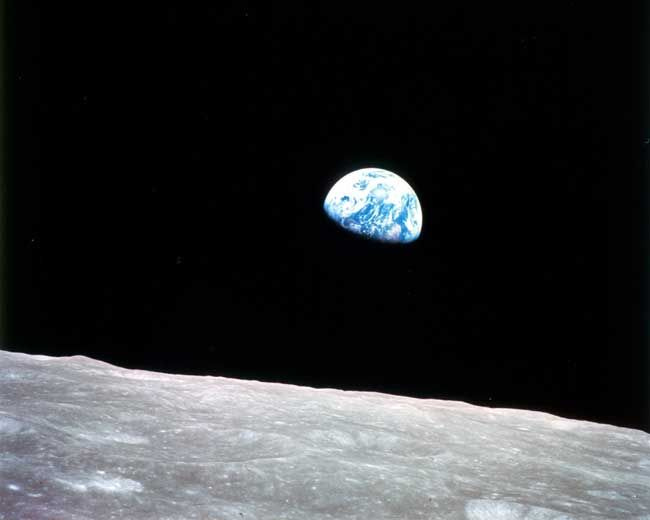
We got GPS, advanced materials, medical imaging breakthroughs, better weather forecasting, and countless improvements in computing and electronics — many of which started as space program requirements and then trickled down into everyday life.
Compare that to the typical government program where a dollar spent often returns less than a dollar in value after inefficiency, overhead, and unintended consequences. NASA isn’t perfect, but it’s one of the few large-scale federal efforts that consistently punches above its weight in long-term value creation.
That’s why I’ve always been willing to pay taxes for NASA while remaining deeply skeptical of most other government spending. It’s not blind faith in bureaucracy. It’s a pragmatic recognition that some ambitions — pushing the frontier of human capability — have historically delivered outsized returns that justify the cost.
Artemis II is expensive. There’s no denying that. But so was Apollo. And the technological and economic dividends from that program are still paying off more than half a century later.
Conclusion
I don’t pretend NASA is perfect. It’s still a government agency with all the usual problems — cost overruns, political interference, and occasional mission bloat.
But when I weigh it against the alternative — the endless parade of programs that deliver less than they cost — NASA stands out as one of the few places where ambitious government spending has actually produced lasting value for the country and the world.
I was six when we last left Earth orbit. I’m 59 now.
I don’t know if Artemis II will lead us back to the Moon in a meaningful, sustainable way, or if it will become another expensive pause. What I do know is that watching those four astronauts head out again felt like something important had finally restarted.
Mankind needs to leave our cradle to grow up and survive.
Maybe that’s worth paying taxes for.
Maybe some dreams are still worth chasing — even when the bill is high, the timeline is long, and the outcome is never guaranteed.
I loved the launch. Space dominance seems like a good thing to spend money on
I am excited with our re-entry to deep space. I was in the Marine Corps, assigned to the launch site recovery team for Apollo 8, and am exceptionally proud of my extremely minor role. Being 1500 yards from a Saturn 5 when they light the candle is indescribable. Just to be a part of that team was pretty much the honor of a lifetime. Unfortunately we quit space exploration for a near earth research facility. Now we're outbound again. Whatever gets that going again is exciting, in my opinion.