

It's Elon's World Now

A great deal has been written about Elon Musk over the years. In the past week, as the SpaceX IPO approached and the reality of Musk becoming a trillionaire grew closer, the volume of commentary exploded. Now that the IPO has closed on June 12, 2026, the chattering class is in full roar.
I started this over on Glenn Reynold’s most excellent post about Elon and the SpaceX IPO … and when I was 5 paragraphs in, I realized this deserved its own post. So, here we are.
Politicians worth hundreds of millions of dollars lecture him about giving his wealth to the government. Influencers demand that he feed the entire continent of Africa. It is only a matter of time before the ladies on The View condemn him again.
What these jealous critics miss, or perhaps understand but will not admit, is simple: hundreds of thousands, perhaps millions, of people live better lives today because of what Musk has built. One clear measure of this impact came yesterday: more than 4,000 new millionaires were created by the SpaceX IPO alone.
Elon Musk has single-handedly changed large parts of the modern world, and he has changed most of it for the better. We use his creations every day, often without realizing it. The internet we browse, the electric cars we drive, the batteries that power them, and the electronic payment systems we rely on all bear his mark.
He founded Zip2 in 1995. That company eventually became AltaVista after Compaq bought it. AltaVista was once a major search engine and a serious competitor to Google. Though it no longer exists, its technology lives on inside HP. Next came X.com, which merged with Confinity and became PayPal, a name everyone knows.
After those early successes, Musk could have retired comfortably. Instead, in 2001 he invested roughly $300 million, nearly everything he had, to found SpaceX. From there came Tesla, Neuralink, The Boring Company, Starlink, xAI, and now a SpaceX valued at over $2 trillion. As a side project, he bought Twitter and ended the left’s monopoly on narrative control. It is entirely possible that without that move, Donald Trump would not have won in 2024.
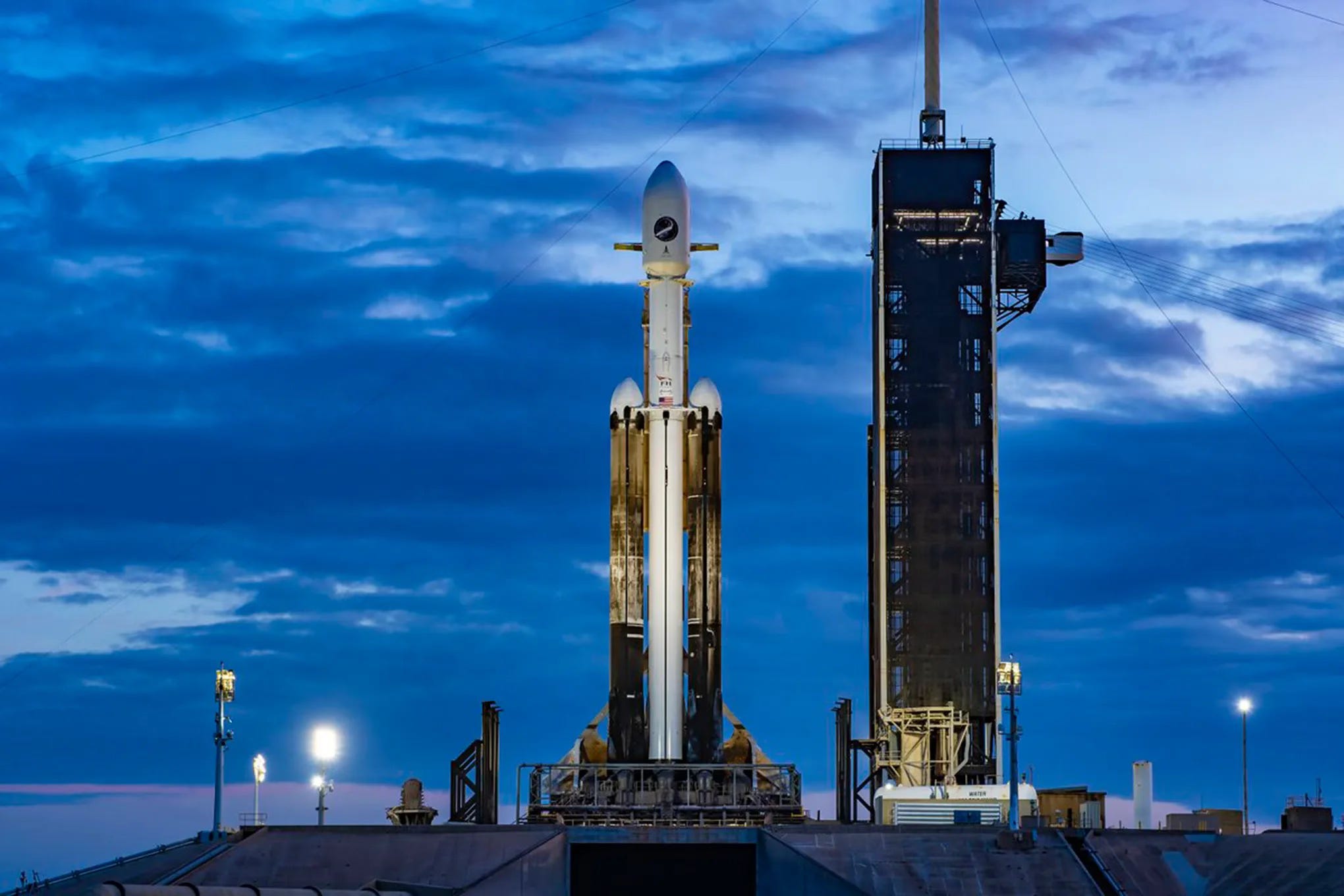
Musk also made the modern electric vehicle market viable. Electric cars existed before him, but he made them practical, gave them real range, and pushed hard on self-driving technology. He created the first truly reusable orbital rockets, slashing the cost of launching a ton of payload from around $50 million to less than $7 million. He built Starlink, which delivers high-speed internet from orbit. And xAI has become a powerful tool for engineers, writers, artists, and students.
It is easy to forget how difficult simple things once were. Twenty years ago, sending money to a friend or family member meant writing a check, withdrawing cash, or arranging a wire transfer. Today you can send money in seconds from your phone using PayPal, Venmo, Zelle, or similar services. Those tools now underpin entire industries such as Uber and countless small businesses.
Musk’s companies currently employ more than 160,000 people worldwide. These are real jobs that did not exist before he founded those companies. The median non-CEO salary across his enterprises is about $62,500 per year, plus benefits and stock options. That adds up to roughly $10 billion in annual wages for positions that simply would not be here without him.
And from what we can see, he is only getting started. Everything to this point has been preparation for turning SpaceX into a true interplanetary company.
Observations from the Late Republic
Examining the decline, the decay, and the quiet resistance in late-stage America.
#Observations #LateRepublic #ElonMusk
All Observations from the Late Republic posts