



The Roman Republic discovered that rapidly expanding the citizen body had painful consequences. America is discovering the same thing in real time.
In the first two parts of this series we examined a striking historical inversion. In the Late Roman Republic, it was the populares, reformers and populists, who pushed to expand the polity. In the American Late Republic, the dynamic has flipped: it is largely the administrative state, globalist institutions, and opponents of populism who are driving rapid demographic change.
The consequences of this transformation are now visible.
The Erosion of Social Trust
High-trust societies are rare and fragile. They depend on a critical mass of people who share a common culture, language, values, and expectations of behavior. When that foundation erodes, trust declines.
A high-trust society enables countless things we take for granted: low crime rates, honest business dealings with minimal contracts and lawyers, voluntary cooperation, open public spaces, strong civic participation, and the ability to disagree on policy without descending into tribal hostility. It allows people to leave their doors unlocked, children to play outside unsupervised, and strangers to help one another without suspicion. These are not small advantages. They are the quiet foundation of prosperity, liberty, and everyday human flourishing.
A single television commercial from 1976 captures how dramatically the shared American culture has shifted. During the nation’s Bicentennial, Coca-Cola, the quintessential American brand, aired an ad filled with sweeping shots of American landscapes, small towns, families, factories, farms, and people of different backgrounds and colors all united under a single, confident national identity. The message was clear and unapologetic: “This is America. We are one people, building something together.”
It is almost impossible to imagine a major corporation running such an ad today. That unselfconscious celebration of a unified American polity feels foreign to the current cultural moment. This is not a minor change in marketing. It reflects a deeper transformation in how we understand who “We the People” actually are.
Strain on Institutions
The practical burdens are mounting. American citizens continue to pay the overwhelming share of taxes and fund the systems that support rapid population growth through immigration. Schools, hospitals, housing, and infrastructure are under increasing pressure in many parts of the country. The welfare state, designed for a different America, faces rising demands.
At the same time, we see growing examples of differential enforcement of laws, sanctuary policies that create unequal application of justice, and declining legitimacy in core institutions. These are not abstract concerns. They are daily realities for many citizens.
The Crisis of Legitimacy
Perhaps most damaging is the growing sense among large portions of the historic American people that the system no longer truly represents them or requires their consent on the most fundamental questions — borders, culture, demographics, and national identity.
“This isn’t the country I grew up in” is not mere nostalgia. It is a statement about legitimacy. When citizens feel the polity they inherited is being fundamentally altered without their agreement, faith in the system inevitably declines. Polarization increases. Compromise becomes harder. The feedback loop of distrust and division accelerates.
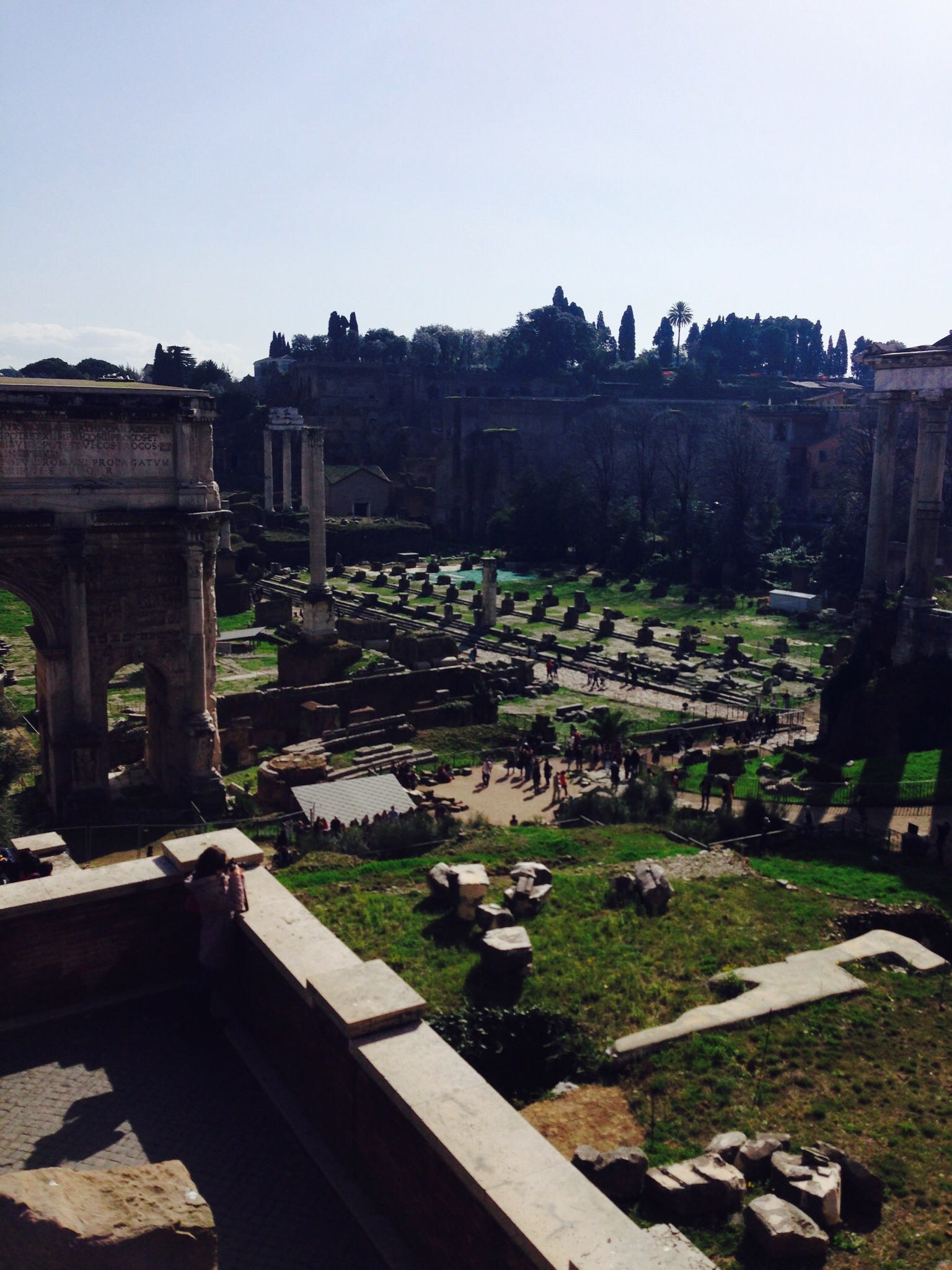
Rome faced a version of this same crisis. Once the citizen body no longer shared basic assumptions about what it meant to be Roman, the old republican institutions became nearly impossible to operate effectively. Factionalism won. Strongmen followed.
The Deeper Cultural Dimension
For the record, I am the direct product of relatively recent immigration. My English great-grandfather arrived in the United States around 1900 after time in Rhodesia and South Africa. My Hungarian grandparents came to America at the end of World War II. They changed their last name, learned English as fast as they could, and deliberately raised their children to be American — because they wanted to be American.
I am proud of those roots and grateful to be the beneficiary of what the Founders intended: a nation that takes in people from many backgrounds on the clear condition that they wish to fully join the American polity.
The distinction that matters is not between “immigrant” and “native.” It is between those who come to join America and those who come merely to inhabit its territory while maintaining parallel societies. Historical American immigration worked because it was paired with powerful expectations of assimilation. The modern experiment often rejects that expectation in favor of multiculturalism and demographic transformation as ends in themselves.
Rome learned that rapidly expanding the polity without maintaining a strong, shared culture led to fragmentation. We are testing whether America can avoid the same fate.
The Path Forward
The consequences of a rapidly changing polity are clear: declining trust, strained institutions, and a growing crisis of legitimacy. These are mechanical outcomes, not moral judgments.
The only remaining question is whether we still possess the will and wisdom to do what is necessary to maintain a coherent American polity capable of self-government.
That question will be the subject of the final piece in this series.
Observations from the Late Republic
Examining the decline, the decay, and the quiet resistance in late-stage America.
#Observations #LateRepublic #FourthBranch #AdministrativeState #CitizenSovereignty
All Observations from the Late Republic posts
You note the results of bad immigration policies.
The progressives see those as goals, not dangers.