


Post Update
Thanks to Instapundit for the link.
If you’re coming over from Instapundit, welcome!
This piece is part of my ongoing Modern Minuteman series, where I provide thoughts on what the Modern Minuteman is, how to equip yourself, and how to train and be prepared for the inevitable emergency in modern life.
If you enjoyed this one, you might also like:
The full series lives here: The Modern Minuteman
Having the concealed carry pistol, the medical kit, the gray man clothes, and all the right sundries is a place to start. It’s better than being completely unprepared. But it is only a starting line, not the finish line.
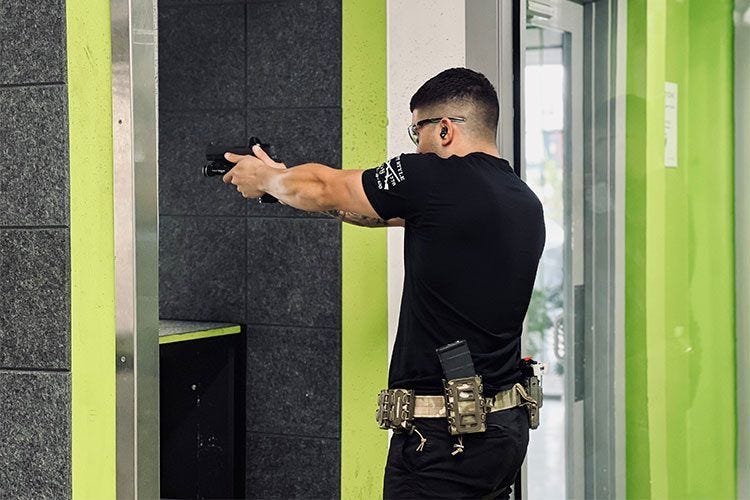
I can’t teach you everything you need in a single blog post. What I can do is clearly lay out what actually works, what matters most, and where you should focus your time and effort. The rest is up to you: seeking quality training, putting in the practice, and doing the internal work.
“Be polite, be professional, but have a plan to kill everybody you meet.”
— General James Mattis
He’s not saying kill everyone you meet. What General Mattis is saying is be prepared, be trained, and most of all have the right mindset.
Real capability comes from four things working together: consistent training, deliberate practice, realistic preparedness, and the right mindset. Of those four, mindset is the one that matters most when the moment actually arrives.
The Four Pillars
1. Consistent Training
This means taking formal classes. Get quality instruction in defensive handgun use, concealed carry, and first aid/trauma care (Stop the Bleed, TECC, or a solid civilian trauma course). Don’t just read books or watch videos; put yourself under competent instructors who will push you and correct your mistakes.
2. Deliberate Practice
Take the principles and fundamentals you learned in training and repeat them on a recurring basis. Dry fire. Draw from concealment. Run malfunction drills. Practice applying tourniquets and pressure dressings until the movements become automatic. This is the boring, unglamorous work that actually builds skill.
3. Realistic Preparedness
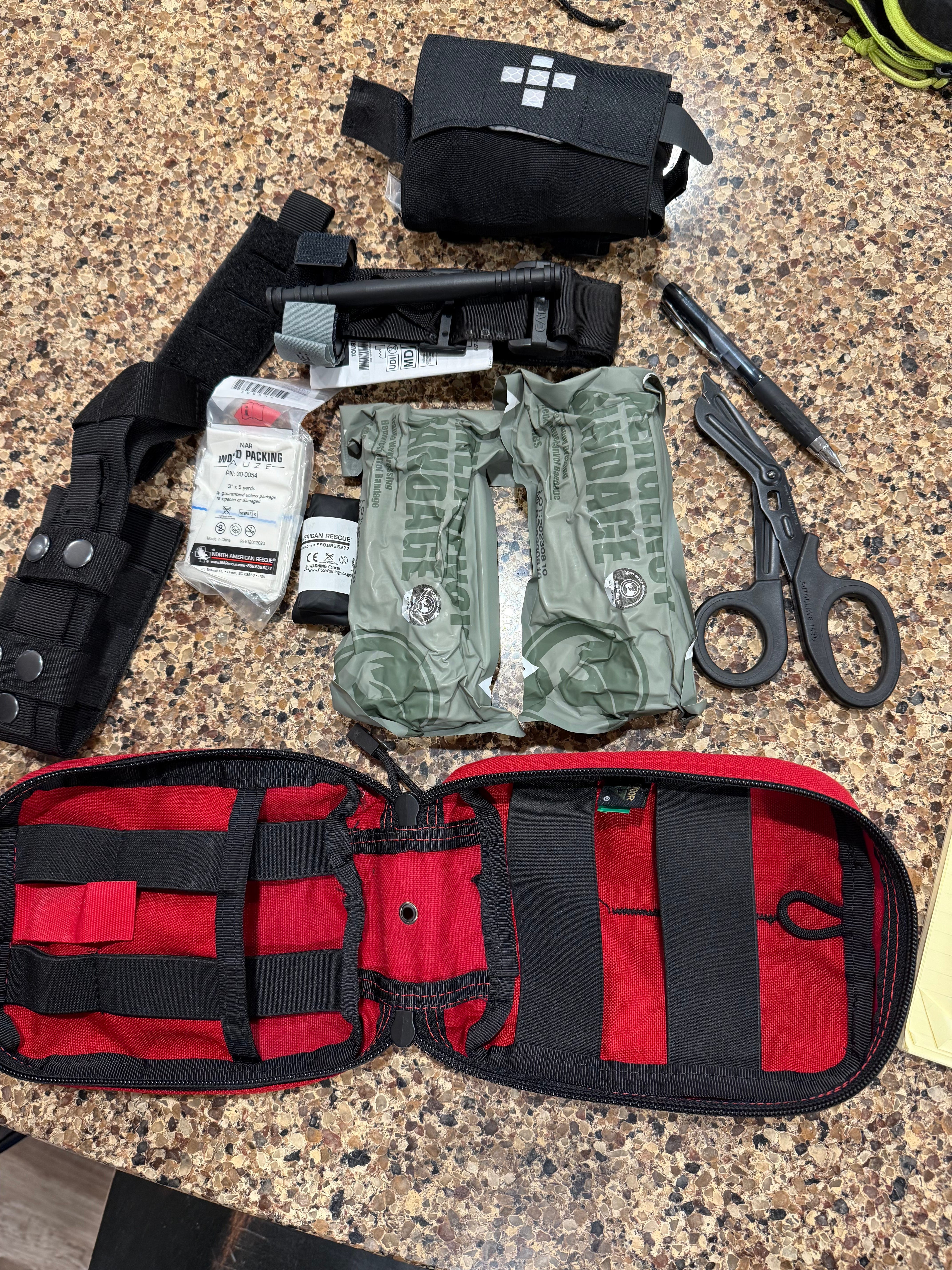
This is built with plans and setup, then implemented with consistency. Your medical kit is only useful if it’s actually on your body or in your vehicle and you can get to it fast. Your family needs to know the emergency plan. Your routes, loadout, and contingencies should be thought through and rehearsed.
4. Mindset — The Deciding Factor
Mindset ties everything together. It means internalizing the lessons from your training and practice, then deliberately teaching yourself to live in Jeff Cooper’s four levels of awareness (White, Yellow, Orange, Red) as your default way of moving through the world.
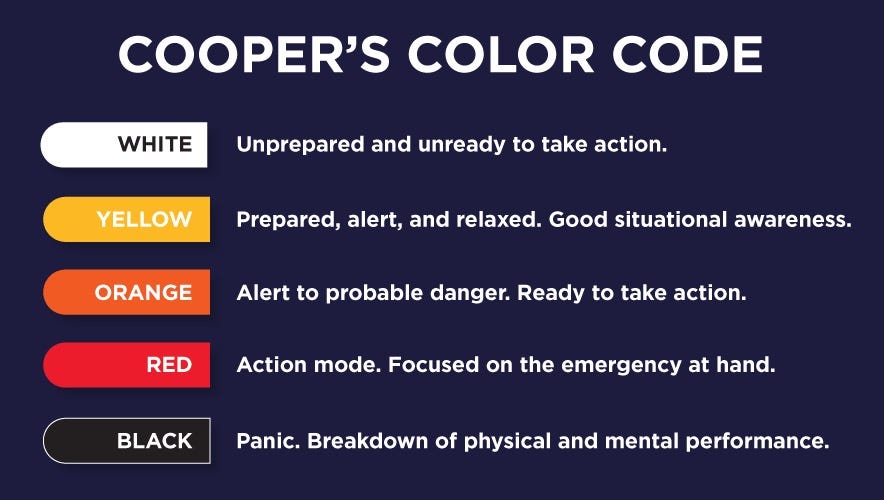
It’s deciding, long before anything happens, that you will act if forced to. It’s accepting the moral reality that you may have to use lethal force to protect innocent life. It’s refusing to lose your nerve when chaos erupts around you.
The Hard Truth
Most people who “have the gear” will still freeze or hesitate when it counts, because they never moved past the fun part of buying equipment.
Soldiers train and practice far more often than most civilians, and yet some of them still hesitate or freeze, especially the first time they’re in a true tactical situation. At the same time, many civilians with little to no formal training or practice have responded like operators when the moment demanded it.
This proves the point: Mindset is the ultimate multiplier. Gear helps. Training and practice sharpen the tool. But mindset determines whether you actually use the tool when everything is on the line.
The Modern Minuteman isn’t the guy with the best rig at the range.
He’s the guy who has taken real training, practices regularly, maintains realistic preparedness, and has done the internal work to develop the right mindset.
Gear is easy to buy.
Everything that actually matters takes real effort.
Start there.
Modern Minuteman
Practical preparedness for everyday citizens.
Low-profile. Reliable. Quiet competence.
#Minuteman #EDC #Training #Preparedness #Mindset #Foundations
That is not Cooper's Code. He objected to people screwing with it by adding another level. He also objected to morphing it into a lesson on situation awareness. In his formulation, it was mental preparation to commit defensive violence.