


We’ve been panicking about new writing tools for 2,400 years. Socrates started it. AI is just the latest excuse.
I recently ran an experiment. I took something I wrote several years ago, before Generative AI was used broadly. In fact LLMs were being trained at the time. It’s a straightforward, practical piece about a major storm hitting Western Washington. I fed it into several popular AI detectors.
The results? 65% to 85% “AI-generated.” And the irony is thick enough to choke on.
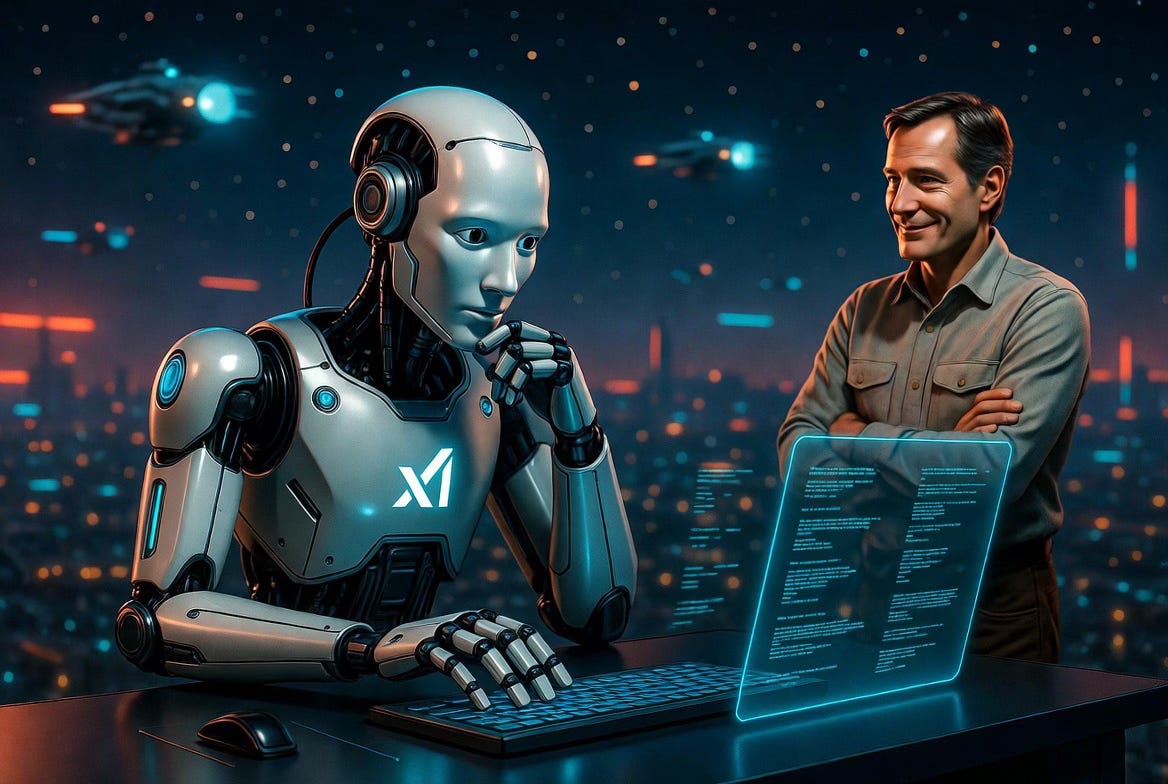
It is entirely possible, in fact, extremely likely, that this very piece (and all the others I’ve published over the years) was scraped from the internet and used as training data for the large language models now being accused of producing it. My own pre-AI human writing is probably helping the machines sound more like me, only to be flagged years later as suspiciously AI-like.
This panic and response to knowledge technology isn’t new. Not even close.
In Plato’s Phaedrus, Socrates launches a passionate attack on the new technology of his day: writing.
What’s remarkable is not just that the fears are the same, it’s how consistently humans repeat the exact same pattern with every new tool for recording and spreading ideas.
The Luddite Fear: “The old tool is just fine”
The Luddite fear is rarely just “new thing bad.” It’s almost always:
“The current tool we have is perfectly fine, in fact, it’s superior. This new tool is dangerous and inferior.” In the 19th century just such arguments were made about the mechanization of writing by the typewriter.
And you can see that same argument was made against the tool they’re now defending the last time around.
I’m old enough to have watched this cycle a couple times. I came into the world as computers and word processors were replacing the typewriter.
I saw the typewriter→computer→internet cycles and I’m watching the latest. Typewriters were just fine and word processors were automating the act of writing. Word processors were just fine until the internet and blogging. The internet and blogging were just fine until AI.
The Professional Panic: Socrates’ Real Fear
When Socrates attacked writing, he was defending something he saw as sacred: the living, breathing practice of philosophy through face-to-face dialectic. He feared writing would destroy the rigorous oral tradition and replace it with something dead and static.
This is the exact same fear we see repeated with every new writing technology. Scribes feared the printing press. Typesetters feared desktop publishing. Journalists feared blogs. Writers today fear AI.
The people closest to the old way of doing things are usually the first, and loudest, to see the threat. And the threat is to their profession. Technology is, absolutely, a labor replacement. But do you think the world would be better off if it took an army of scribes to update the accounting books of a business rather than one person with a computer and internet based tools like QuickBooks?
The Gatekeeper Fear: “This Will Destroy Quality and Standards”
The third recurring panic is the most elitist: the deep anxiety that the new technology will cheapen knowledge, destroy excellence, and let the unworthy masses produce (and consume) intellectual garbage. And the gatekeeper will no longer be the gatekeeper. That is the deep down fear, of course.
Socrates warned that writing would create people who possessed “the appearance of wisdom without the reality.”
This same fear has repeated for centuries:
The printing press horrified the clergy because suddenly any literate person could read the Bible themselves, without the Church as gatekeeper.
Cheap paperbacks and pulp magazines were denounced as vulgar trash.
The internet and blogs triggered contempt about “unbathed bloggers in their parents’ basements, writing in pajamas with no editor.” The backlash was so strong that one company proudly named itself Pajamas Media, now PJMedia.
Today we hear the same arguments about AI: “Anyone can have AI write a book now,” “It will destroy literature,” “We’re replacing real authors with soulless spam.”
The underlying belief is almost always the same: If the tools become too accessible, the wrong people will flood the field and true excellence will be lost.
Conclusion
Technology has consistently improved our ability to create and communicate. And humans have consistently feared what it might bring. I’m sure some caveman a million years ago was opposed to fire for the same reasons Socrates was opposed to writing. There is always a fear of the new. As one wag says, “humans are most conservative about what they know best.”
Every single time humanity has developed a better way to capture, preserve, and spread knowledge, a vocal group has warned that it would lead to intellectual collapse. And every single time, they have been wrong about the long-term outcome.
Writing didn’t destroy wisdom. It spread it far beyond Athens and helped contribute to Rome, one of the greatest civilizations to ever exist. The printing press didn’t end scholarship. It ignited the Renaissance and the Enlightenment, directly contributing to America. The internet didn’t kill journalism or literature, it created new forms and vastly expanded who could participate. We really have no idea how much that will change the world.
AI will be no different.
It will disrupt. It will devalue some old skills. It will create new problems. But it will also dramatically expand humanity’s ability to create, explore, and share ideas. It will drive the current democratization even further than today.
The real question isn’t whether these new tools will change things. They always do. The real question is will we get good at wielding the new tools while keeping our own voice, judgment, and standards intact.
Light a cigar. Relax. The machines aren’t coming for your soul.
They’re just the latest chapter in a very old story.
And the story keeps going.
#AI #Socrates #LudditeFears #Gatekeeping #Typewriter #GutenbergBible #wordprocessor
Thank you for a clear, cogent discussion of a subject many are disturbed/afraid of.
I have long said that the record companies feared cassettes/DAT/CD burners/peer-to-peer not so much for people copying records, but people recording and distributing their own recordings without their involvement.