

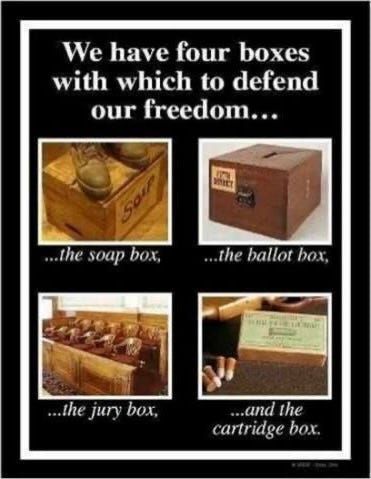
Frederick Douglass taught that a free republic rests on four essential boxes: the soap box (free speech), the ballot box (voting), the jury box (fair trial), and the cartridge box (the right to keep and bear arms).
The Founders wrote three of them into the Bill of Rights. After the Civil War, the generation that fought to end the ultimate denial of rights — the enslavement of millions of human beings who were stripped of all four boxes and every other protection the Constitution was meant to provide — added the ballot box through the 13th, 14th, and 15th Amendments.
We should jealously guard all four.
Yet today we treat them with glaring inconsistency.
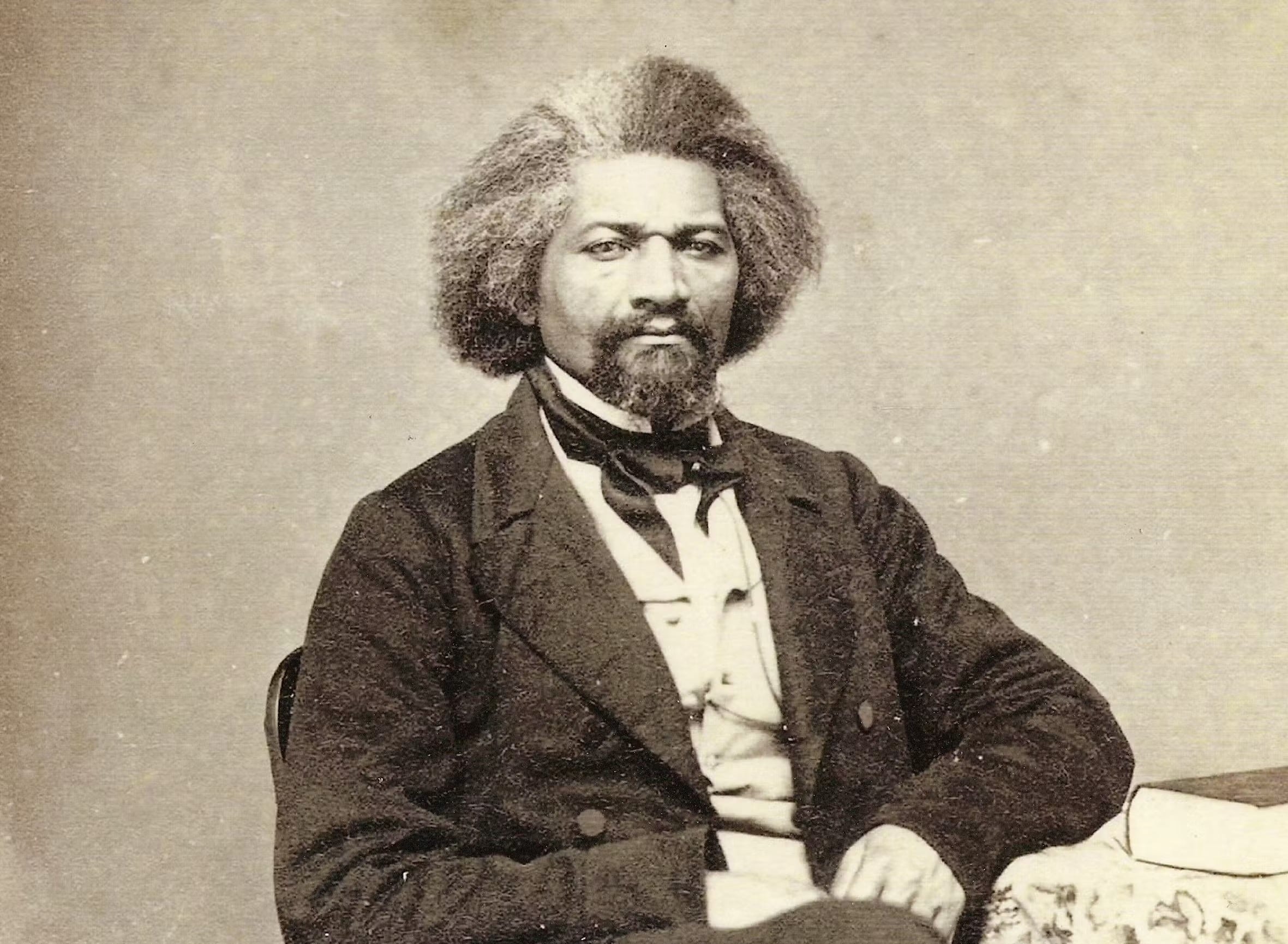
The cartridge box (2nd Amendment) receives serious upfront controls: background checks, ID at purchase, and routine ATF audits of gun dealers — many unannounced.
The jury box demands strict eligibility screening and oaths.
The soap box is bounded by laws against libel and incitement.
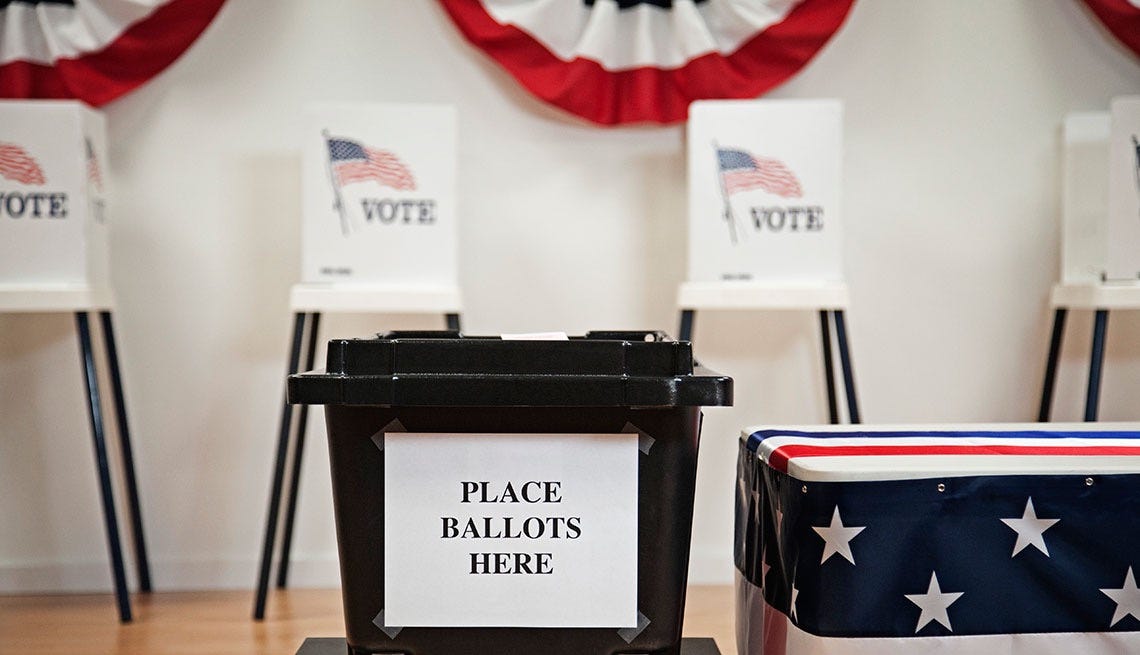
But the ballot box — the most powerful in the long term because it decides who controls the government and every other right — remains the weakest in practice.
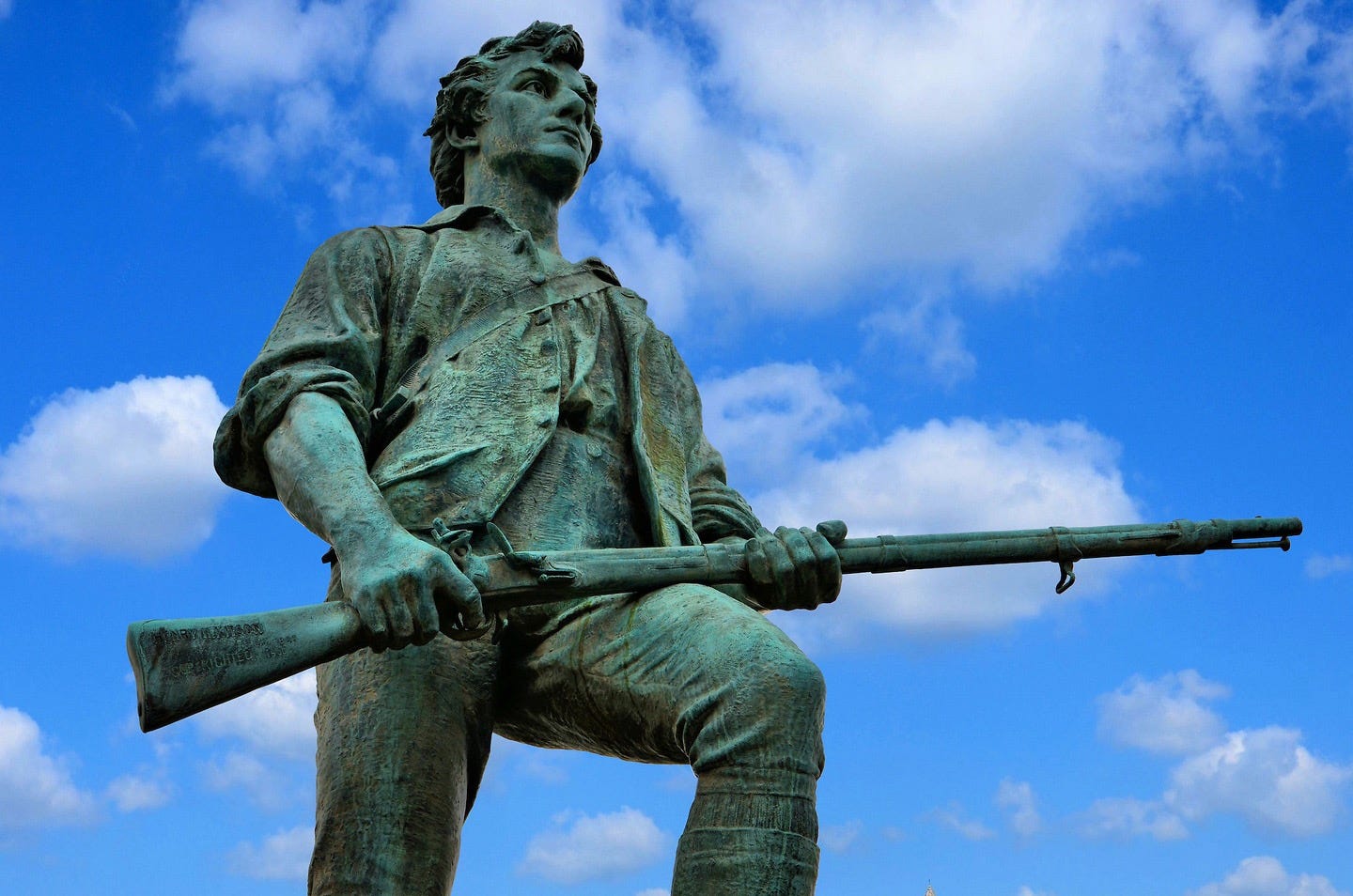
In too many states, registering to vote still relies heavily on self-attestation: simply checking a box that says “I am a U.S. citizen,” with no routine requirement to show documentary proof of citizenship. Ballots are mailed out based on those registrations, often with only signature verification as the safeguard. Independent audits of the voter rolls are rare and frequently resisted.
This is exactly backwards.
The ballot box is not just another right. It is the peaceful mechanism that peacefully transfers or consolidates enormous power over decades. One compromised or distrusted election cycle can reshape the entire republic far more enduringly than almost anything else.
The result is now clear and dangerous: roughly 100 million armed American adults, along with tens of millions more, have growing doubts about the integrity of the ballot box. They see self-attestation, bloated inactive rolls, easy automatic registration, and resistance to transparent audits — and they conclude the system is vulnerable to fake registrations and undetected fraud.
That is no longer a minor policy dispute. It is a massive social legitimacy crisis.
Douglass understood the risk. If the people lose confidence in the ballot box, the cartridge box inevitably begins to look more relevant to more people.
We do not audit banks, stores, or Federal Firearms Licensees because we assume everyone is dishonest. We audit them because high-stakes systems require independent oversight to maintain trust.
The solution is straightforward and consistent:
Require documentary proof of citizenship (or mandatory SAVE/REAL ID verification) to register.
Require photo ID to cast a ballot (with free IDs for those who need them).
Mandate routine, independent, adversarial audits of the voter rolls.
Let the legitimate chips fall where they may — regardless of which party benefits or loses.
The ballot box is tactically the weakest today, but strategically the most powerful of Douglass’s four boxes. A free republic that fails to guard its most consequential lever with the same vigilance it gives the others is playing a dangerous game with its own future.
We must do better. The Founders and Douglass demanded nothing less.
Fear is absent.
Douglass talked about 3 boxes. The soap box was added later.