


Some of the recent noise around the USS Abraham Lincoln’s long deployment feels familiar. A career soldier’s perspective.
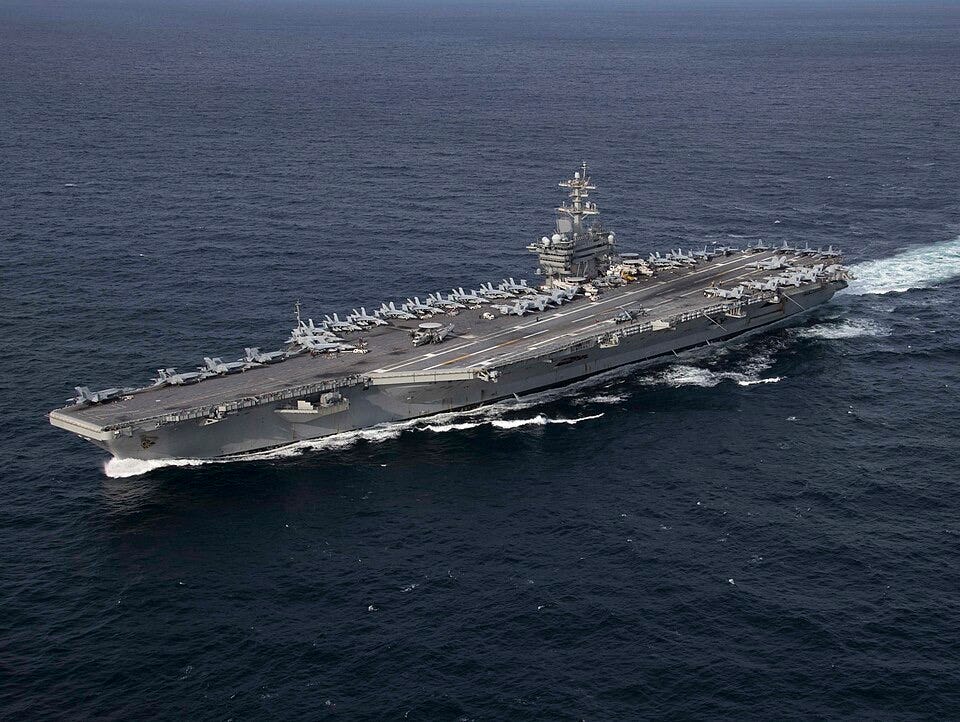
There’s been a fair amount of public drama lately about the USS Abraham Lincoln’s extended deployment in the Middle East. Families have spoken to the press about difficult conditions on board, shortages, mental health stress, and the sheer length of time at sea without a port call. The Navy and civilian leadership have pushed back, saying some of the reporting has been overstated or misrepresented.
Beege Welborn at Hot Air wrote a clear-eyed piece on the subject that is worth reading:
The Disconnect Between Some Military Families and Their Service Member’s Actual Job Is Stunning
Go read the whole thing. Meanwhile, some of my own thoughts on the topic of the military, deployments, war …. and families complaining.
I spent a career in the Army, including going on alert on August 2, 1990, when Iraq invaded Kuwait. A few observations from that experience and the years that followed.
First, the variation among military families is enormous. In my battalion at Fort Stewart we had a staff sergeant I’ll call Schmoe. He was married with six kids. His wife had no access to the checking account, did not drive, and lived in NCO housing on post. When we deployed in peacetime it was usually only for a few weeks, and Schmoe would leave her with enough cash and food for the duration. During one Emergency Deployment Readiness Exercise we discovered just how unprepared the family was. The company wives’ organization ended up helping get Mrs. Schmoe a driver’s license, a general power of attorney, and access to the bank account. This was 1990. The man was from the old mountains of West Virginia, and both he and his wife expected the arrangement to work that way. Not every family was like that, of course, but the range of readiness and independence among spouses was always wider than outsiders assume.
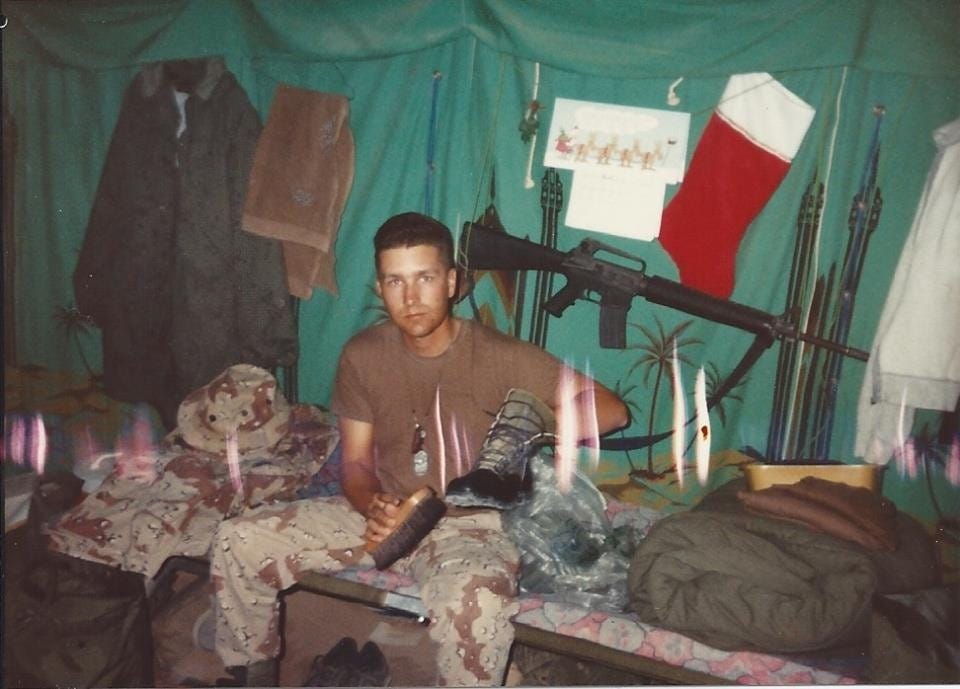
Second, spouses and parents complaining about the hardships of deployment is nothing new. It was common throughout my career. Some of them learned how to contact their congressman. These days they post it on social media, which reaches farther and faster. The dynamic itself has not changed. Service members deploy. Conditions are often hard. Families feel the absence and the uncertainty. Some handle it with quiet competence. Others do not.
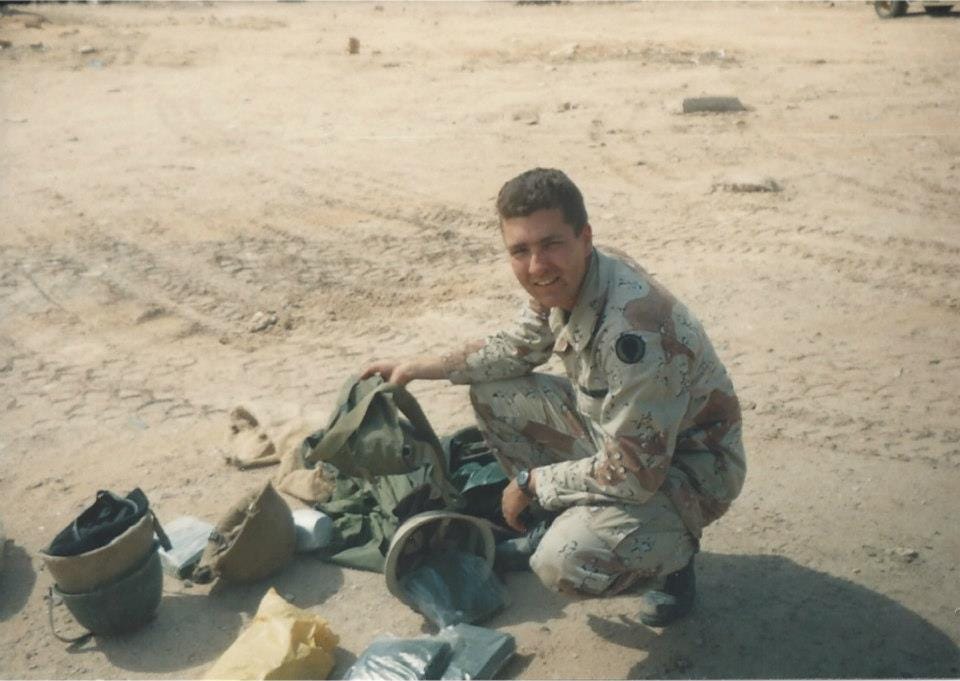
Third, perspective is everything. During Desert Shield, Stars and Stripes ran a story about the “horrors” of life on one of the carriers. The Coca-Cola plant in the region was still using the old pull-tab cans. After too many tabs turned up as foreign object debris on the elevators and flight deck, the captain banned soda on the ship. I was a tanker with 24th Infantry Division out in the desert trying to keep our water below 100 degrees Fahrenheit. You can imagine the level of sympathy and mockery that story received in our battalion.
Deployments have always been hard. Some are longer and more austere than others. Going to Fort Irwin in the Mojave Desert, the infamous National Training Center, for four weeks was tough. And then there is war. Desert Shield was open-ended and extremely austere. My family didn’t get a letter from me for weeks. It was a couple of months before phone banks were set up and we got a chance to call home for a very limited ten minutes.
And then there is War. During Desert Storm, our families quite literally did not hear from us from January 16, 1991 to early March of 1991. The Lincoln’s stretch has clearly been demanding. And frankly, they are at war, not on a peacetime cruise. The gap between what some families expect and what the job actually requires is not new. It is an old, recurring tension in military life.
Family, I gotta tell you, there is no good coming out of what you are doing. You help our enemies and hurt our friends. And I sincerely hope that is not your goal, so rethink your actions and your drama.
If you poke around the internet enough you see that a lot of these statements come with the qualifiers "longest deployment since the Vietnam war". Or post WW II. I believe the longest deployment was in WW II of the Hornet. There were "landfalls" but from the Continental US to the Continental US was close to 500 days. And no internet or cell phones in those days.
13 months of C-Rats in the 'Nam 67-68. Showers sometimes. Hot water rarely. Wanted to get there until I got there, but never wrote home how bad the suck actually sucked because it was our job, we volunteered (the Corps was still volunteer when I enlisted) and looking back it was what it was. War.
What with a father and a couple of uncles who had a real long vacation in Europe in the '40s, the return letters wouldn't have been pretty. I'm sure the greatest generation knew the suck sucked, and chose not to complain. Seems like another piece of evidence that some people will blame everyone else for the results of their own decisions.