


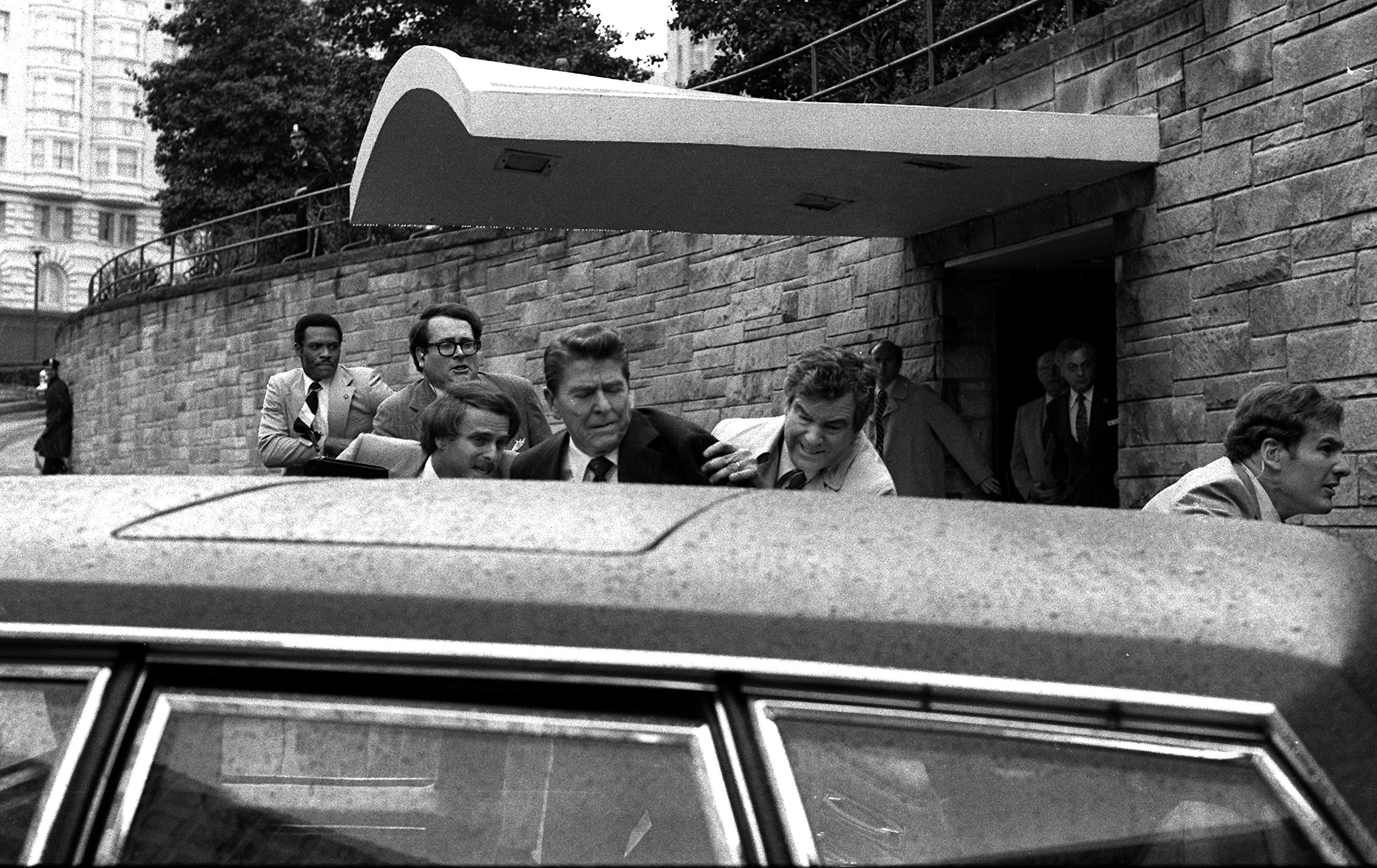
I was born in the 1960’s, before Robert F. Kennedy was assassinated in 1968, and grew up during a time of significant political violence in America. I was nine years old and living near Sacramento when Lynette “Squeaky” Fromme pointed a gun at President Gerald Ford in 1975. The attempt happened in a place I knew well, and it left a lasting mark. Six years later, as a high school student, I watched the country come to a halt after John Hinckley Jr. shot President Ronald Reagan. Teachers wheeled TVs into classrooms, and we followed the news all day. Those years were also marked by well over 700 recorded left-wing terrorist incidents in the 1970s according to FBI and Global Terrorism Database records.
These events were not abstract history in a book — they were personal and left a deep and lasting impact. Living through that era of turbulence sparked in me a deeper, ongoing interest in the patterns of political violence and, specifically, assassination attempts on American presidents and presidential candidates.
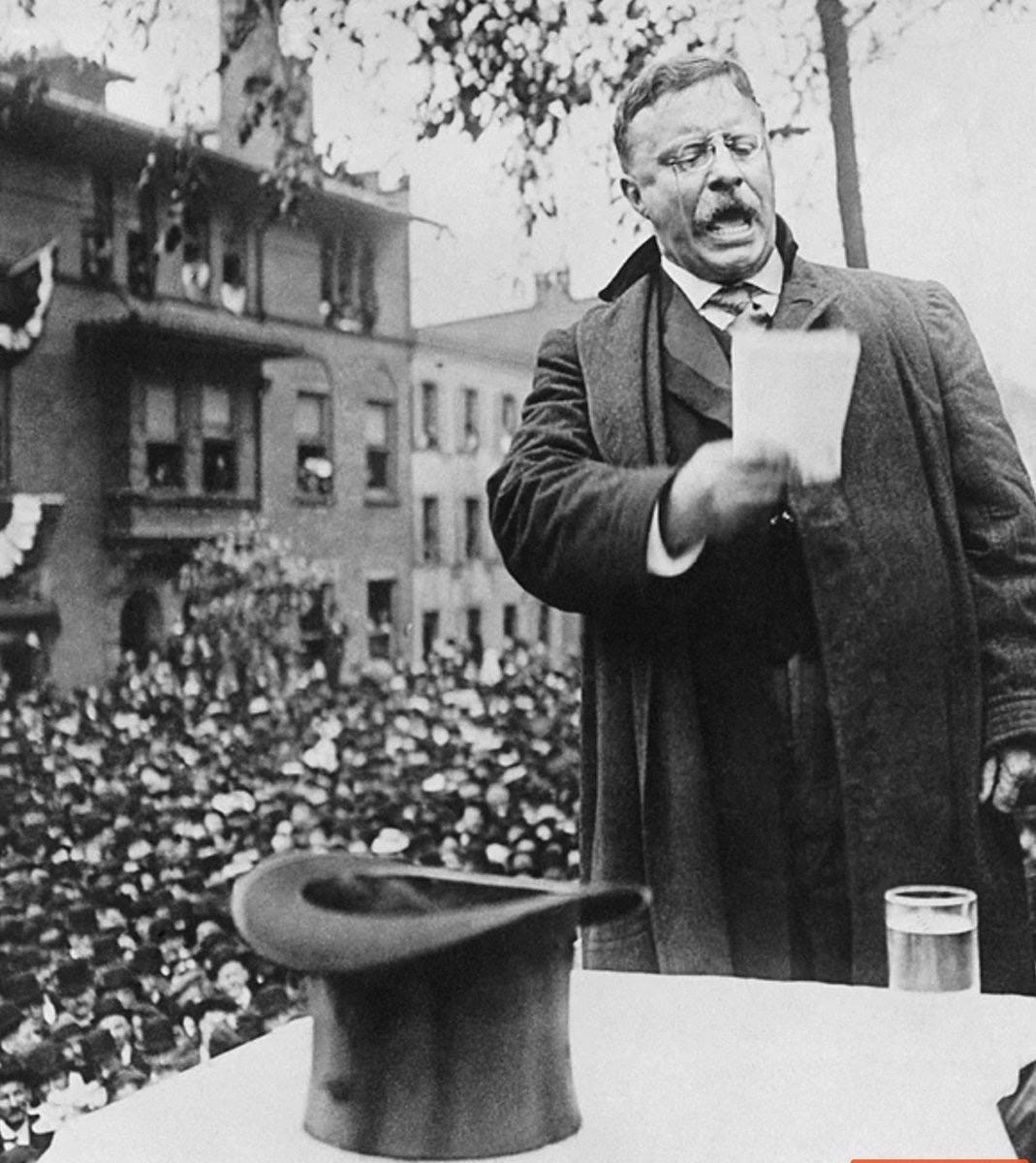
Since roughly 1900, when modern ideological categories (left/right) became more applicable in American politics, a clear pattern emerges in assassination attempts on presidents and major presidential candidates. Among the documented cases, a significant majority trace to left-wing, anarchist, Marxist, or radical left motivations — or were shaped by left-dominant cultural environments. Notably, there are no clear examples driven by modern right-wing ideology.
Note: Bush attempt is by a foreign national (outside U.S. political context). Recent 2026 WHCD (Cole Allen) event too fresh for this sort of analysis (look to political opinion coverage for that).
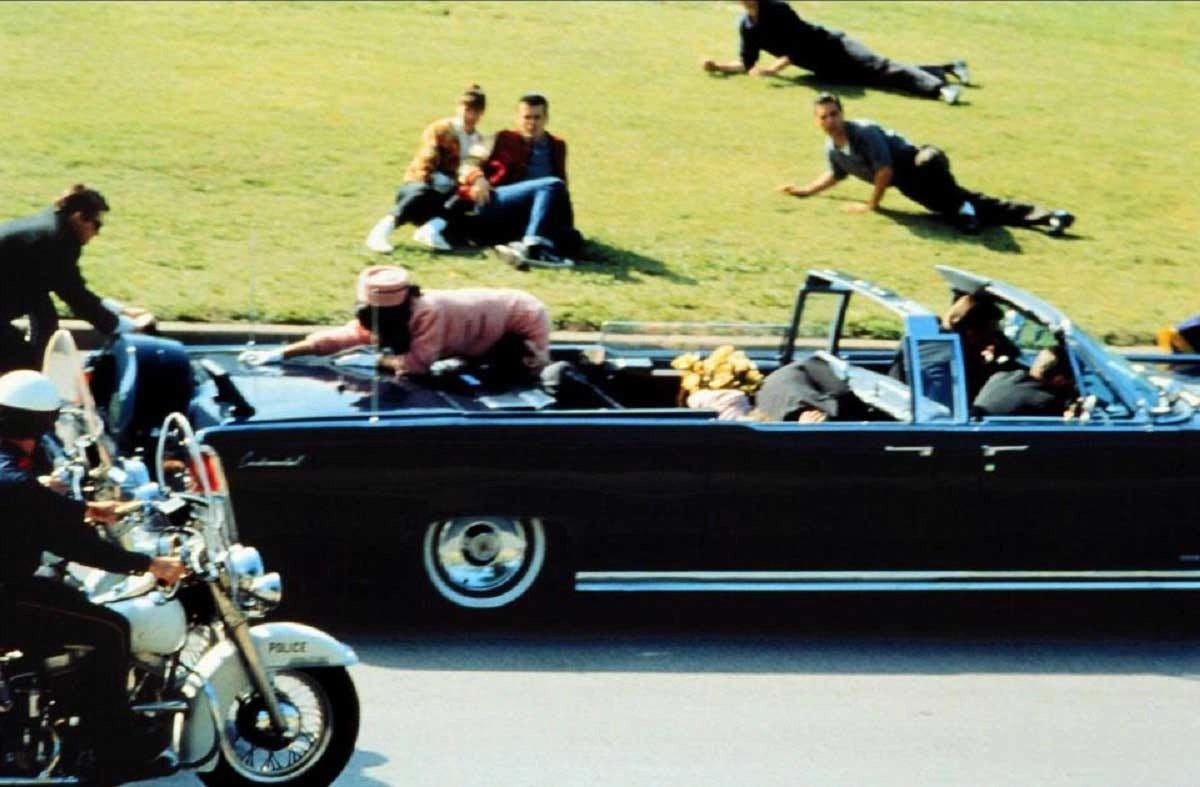
Analysis of the Pattern
The ideological cases are striking. Leon Czolgosz (McKinley, 1901) and Giuseppe Zangara (FDR attempt, 1933) were explicit anarchists. Lee Harvey Oswald (JFK, 1963) was a committed Marxist who had defected to the Soviet Union. The 1975 attempts on Ford came from counterculture radical Fromme and self-described left-wing revolutionary Sara Jane Moore. Ryan Routh (Trump, 2024), convicted and sentenced to life in prison in 2026, had a record of anti-Trump activism and support for Democratic causes.
Robert F. Kennedy’s 1968 assassination by Sirhan Sirhan fits contextually as well. Sirhan acted over RFK’s strong pro-Israel stance, a grievance already being framed through Soviet-backed anti-Zionist and anti-imperialist lenses on the radical left. In the decades since, anti-Zionism and strong pro-Palestinian positions have become even more central to significant parts of the American left.
Even some non-ideological cases show cultural influence from left-leaning spaces. John Hinckley Jr.’s obsession with Jodie Foster and the countercultural film Taxi Driver emerged from liberal Hollywood — not a political manifesto, but a reminder of how dominant cultural environments can shape unstable minds.
The clearest exceptions are mental illness cases like John Schrank (TR, 1912) and Arthur Bremer (Wallace, 1972), driven by delusions or fame-seeking rather than coherent politics. Thomas Matthew Crooks (Trump, 2024) also appears primarily motivated by mental health struggles and notoriety amid a highly polarized media climate, though full motives remain debated. The 2005 Bush attempt was carried out by a foreign national with no roots in U.S. domestic political debates.
Note on recent events: A shooting incident involving suspect Cole Tomas Allen occurred at the White House Correspondents’ Dinner on April 25, 2026. This event is far too recent for inclusion in any serious historical or ideological analysis here. It is mentioned only to acknowledge that political violence remains a live issue.
Conclusion
This post-1900 record does not mean every disturbed individual is politically motivated, nor does it excuse mental health failures or security lapses. But it does reveal an asymmetry: ideologically driven attacks on American presidents and candidates have overwhelmingly come from the radical left or been filtered through left-coded cultural influences. Acknowledging this pattern honestly, without dismissing the role of mental illness, is essential for understanding political violence in modern America — and for lowering the temperature in our bitterly divided times.
Don't you know, disagreeing with them is violence, so it's all justified. Check out the comment section at JOJO's https://jojofromjerz.substack.com/
eye opening
I don't think we have a clue about mental illness vs ideology regarding Crooks. I will note that many people, including Donald Trump thought that Charlie Kirk was a future President.