


Most modern Americans, when they encounter the phrase “a well regulated Militia” in the Second Amendment, immediately mistranslate it. They hear “well-managed militia” — a force under tight government control, heavily regulated by law, and subject to whatever restrictions legislators or judges decide to impose.
This reading is not merely mistaken. It is the precise opposite of what the Founders intended.
The Founders were Enlightenment philosophers who believed in rights that antedate culture, society, and government. The Second Amendment is not a casual provision or a narrow hunting right. It is a structural safeguard of liberty. It protects a right and creates a responsibility: the individual right of the people to keep and bear arms, and the collective responsibility of a free people to remain armed, trained, and prepared to defend their liberty against both external enemies and internal tyranny.
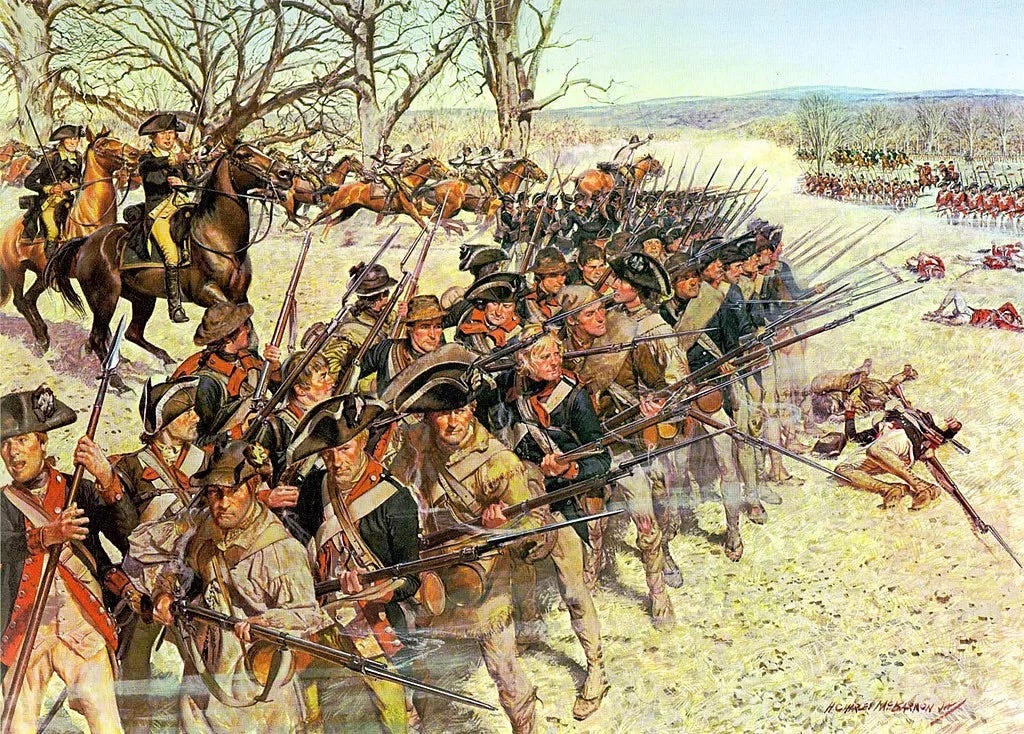
To recover the original meaning, we must examine three foundational elements. First, how the Constitution and Congress defined who belongs to the militia and how that definition changed over time. Second, the practical implementation of that idea in the Militia Act of 1792. And third, the Supreme Court’s restoration of the Amendment’s true public meaning.
Only then can we understand why the Founders believed an armed and self-reliant citizenry was necessary to the security of a free State. And only then can we see why abandoning that principle endangers the republic they created.
The Militia Defined
The Founders defined the militia in clear and simple terms. The Militia Act of 1792 declared that the militia consisted of able-bodied white males between the ages of 18 and 45.
Over time, the Constitution itself dramatically expanded that definition. The 13th Amendment ended slavery. The 14th Amendment guaranteed equal protection under the law. The 15th Amendment prohibited racial discrimination in voting. The 19th Amendment recognized women as full citizens. And the 26th Amendment lowered the voting age to 18. These amendments collectively transformed the militia from a narrow body of white males into all able-bodied adult citizens.
Modern military recruiting standards and the Uniform Code of Military Justice (UCMJ) give us a practical benchmark for what “able-bodied” means today. However, the Founders would have found it abhorrent to deny any citizen the right to keep and bear arms simply because they do not meet the standards of formal government military service. These standards help define who forms the core of the militia — they do not limit the fundamental right of any citizen to bear arms.
The Militia Act of 1792 as Foundational
The Founders did not need a long essay to explain the militia. They considered the concept so obvious that the Militia Act of 1792 defined it in just a few clear sentences: the militia consisted of able-bodied white males between the ages of 18 and 45.
This brevity reveals something important. In Article I, Section 8, Clause 18 — the Necessary and Proper Clause — the Constitution grants Congress the power “to make all Laws which shall be necessary and proper for carrying into Execution the foregoing Powers, and all other Powers vested by this Constitution in the Government of the United States.” The two Militia Acts of 1792 were Congress exercising exactly that power. They were not about restricting the people’s right to arms. They were about making the armed citizenry effective — organizing it, setting standards for equipment and training, and ensuring it could actually serve as a check on government power. The armed citizenry was the militia itself.
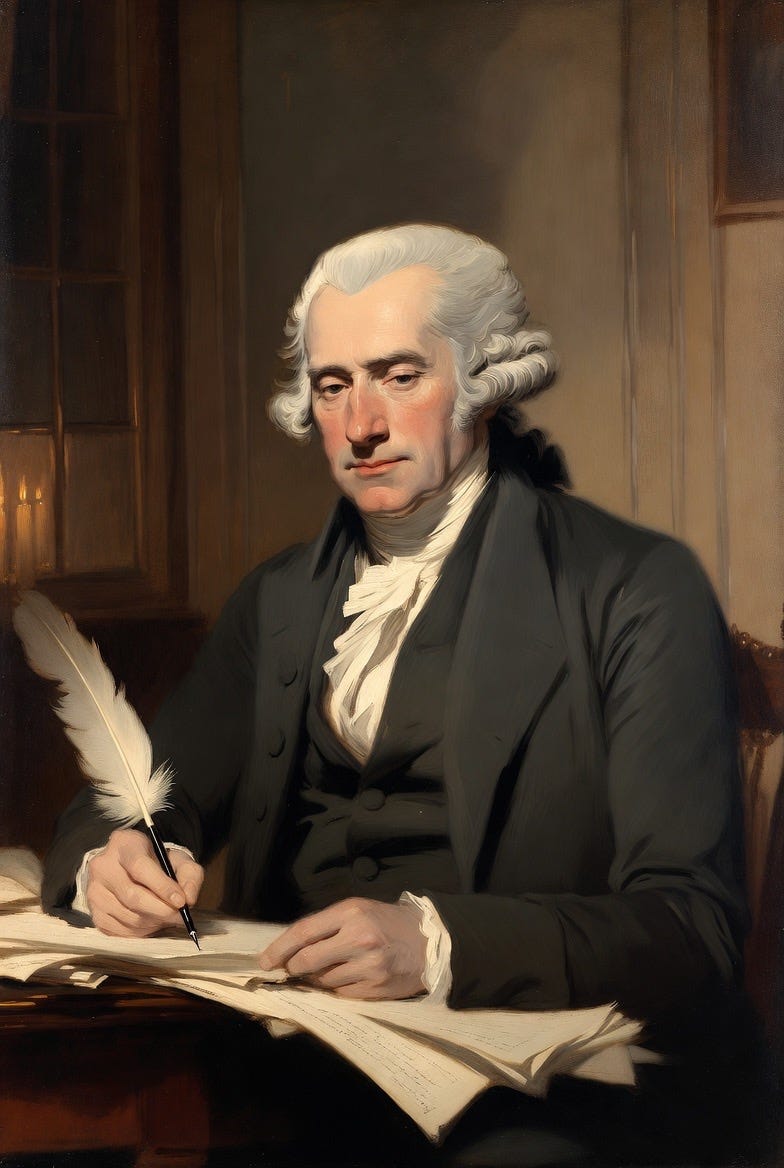
In Federalist No. 46, Madison made his view unmistakable. He pointed to the English experience during the Civil Wars of the 1600s, where governments repeatedly disarmed or neutralized the citizen militias, leaving the people dependent on a professional standing army. To Madison, a virtuous and educated citizenry that no longer saw itself as the militia represented a form of civic degeneration. He would be spitting in disgust at much of modern America.
The Founders’ logic was blunt and inescapable. The Second Amendment declares that a well regulated militia is “necessary to the security of a free State.” Therefore, if the citizens do not keep and bear arms and do not form the militia, then — by the Founders’ own explicit reasoning — it is no longer a free state.
Supreme Court Restoration of Original Meaning
From 1792 until the Supreme Court’s decision in United States v. Miller (1939), courts and legal scholars uniformly understood the Second Amendment as a primary, fundamental right. That consensus held for nearly 150 years.
After Miller, the Supreme Court went silent on the Second Amendment for nearly seventy years. During that same period, the Court repeatedly heard and decided cases involving every other major provision of the Bill of Rights: free speech, freedom of religion, assembly, search and seizure, self-incrimination, and due process. Those rights were actively tested, refined, and vigorously protected.
The Second Amendment alone received no such attention. This prolonged silence gave lower courts free rein. They invented balancing tests and interest-weighing frameworks that treated the right to keep and bear arms as a second-class right — one that could be restricted whenever a judge decided some government interest “outweighed” it.
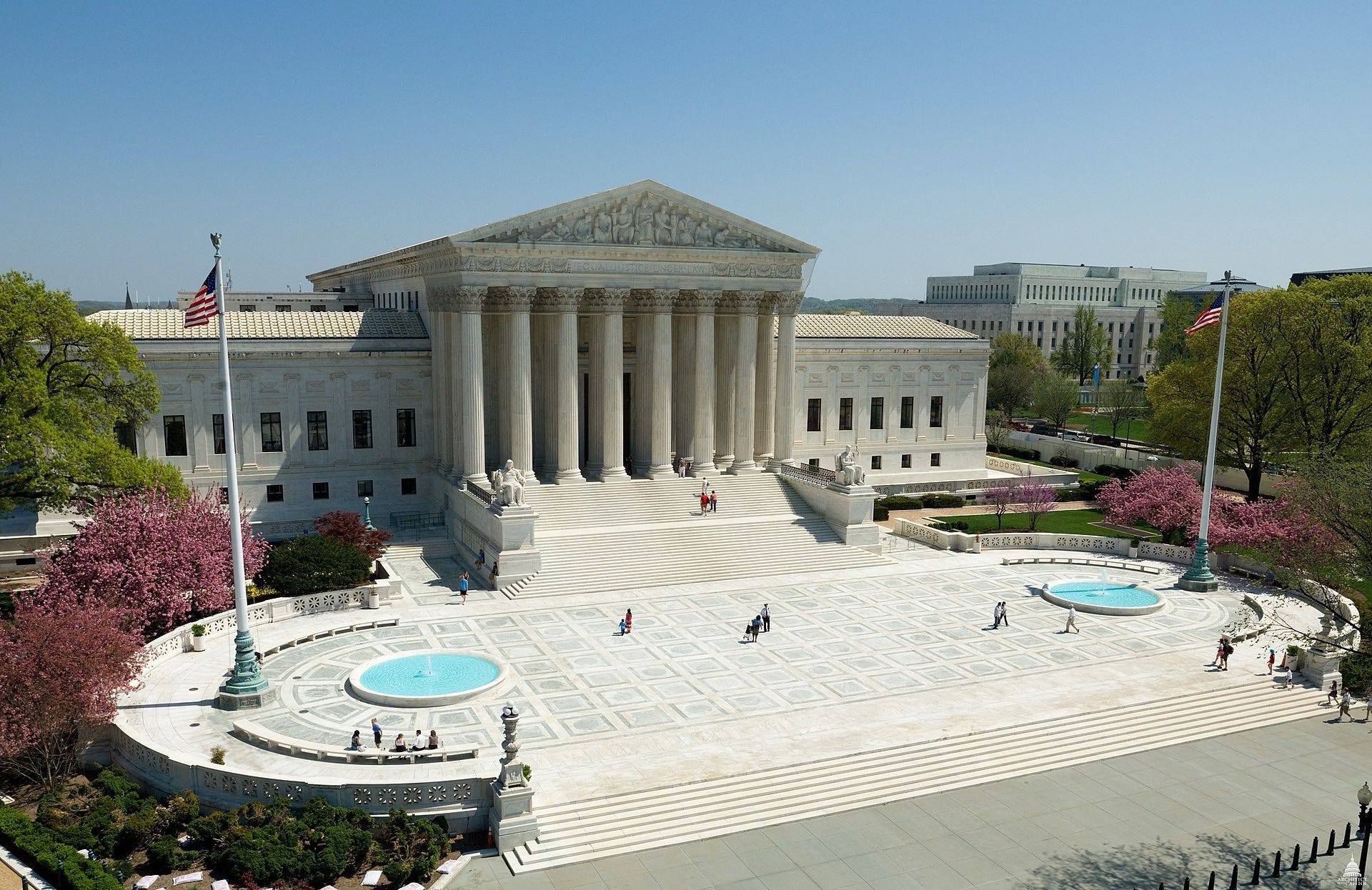
The Supreme Court finally corrected this distortion. In District of Columbia v. Heller (2008), the Court held that the Second Amendment protects an individual right to keep and bear arms, independent of military service, whether in the Federal Army, State National Guards, or a citizen Militia. In McDonald v. Chicago (2010), it extended that protection against state and local governments. Then, in New York State Rifle & Pistol Association v. Bruen (2022), the Court delivered the decisive blow. It explicitly rejected the balancing-test approach and ruled that the government must justify any restriction by showing it is consistent with the nation’s historical tradition of firearm regulation.
Bruen restored the original public meaning. “Well-regulated” never meant subject to heavy bureaucratic control. It meant well-equipped, well-trained, and in good working order. The militia is the armed citizenry itself — not a government-managed auxiliary. It exists as the ultimate structural check on government power, the practical embodiment of the Fourth Branch.
Conclusion
The Second Amendment protects a right and creates a responsibility. It protects the individual right of the people to keep and bear arms, and it imposes on a free people the collective responsibility to remain armed, trained, and ready to defend their liberty.
The Founders designed this provision as a structural safeguard. They understood that no free state can long survive if its citizens surrender their arms and their role as the militia to a professional standing army and a permanent administrative class. Government has an ancillary role in national defense, but it cannot perform this core responsibility for the people. We must do it for ourselves. As the Founders made explicit in the text of the Amendment itself, a well regulated militia is “necessary to the security of a free State.” The corollary is equally clear: when the citizenry ceases to keep and bear arms and ceases to function as the militia, the state is no longer truly free.
For too long, lower courts undermined this foundational principle. The Supreme Court has now restored the original meaning. Heller, McDonald, and especially Bruen have reaffirmed that the right belongs to the people, not the government, and that “well-regulated” never meant “well-managed by bureaucrats.”
In the 21st century, honoring the Second Amendment means rejecting the European model Madison warned against. It means embracing an armed, competent, and self-reliant citizenry — the living embodiment of the Fourth Branch. The security of a free state does not depend on government permission or expert management. It depends on the virtue, skill, and resolve of its citizens.
The Founders knew this. The Supreme Court has reaffirmed it. It is long past time we lived it.
Further Reading
Militia Act of 1792 The original statute that defined the militia in clear, practical terms.
Federalist No. 46 – James Madison Madison’s direct warning about the danger of a disarmed citizenry and why an armed people are essential to the security of a free state.
Federalist No. 29 – Alexander Hamilton Hamilton’s strong explanation of why the militia is not the standing army and must remain under civilian control.
New York State Rifle & Pistol Association v. Bruen (2022) Justice Thomas’s majority opinion — a powerful restoration of the original public meaning of the Second Amendment, grounded in history and logic.
District of Columbia v. Heller (2008) The foundational case that affirmed the individual right to keep and bear arms.
Security n Cigars
#SecondAmendment #WellRegulated #Militia #Founders #Constitution #Bruen #Heller
At the time the Constitution was written, there were, broadly speaking, two types of forces. The regulars and the militia. The regulars, being professionals, were generally well trained. Militia, being at best part timers, were generally not so well trained. Thus, a “well regulated militia”, is a force that may not be quite as well trained as regulars, but are trained enough to a competent, capable force. I.e., like the regulars.
My parents had an antique mantle clock, wound with a spring, and kept under a glass dome to protect it from dust and air currents. It worked very well, and on the base of the clock, it said "REGULATED".
I've always known that the word "regulated" meant "properly functioning".