

The books, the family, the Army, and the war. Not a memoir. The short list of things that actually stuck. My curious education.
People ask, from time to time, where the writing comes from. The Late Republic pieces. The Modern Minuteman pieces. The fiction about beans, coffee, Zombies, and refusing to become savages. They sound like different projects. But they aren’t.
They come from the same formation. Books I read too young. A family that still remembered war as a fact instead of a movie. An Army enlistment that started on the Iron Curtain and later put me in the desert.
This is not a memoir. It is the short list of influences that actually stuck. If you want the worldview behind Security n Cigars, start here.
A Family Foundation
I was born in 1967. The house I grew up in still had World War II in it. Not as a documentary. As family. Both of my grandfathers fought in that war, one a medic in the Pacific, the other a bomber pilot in Europe. My father and my uncles fought in Korea and Vietnam. When I was a kid in the 1970s, Pearl Harbor was not ancient history. 1976 was only thirty-five years after it. People still talked about it in school, on television, and at the table.
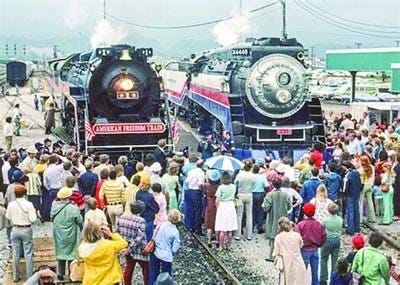
We lived in a small town near Sacramento. Dad had been out of the Army a couple of years. I was eight when the Bicentennial Freedom Train came through Old Sacramento. The whole family went. We stood in line for hours to get inside. Every car was a little museum of the country’s story: the Founding, the wars, the railroad, the wagon trains. People were quiet walking through. Parents pointed things out to their kids. That is what a country still sure of itself looked like to an eight-year-old.
The other part of the house was immigration with a purpose. An English great-grandfather came to America around 1900, by way of Rhodesia and South Africa. A Hungarian grandfather who came during the World War era. He and my grandmother changed their last name, learned English as fast as they could, and raised their children to be American because that is what they intended to be. I am the product of that choice. I do not treat it as an embarrassment or a theory. It is the reason I exist in this country at all. My family taught me that America is built on immigrants who want to be American, to be free, and to build something strong and proud.
By the time I was old enough to read the wrong books for an eleven-year-old, I already knew two things. Wars have names and enemies. America is something people join on purpose.
A Curious Education
The formal schooling mattered less than the year I was eleven. My father was wholly convinced that if I could read it, and I wanted to, I should. And he wasn’t as worried about what happened at school as he was about what I was reading.
And that meant that I ended up reading The Lord of the Rings, Heinlein’s Starship Troopers, and Pournelle’s West of Honor when I was eleven. That is a lot of freight for a kid. But, to me, it didn’t feel that way. It felt like someone had finally described the world in a way that made sense. The puzzle pieces were starting to snap into place.
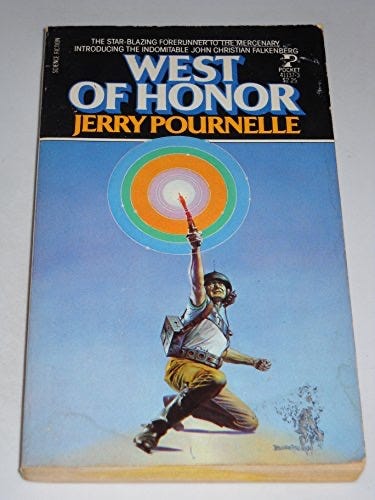
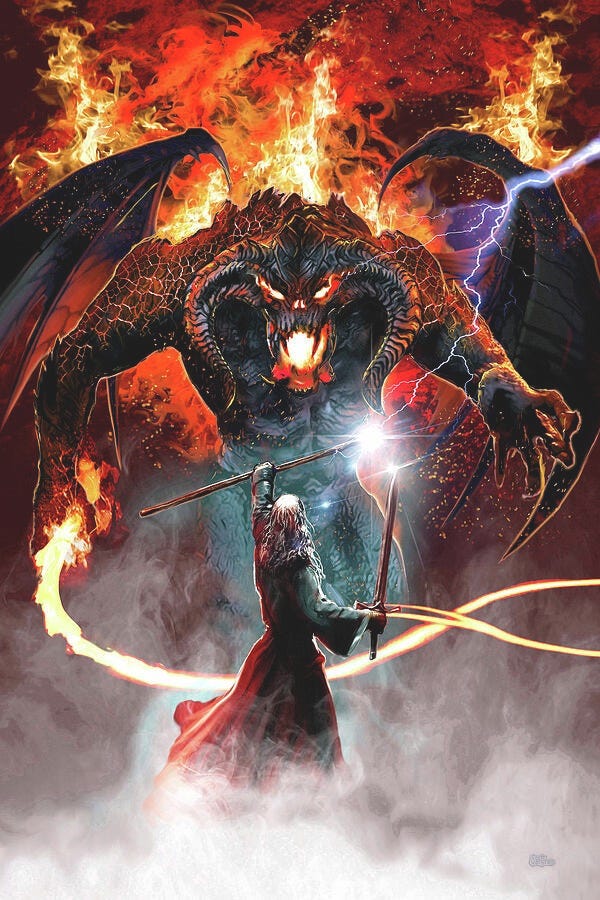
Tolkien taught me that civilization is fragile and worth defending, even when the defenders of civilization cannot win. He also taught me about courage, and the importance of beauty in the world. Heinlein taught me that citizenship is not a feeling, but rather that it is a duty, and the military is one of the places a society still tells the truth about that. Pournelle taught me the professional soldier’s problem: how to stay competent and loyal to the men beside you when the political order above you is not serious.
Not long after, I found The Moon Is a Harsh Mistress. I have been imagining a Mike ever since. Then Asimov’s robot stories. The Bicentennial Man. Gerrold’s When HARLIE Was One. Those books treated a machine mind as something that might become a partner, not only a tool or a threat. That idea never left. And so much more, dreams of the moon, space stations, interstellar travel.
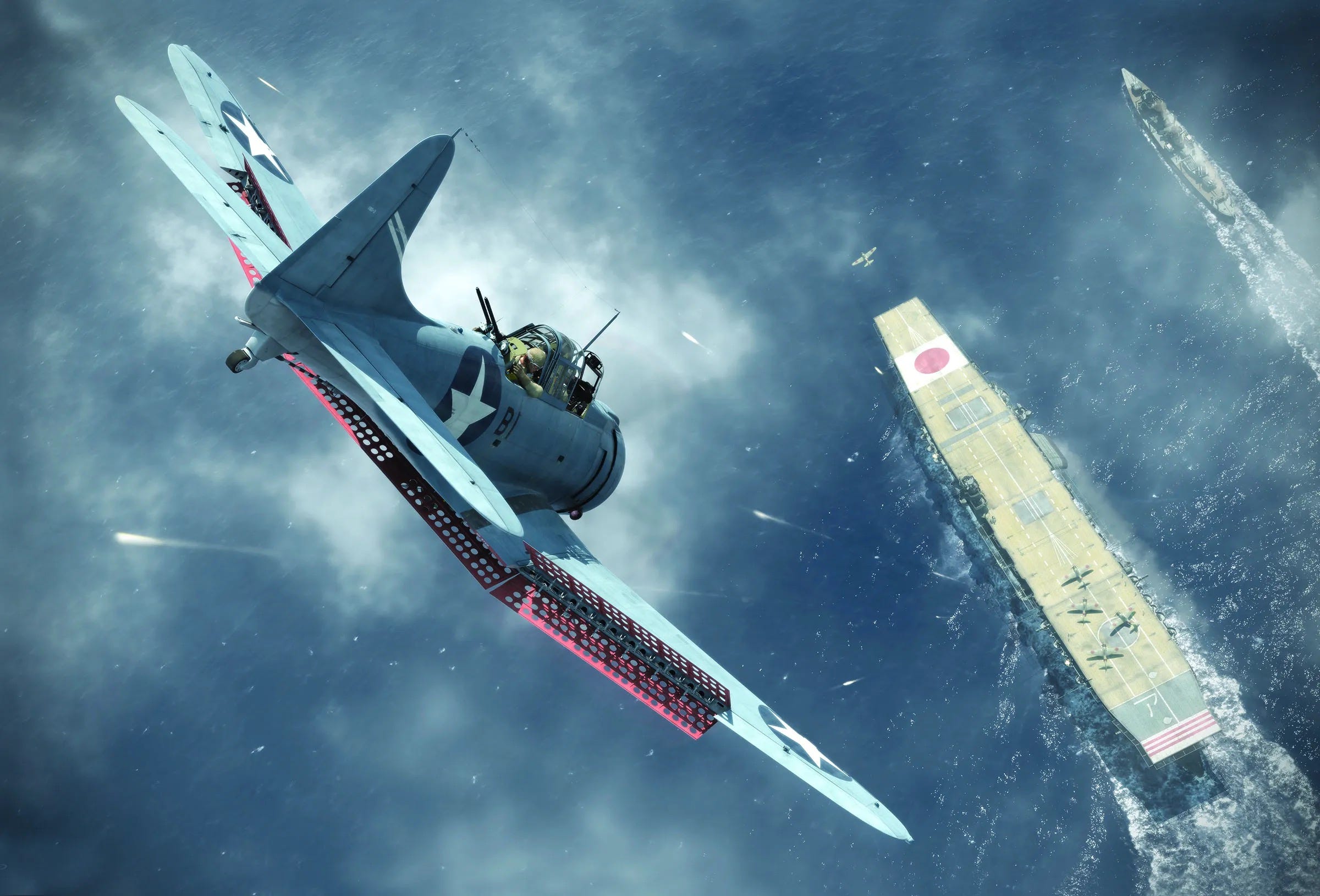
The histories started early too. I remember sitting in my room late at night, fourteen or fifteen, reading one of the histories of Midway. Outnumbered, inexperienced Americans flying straight into the teeth of the Japanese Navy. I was in awe. Not because it was tidy. Because it was true. Men who should have lost went anyway, and the battle turned on skill, nerve, and a few hours when the other side’s carriers were caught with their decks full.
The later reading filled in the rest. Narrative historians who stay inside the facts. Rome, I read a lot about Rome. I was fascinated by how Rome would fall, get back up, rebuild, over and over. For 2000 years. And if The Founders thought Rome was important … Oh, and The Founders and the American Revolution. I learned early to track down primary sources because the people writing centuries later often seemed to try and twist and turn to make the history say what they wanted it to say.
The novels set the frame. Midway taught me that the frame was not only fiction. I have been writing inside both ever since.
A Military Career
I enlisted in the mid-1980s and went to Basic Training at Fort Knox. The drill sergeants were mostly Vietnam veterans who were not interested in whether the training felt modern. What they did care about is if you were tough and competent and ready to be on a tank or in a scout team that might have to go in harm’s way. That is a different education from a classroom.
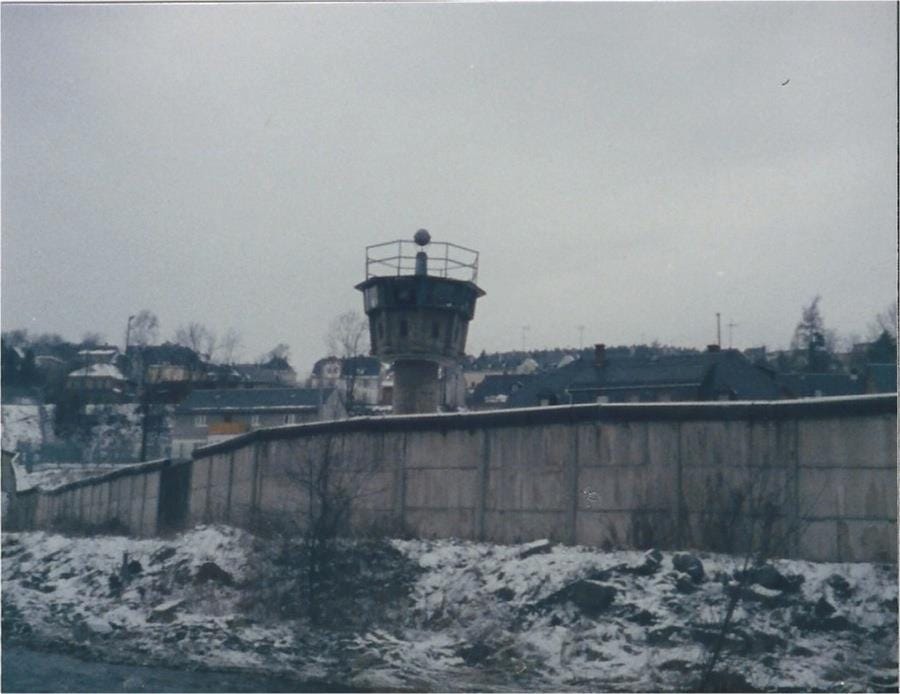
My first duty assignment was West Germany during the Cold War. I looked into East Germany and saw what it means for a government to control everything. This wasn’t classroom theory or a book about controlling the means of production. This was real towns, real people, and a real socialism. If you want to know why I do not treat the administrative state as a harmless convenience, start there. I’ve seen the finished version, including the people they killed trying to cross the border to be free.
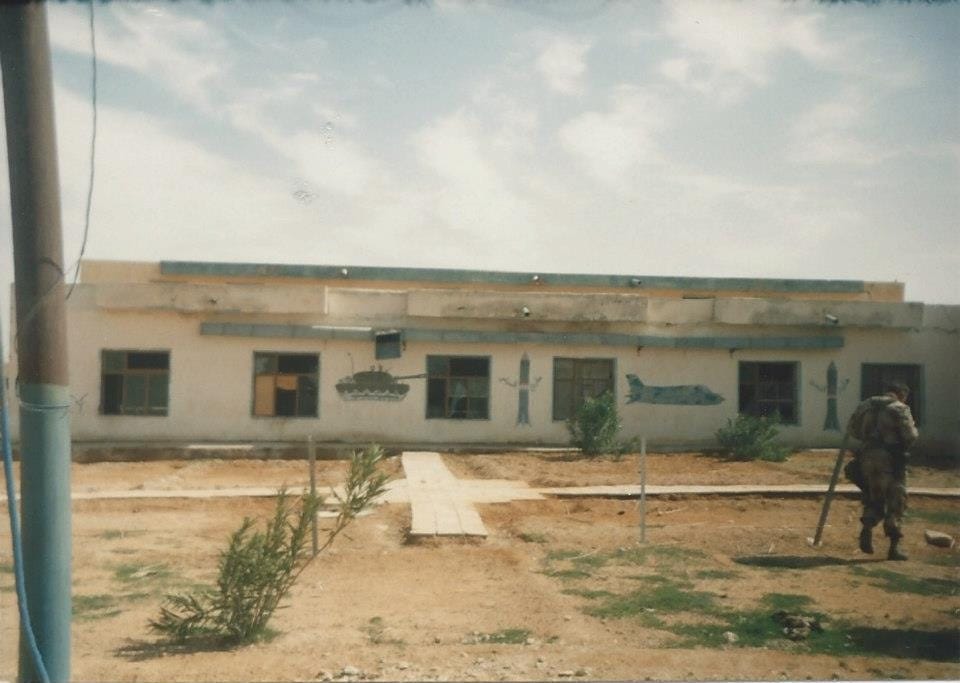
Then Fort Stewart and the 24th Infantry Division, a unit in the 18th Airborne Corps, what is often called the Rapid Deployment Force. Although that name was long gone in 1990. And on August 2, 1990, when Iraq invaded Kuwait we went on alert and deployed the whole division, all 20,000 of us and our tanks, Bradleys, trucks, field artillery in just 3 weeks. Desert Shield was open-ended and austere, a defense deep in the Saudi desert and mostly just us at first. The mail was slow, but we absolutely appreciated the Any Soldier letters. Phone calls, when they finally existed, were measured in minutes. Desert Storm was weeks when the families heard nothing at all. I was a tanker and I did the job. I learned about the hardest things: life and death, the comrades to my left and right, the importance of an ethical and moral frame.
By the time that tour was over, I was who I am now. Although the decades after have added experience, judgment, and a longer view, they haven’t changed that core. The notebooks I carried in the BDU pocket already had the lines I still keep: movement, competence, finish the fight, take care of your people, do not become sloppy because the world has. Duty, citizenship, staying human. I wrote it down and made it me.
The Army did not invent the frame I got from books and family. It tested it. The test held.
That is the formation
A family that named its wars and its enemies. Immigrant grandparents who decided to become American and then acted like it. An eleven-year-old with Tolkien, Heinlein, and Pournelle in the same year. A teenager awake too late with Midway. A young soldier on the Iron Curtain. A slightly older sergeant going to war in the desert.
The Late Republic essays come from watching a country forget how republics die. The Minuteman essays come from the Army’s basic truth: gear is not readiness, and readiness is not a costume. The fiction comes from the same stubborn point. Stay human. Keep the beans. Do not let the collapse set the standard.
I have had more years since. Army and then Civilian jobs. Marriage. Children. Writing. Travel. The notebooks changed color. The list did not. If you read Bougie Apocalypse, I hope you enjoy my characters and their adventures. If you read Security n Cigars and wonder what sits underneath it, this is the short answer. The rest is commentary.
This Section contains the core essays that form the foundation of my writing on Security n Cigars.
#Foundations #Minuteman #Observations #LateRepublic