


The Roman Republic’s Fatal Question
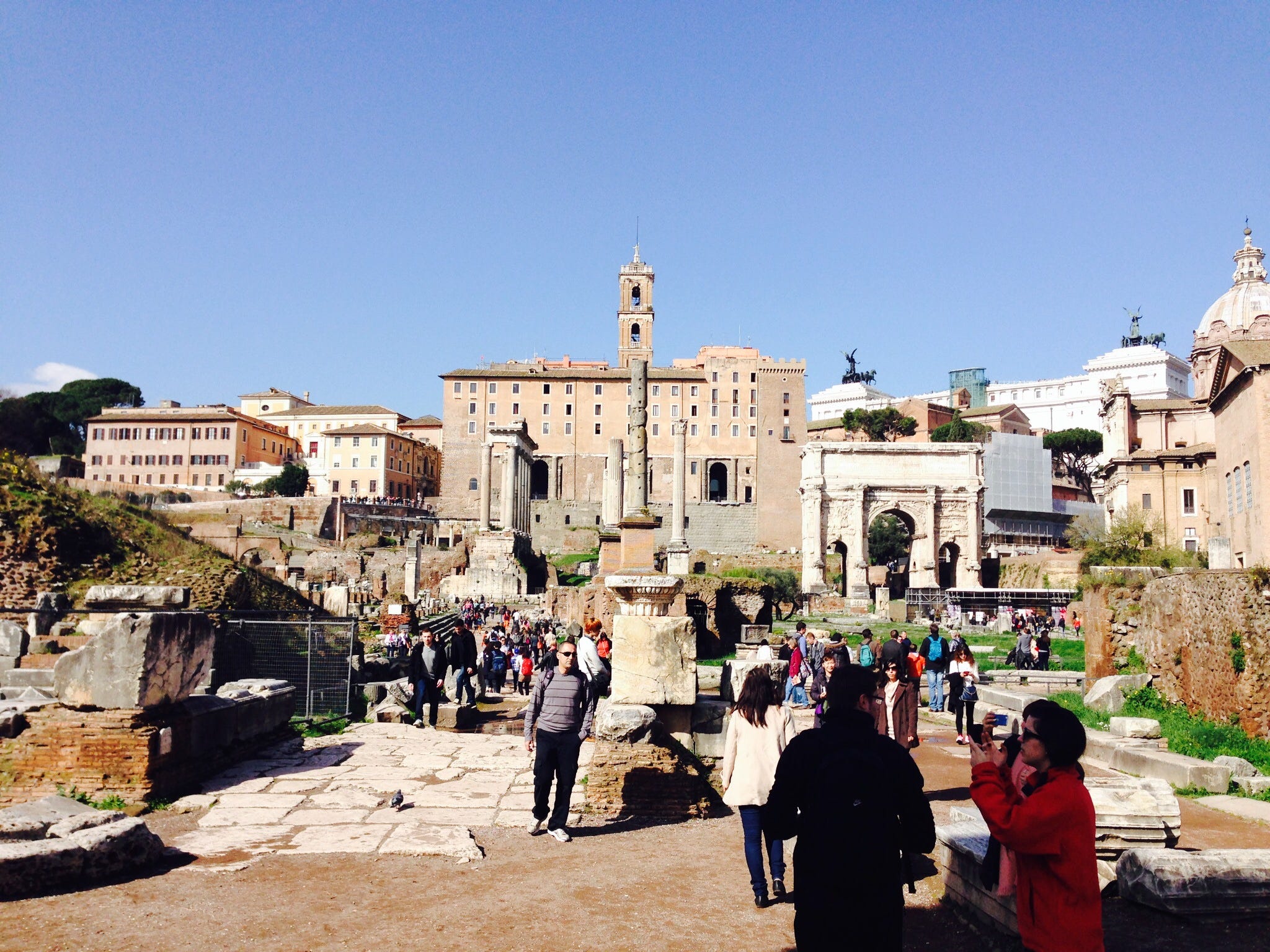
The Italian allies fought and bled for Rome, but were denied full membership in the polity. The reformers’ attempt to fix that injustice helped break the Republic.
In the final century of the Roman Republic, one question proved almost as destructive as lawfare, debt crises, and ambitious generals: Who actually belongs to the polity?
Who bears the burdens of the state, who receives its benefits, and who gets to decide its future?
This was not a side issue. It was central to the Republic’s collapse.
Burdens Without Benefits
For generations, Rome’s Italian allies (socii) had fought beside Roman legions. They supplied a huge portion of the manpower for Rome’s wars. They paid taxes. Their lands were ravaged when enemies invaded Italy. When Rome won new provinces, the allies shared in the dangers but received little of the spoils.
The distinction was stark. Core Roman territory, the Ager Romanus, was inhabited by full citizens who could vote in the assemblies, enjoyed legal protections, and had a direct say in the Republic’s decisions. The Socii, by contrast, lived under unequal treaties. They were expected to provide troops and resources on Rome’s demand, often with little real choice, yet they had no vote, limited legal rights, and received far less of the benefits of empire. They were partners in burden, but subjects in status.
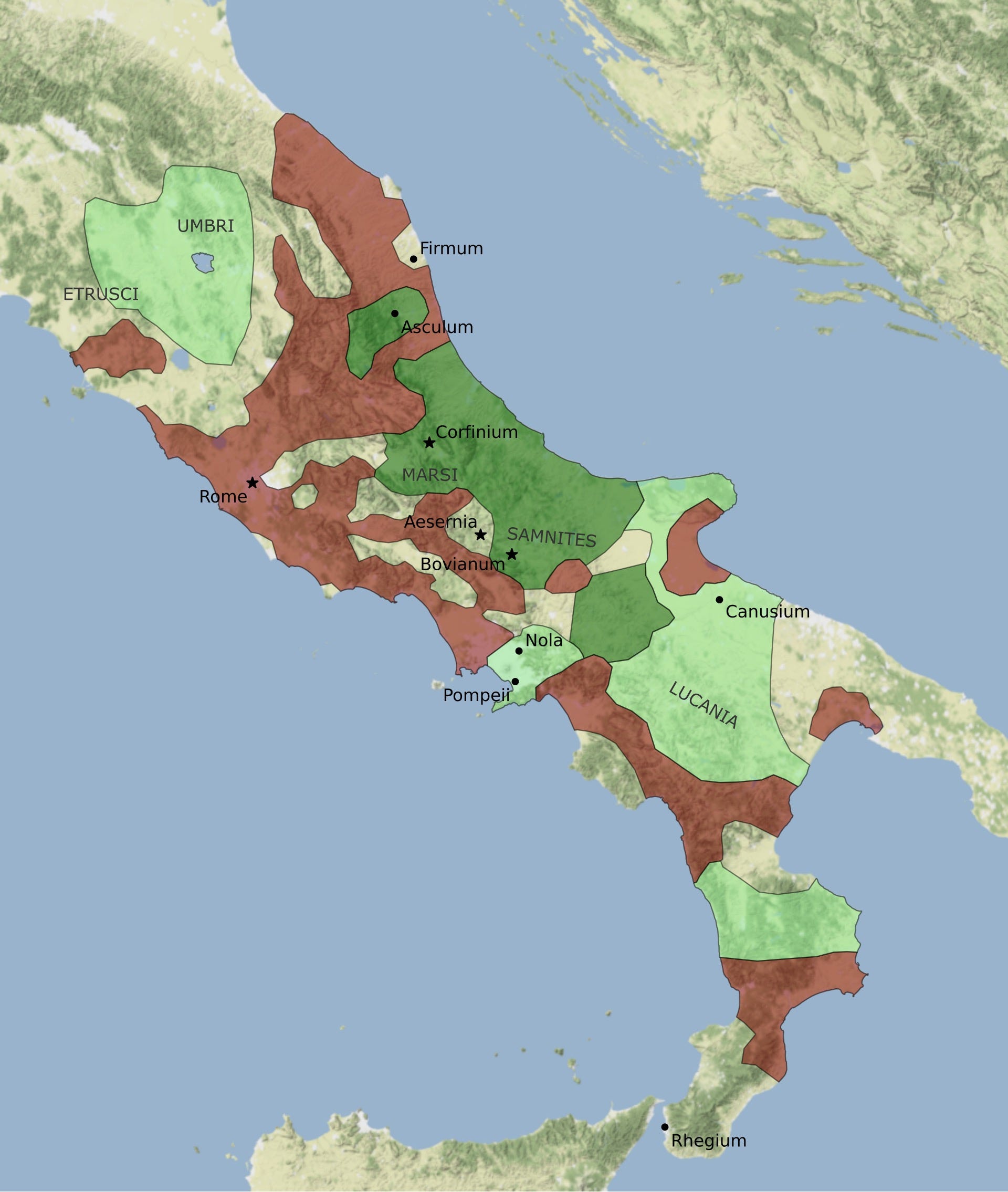
They had no vote in the assemblies that declared war or made peace. Roman magistrates could mistreat them with impunity. Their legal status was inferior. They were expected to act as Romans when it came to sacrifice, but were treated as subjects when it came to rights.
This asymmetry created deep resentment across Italy. The allies were not outsiders. They were partners in empire who had been systematically denied full membership in the polity they helped defend.
The Gracchi: Idealism Meets Power
Tiberius Gracchus, and later his brother Gaius, saw this problem clearly. Tiberius in particular appears to have been genuinely moved by the plight of the dispossessed small farmers and the disenfranchised Italian allies. He believed the Republic was being hollowed out by the concentration of wealth and power in the hands of a few great families. Extending land reform and greater political inclusion seemed to him both morally right and practically necessary.
Yet there was also a sharp political calculation. Expanding the citizen body, especially granting fuller rights to the Italian allies, would create millions of new clients loyal to the reformers rather than the old senatorial order.
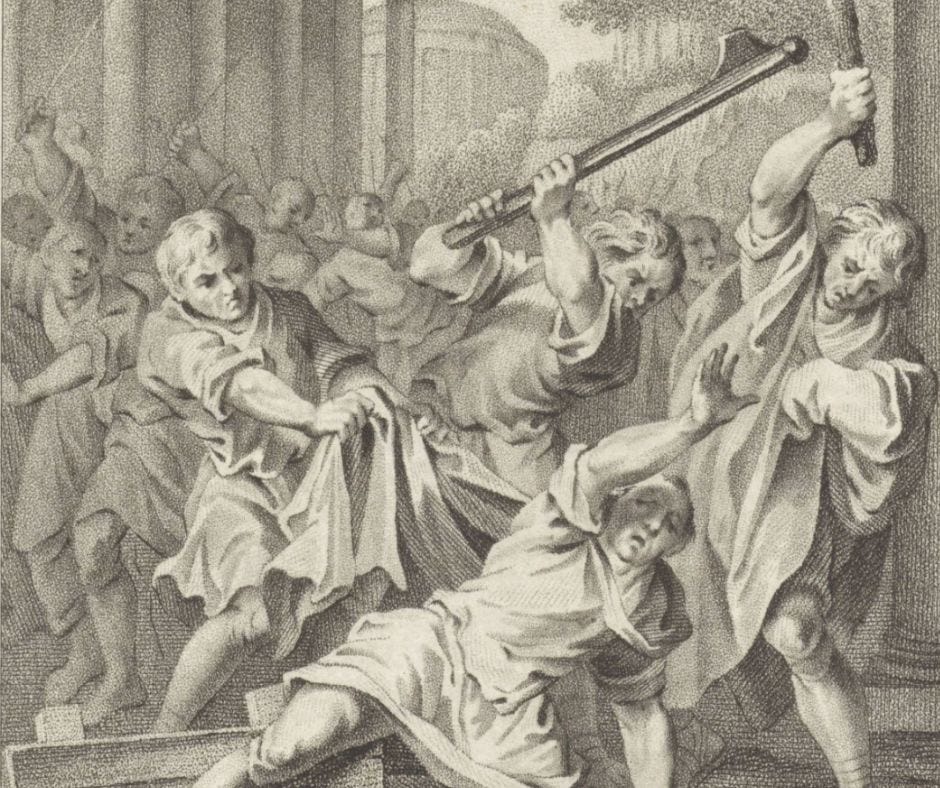
The Gracchi pushed hard. In 133 BC, Tiberius was assassinated. He was beaten to death with benches and tiles by a mob of senators and their clients during a riot over his attempt to run for re-election as tribune. Political violence had entered the Republic’s bloodstream.
The resulting tensions helped spark the Social War (91–88 BC), one of the most savage conflicts in Roman history. Italians rose in rebellion, demanding full citizenship. The war devastated much of the peninsula. In the end, Rome granted citizenship to most of Italy to stop the bleeding.
On paper, it was a victory for reform and justice. In practice, it was a turning point from which the old Republic never recovered.
The Cost of Expanding the Polity
Once citizenship became a negotiable political tool rather than a carefully guarded status tied to shared culture, language, religion, and mutual obligation, the Republic’s foundations began to crumble.
The old ideal of the citizen-farmer with skin in the game was further diluted. Clientelism exploded. New citizens became votes to be bought or mobilized by strongmen. Shared identity and consensus became much harder to maintain. The question “Who is the polity?” was now permanently open for political exploitation.
Lawfare, corruption, and the rise of figures like Marius, Sulla, and Caesar were devastating. But the transformation of the citizen body itself made those problems far harder to solve, because the people deciding how to solve them no longer shared the same understanding of what Rome was.
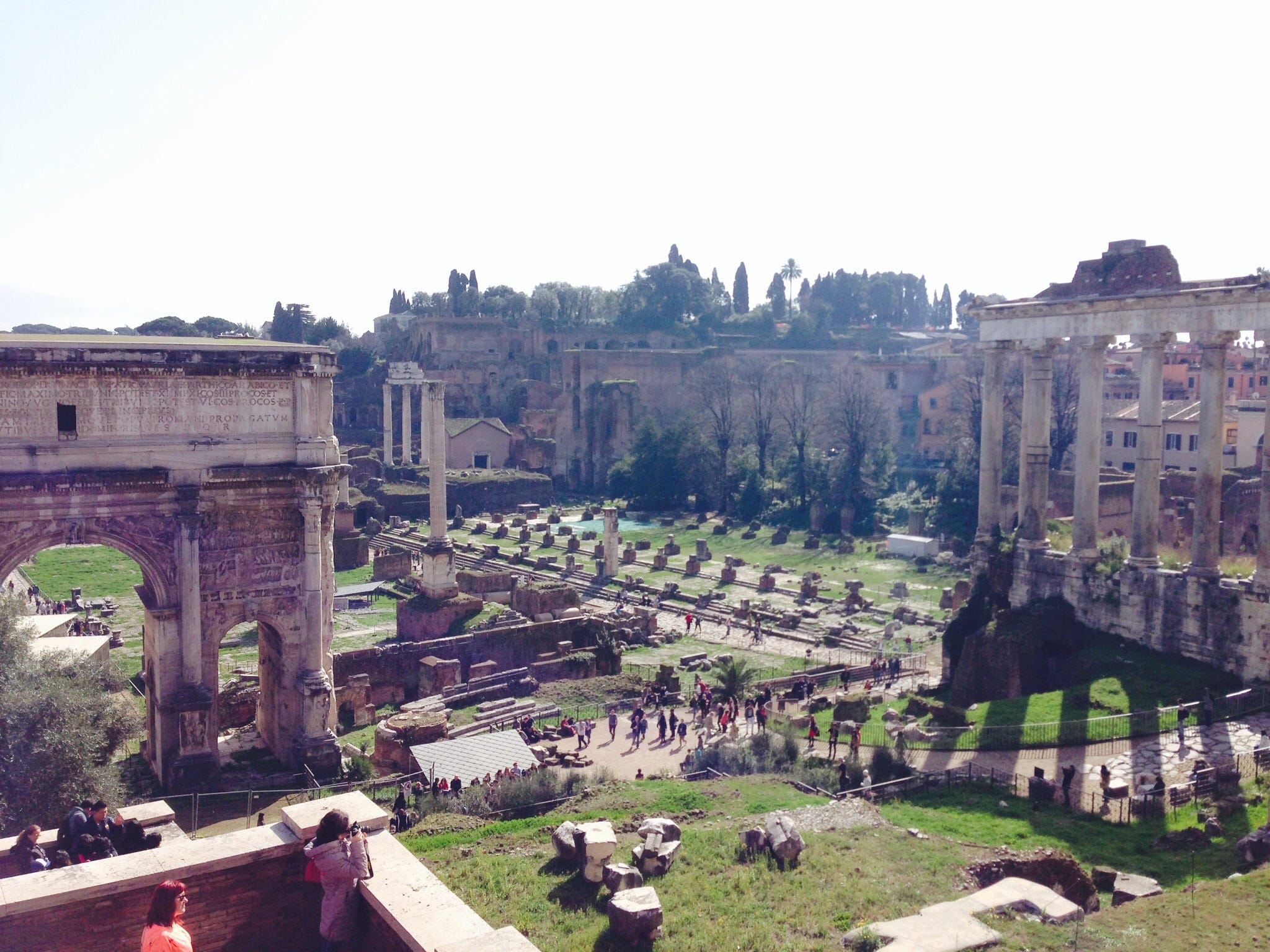
The Eerie Parallel
In the Roman Late Republic, it was the populares, the reformers and populists, who pushed to expand the polity, partly from genuine concern for injustice and partly for raw political power.
In the American Late Republic, the dynamic has almost perfectly inverted.
That inversion, and its consequences, is what this series will examine.
Further Reading
This Part 1 is a summarized synthesis drawn from the following works I’ve read on the period. Highly recommended for further reading and digging deeper.
Top Recommendation
Mike Duncan, The Storm Before the Storm: The Beginning of the End of the Roman Republic (2017) The single best modern narrative of the critical years from the Gracchi through Sulla. Highly readable and excellent on the Social War and the early collapse of republican norms.
Classical Sources
Plutarch, Lives. Especially the biographies of Tiberius Gracchus and Gaius Gracchus
Appian, Civil Wars (Book 1). Detailed account of the Gracchi, the Social War, and the beginning of the Roman civil strife
Additional Strong Modern Works
Tom Holland, Rubicon: The Last Years of the Roman Republic
Adrian Goldsworthy, Caesar: Life of a Colossus (and his broader works on the Republic)
Observations from the Late Republic
Examining the decline, the decay, and the quiet resistance in late-stage America.
#Observations #LateRepublic #FourthBranch #AdministrativeState #CitizenSovereignty
All Observations from the Late Republic posts
Looking forward to the rest of this series as well as Bougie Apocalypse. Great wrtiting!