


We don’t need to become what we oppose. We need the clarity and courage to defend what made America work. The great thing is not to lose your nerve.
Over the course of this series we have examined a profound historical irony.
In the Late Roman Republic, the populares, the reformers and populists like the Gracchi brothers, pushed to rapidly expand the polity by extending citizenship to the Italian allies. While some, like Tiberius Gracchus, appear to have been motivated in part by genuine concern for injustice, the overriding driver was power. New citizens meant new clients, new voters, and a decisive political advantage against the old senatorial order.
In the American Late Republic, the dynamic has almost perfectly inverted, but the fundamental motive remains the same: power. Today, it is largely the administrative state, globalist institutions, large corporations, and ideological opponents of populism who have driven the most rapid transformation of the American citizen body in our history. They, too, understand that demographic change can be used to import new constituencies more favorable to their vision, thereby increasing and solidifying their long-term political dominance.
Parts 1 through 3 laid out the Roman precedent, the American inversion, and the very real consequences we are already living through: declining social trust, strained institutions, and a growing crisis of legitimacy.
We now see the problem with clarity.
The only real question left is whether we still possess the will and wisdom to do what is necessary to preserve a coherent, self-governing American polity. Or whether we will watch the same forces that undid Rome play out in our own time, all in the name of power disguised as compassion.
This final piece is about what “Don’t Lose Your Nerve” actually demands in this arena.
Why the Polity Matters
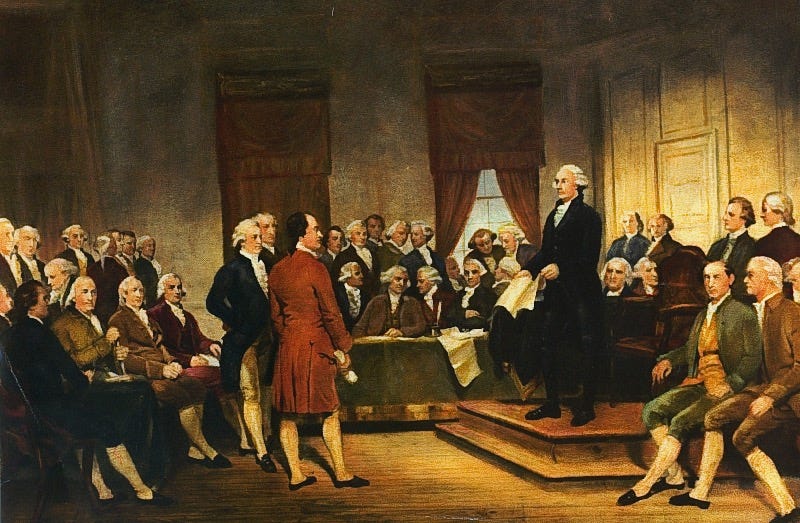
The Founders designed the American Republic with a clear understanding of human nature. They knew republics were fragile. They knew power corrupts. And they knew that self-government requires a people capable of it. they were students of Greece and Rome and saw clearly what undid the Democracies and Republics of antiquity.
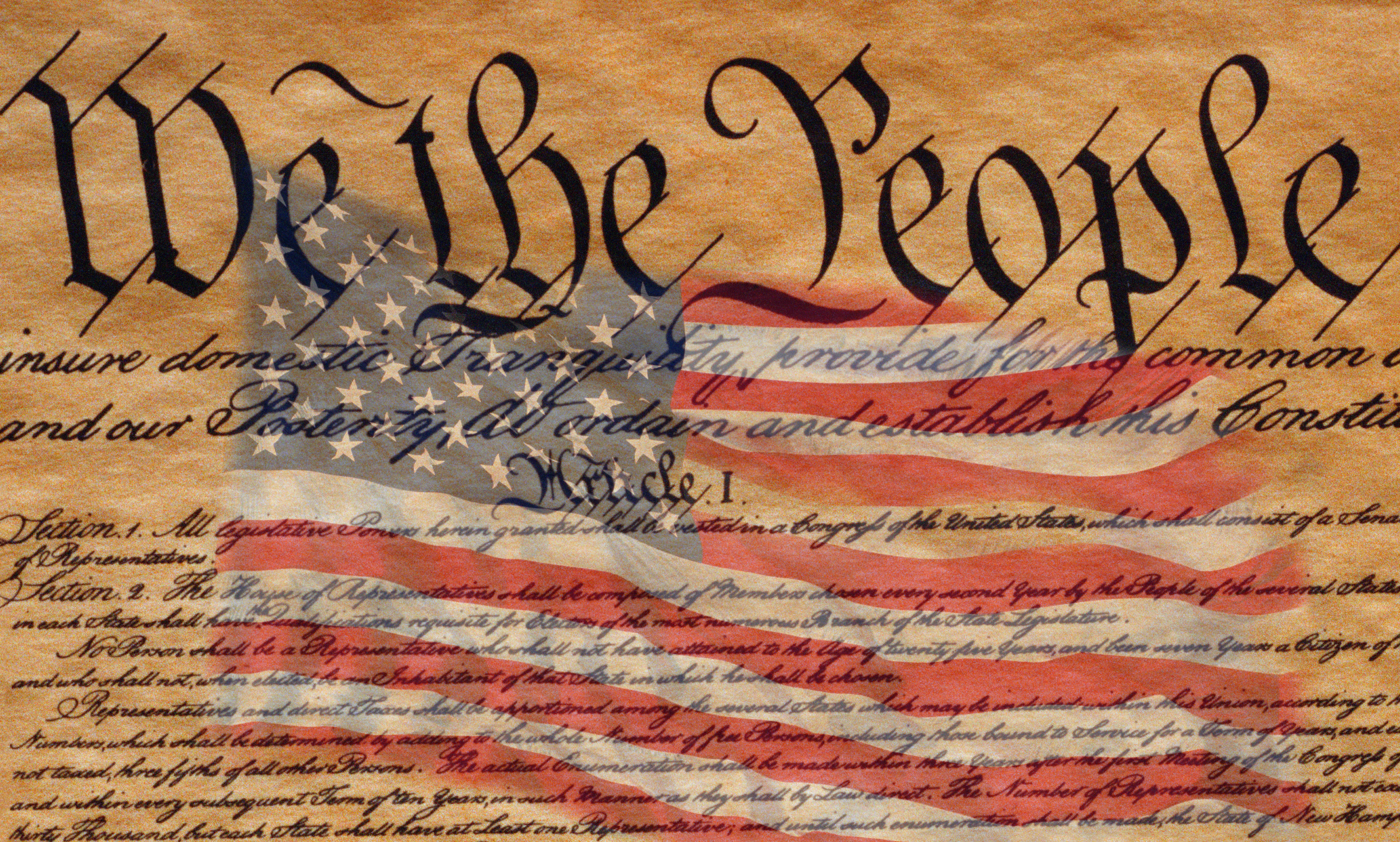
They placed the citizen body, what I call the Fourth Branch, at the foundation of the entire system. “We the People” was not rhetorical flourish. It was the central operating principle. They believed a definable, relatively cohesive people with a shared culture, language, and commitment to ordered liberty could govern themselves better than any king or aristocracy.
They were right. The American experiment produced results unmatched in human history precisely because it rested on that foundation.
A polity is not an economic zone or a hotel. It is a people with mutual obligations, shared memory, and a common stake in the future. When that definition becomes too fluid, the machinery of self-government begins to break down.
The Principled Middle Path
We hear voices on all sides preaching the extremes: Nativism, ethnic nationalism, open borders, unlimited immigration, fundamental change. To return America to what makes it the greatest nation on earth, we must reject the extremes and hew to the path our Founders laid out for us.
On one side is the naive belief that unlimited immigration and multiculturalism strengthen the nation no matter the scale or speed. On the other is crude ethnic nationalism that treats ancestry as the only qualification for membership. Yet another, the one that got us here today, preaches radical expansion of the Polity and open borders, treating occupation of the land as the qualification for membership.
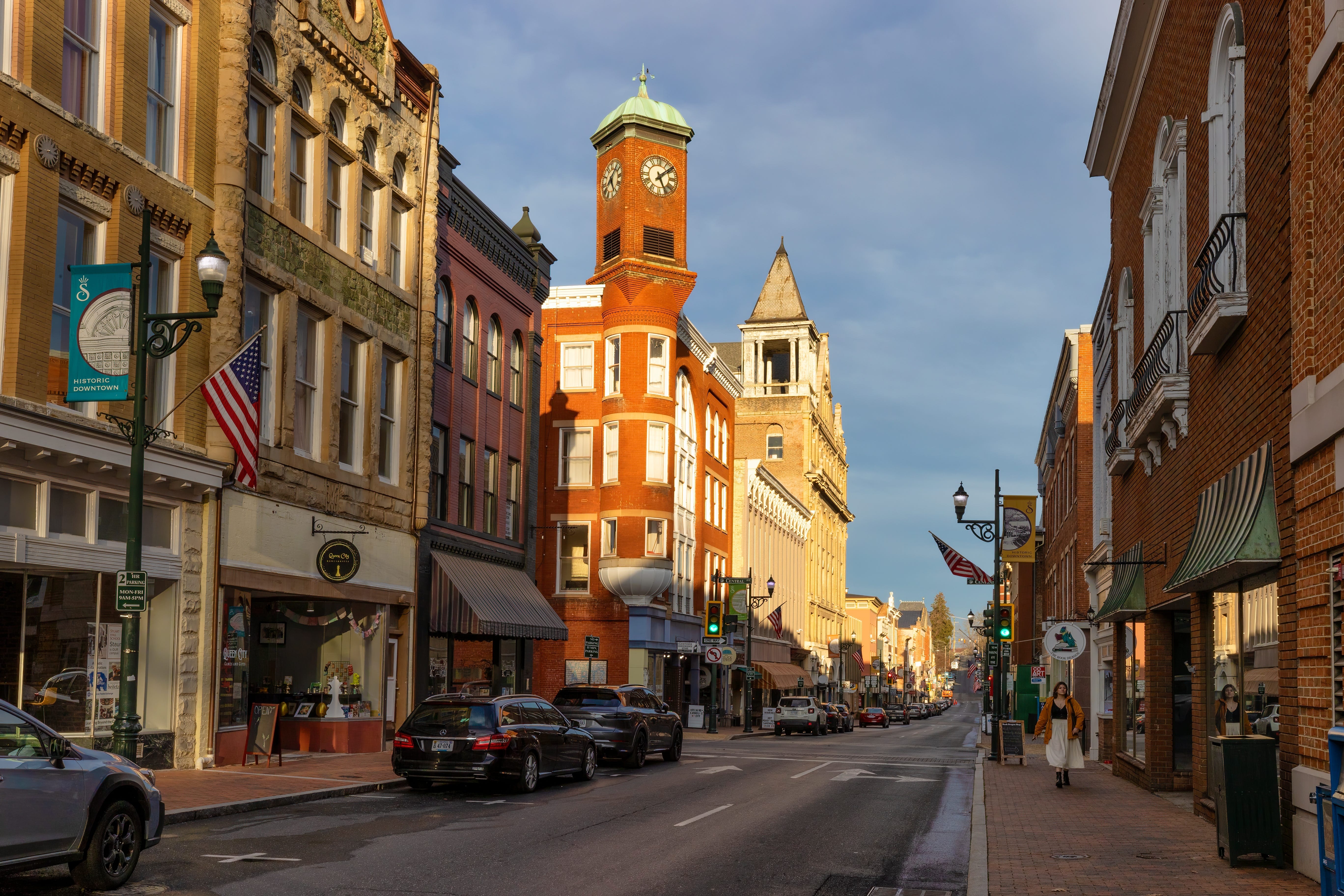
A serious position lies between them all: strong, enforceable borders paired with unapologetic cultural expectation. Assimilation must primarily happen in daily American life, in our neighborhoods, schools, universities, churches, and workplaces. It is social norms and expectations set by Americans themselves that will achieve this. Government cannot and should not micromanage culture, but it must stop actively undermining the conditions that make successful assimilation possible.
Practical Stewardship — The Role of Government
Government has a legitimate and necessary role in defending the outer boundaries of the polity. This does not mean micromanaging culture or daily life, but it does mean fulfilling the most basic duties of any sovereign nation.
First and foremost, this requires secure borders and consistent, vigorous enforcement of immigration law. A country that cannot control who enters its territory is no longer fully sovereign. For a period of time, years, not months, America should sharply reduce overall immigration levels. This pause will give our society time to assimilate those already here, remove those that should not be here, and enable the existing Fourth Branch to regain its cultural and political balance.
We must also end policies that actively undermine the integrity of the citizen body. Chain migration and expansive interpretations of family reunification have turned initial entries into exponential population growth. Birthright citizenship loopholes for children of non-citizens create perverse incentives. Sanctuary policies that create two-tiered systems of law erode the principle that the rules apply equally to everyone. These practices should be ended, not because we hate immigrants, but because the practices weaken, undermine, and destroy the very meaning of American citizenship.
The military’s fundamental duty remains defending the physical integrity of the nation and its borders. This is not optional. It is core to the social contract between the citizen and the state.
Finally, public institutions should unapologetically uphold basic American norms: respect for the flag, the Constitution, the Founders, the Capitol, and the nation’s history and heritage. We are talking about schools, government buildings, the military, police, and other organs of the state. A government building that is not clean and beautiful is a symbol of decay, not of pride and strength.
Government cannot force private citizens to love their country, but it should never use its own platforms to denigrate or delegitimize the historic American nation.
These steps are not extreme. They are the minimum requirements for any nation that wishes to remain a coherent, self-governing republic rather than a sprawling administrative zone managed by elites.
Don’t Lose Your Nerve
We do not need cruelty or tyranny to defend this Republic.
We need honesty. We need the courage to acknowledge that a nation is more than a collection of individuals with paperwork. We need the willingness to say “no” to policies that dissolve the American polity, while still saying “yes” to those who genuinely wish to join us on our terms.
The Fourth Branch still exists. The American people still have the sovereign right to decide who joins their political community. The Founders entrusted us with something rare and precious. Preserving it does not require hatred of others. It requires love of what they built — and the resolve to pass it on intact.
This is what stewardship looks like.
This is what “Don’t Lose Your Nerve” requires in our time.
Observations from the Late Republic
Examining the decline, the decay, and the quiet resistance in late-stage America.
#Observations #LateRepublic #FourthBranch #AdministrativeState #CitizenSovereignty
All Observations from the Late Republic posts
Wonderful series. Eye opening, delivered a lot of information, and most of all made me think! Not losing our collective nerve is a serious problem in an age where the average ability to concentrate is about that of a chipmunk. Our society gains by these conversations, and your contribution is excellent. Thank you.