

While I do hear this online sometimes, it’s pretty routine at the local gun club — especially when I’m out there volunteering as an RSO.
People genuinely want to know how to be prepared for the potential emergencies of the modern world, but they aren’t sure where to start. When someone asks me seriously, I’m happy to give them my input.
Based on those conversations, I figured I would write something more general rather than specific to my local area. Of course, in my area I know exactly who to recommend, but I don’t know the best resources in Georgia, Texas, Indiana, or wherever you live. And if you’re in another country, the best I can offer is some broad, basic advice.
My input breaks down into three broad categories. Here they are:
Fitness and Physical Preparedness
You do not need to be Special Forces level. But being strong and maintaining a solid level of physical fitness is important. The old saying “strong people are harder to kill” is repeated for a reason. Good fitness will serve you well in any emergency.
Join a gym and learn how to lift weights. Focus on the three core lifts: Squat, Bench Press, and Deadlift. These build a strong body, a strong core, and improve bone density.
Do something for general fitness every day — run, walk, ruck march, or play with your dog. Get out and move. The 10,000-steps-a-day goal sounds silly to some, but it equals roughly five miles of walking. That alone will do more for your mental and physical health than almost anything else.
Align your diet with being healthy and strong. Ignore the government’s strange food guides (which often work against fitness) and look instead at general athletic and military diets. Focus on whole, unprocessed foods, plenty of protein, naturally occurring fats, moderate simple carbs, and very little amounts of refined sugars. Moderate your alcohol intake — not because I’m anti-alcohol, but because avoiding a beer belly and fuzzy brain is healthy.
Firearms Training
First, get a quality firearm. If you don’t have one already, start with a good pistol. My gun safe includes Kimber 1911s, Springfield Armory 1911s, Sig Sauer P365 and P226 pistols, and Smith & Wesson M&P pistols — all solid choices for a first serious handgun.
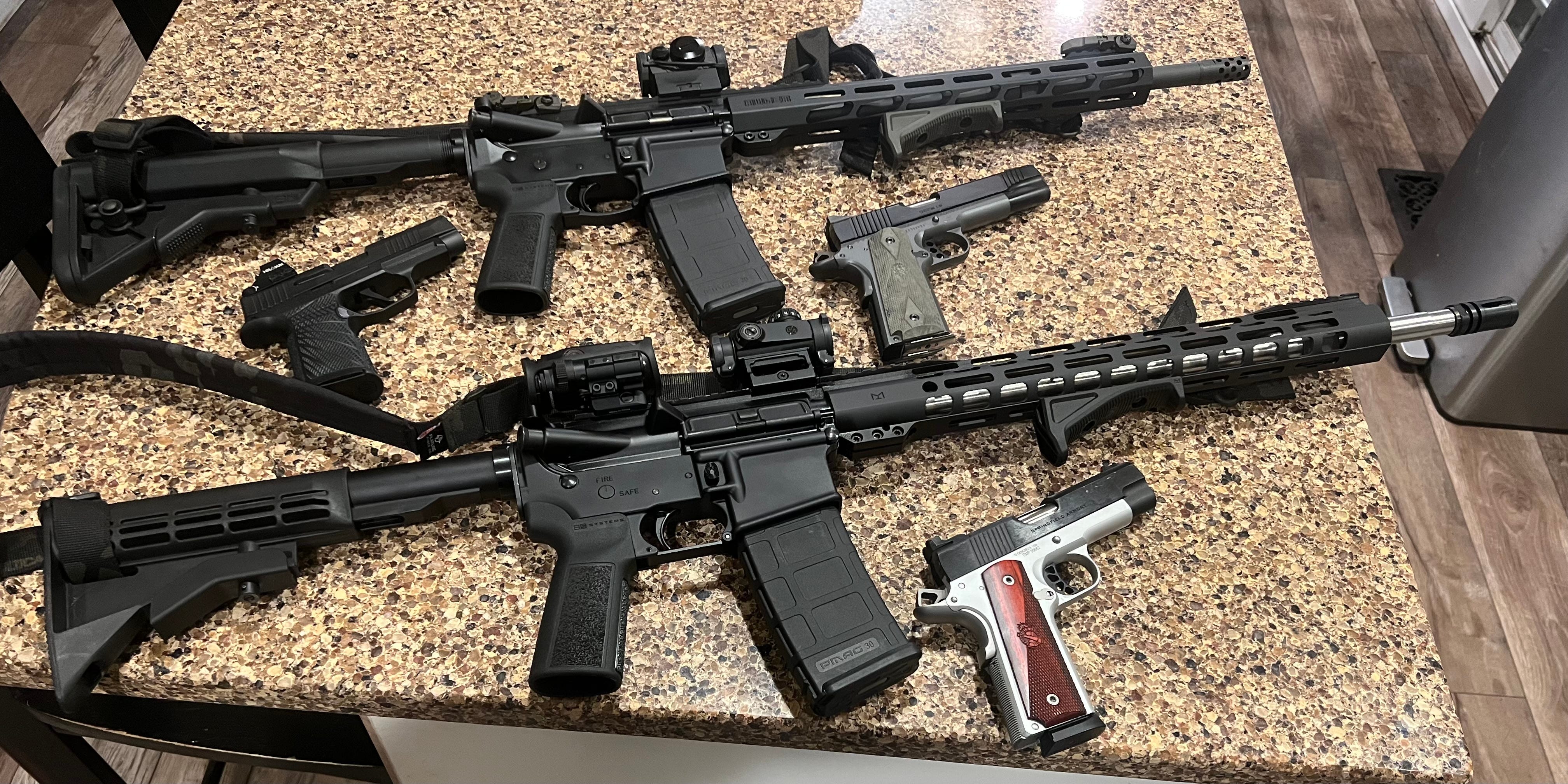
Once you have a good pistol, get quality training. Start with a solid introduction to handguns course that includes both classroom theory and live-fire practice. After that, get to the range regularly and drill the fundamentals. Then move on to intermediate training where you work on drawing, improving marksmanship, and shooting multiple targets.
How do you know if the training is good? Look at the instructors’ real-world experience and the recommendations of serious students. If the trainers don’t have long, credible experience, you’re probably talking to the wrong people.
Even instructors need instructors. I still take at least one training course every year. The senior trainer at my preferred school was a Marine Rifleman, then a cop and SWAT team member for 20 years. That’s the kind of real experience I look for.
One class and then no ongoing practice means your skills will atrophy — just like your muscles do if you stop lifting. I shoot at the range every two weeks and dry-fire practice every morning for 10 minutes. I take at least one (preferably two) formal training classes per year, depending on life circumstances.
Emergency First Aid Skills
Other than wartime deployments, I have used my first aid skills far more often than my firearms skills. This is a must-have for the Modern Minuteman.
Not long after basic training, while stationed in West Germany in the 1980s, I came upon a German bicyclist who had been hit by a car. I had a first aid kit in the military vehicle and rendered aid until the German police arrived.
That was the first of perhaps a dozen times I’ve provided emergency aid over the past 40 years. In that same period — outside of combat deployments — I have never had to use my firearms skills in a real situation.
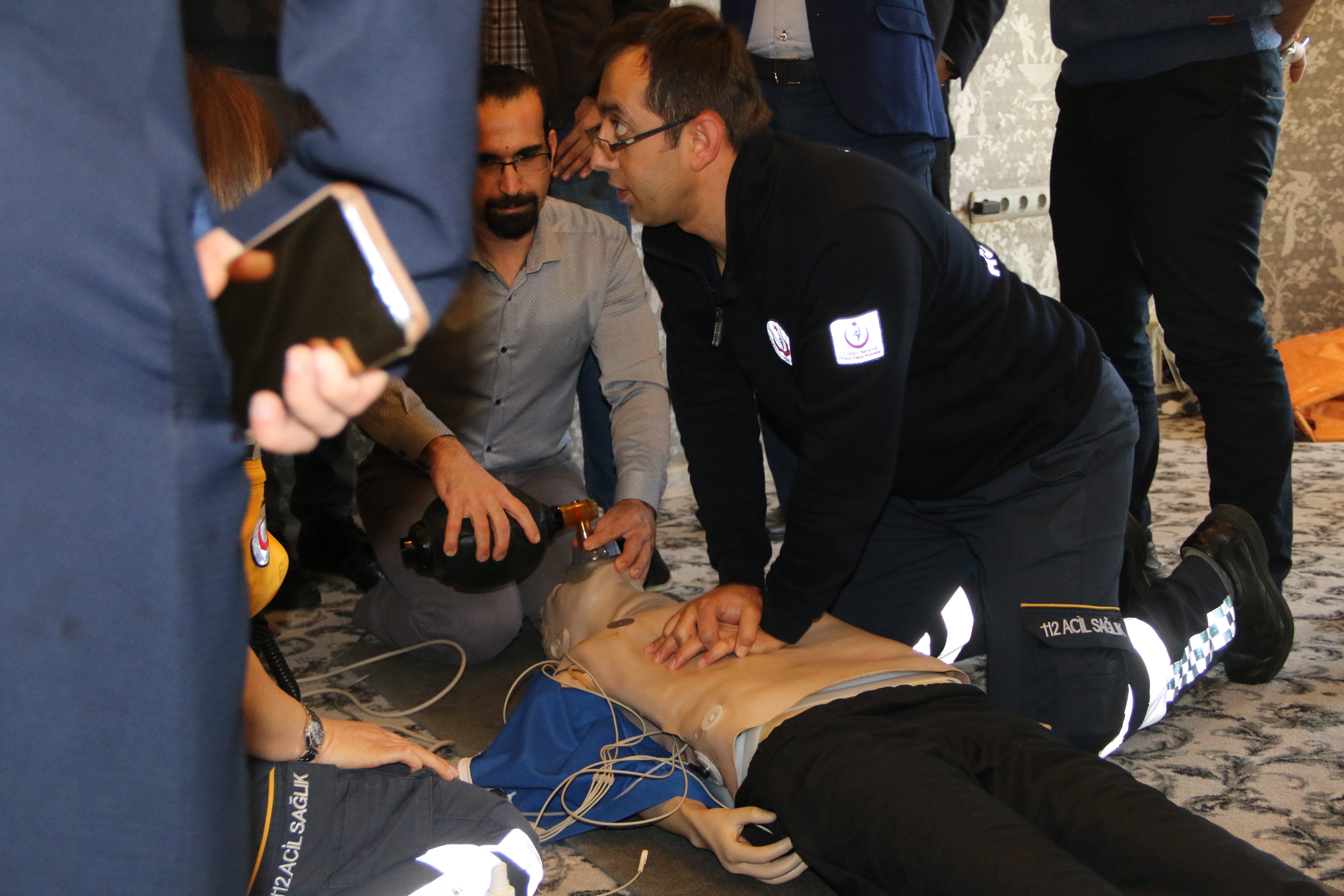
Start with Red Cross certified classes in first aid and CPR. Learn how to bandage wounds effectively, but also how to perform CPR when your neighbor has a heart attack. After that, seek out classes taught by people with real experience: paramedics, firefighters, and combat veterans.
Look specifically for training on traumatic injuries — car accidents, gunshot wounds, fires, etc. The Red Cross “First Aid for Severe Trauma” class is excellent.
Remember: the first aid gear you carry is only as good as your training and skills.
I hope this helps you get started or continue down the road of the Modern Minuteman, that self-reliant, prepared citizen that this country depends upon every single day.
Modern Minuteman
Practical preparedness for everyday citizens.
Low-profile. Reliable. Quiet competence.
#Minuteman #EDC #Training #Preparedness
Thank you for this post! The first aid aspect is so overlooked, I appreciate you emphasizing it.
As big as those other elements...
Belong to a community. I don't mean a club that meets across town (even at the gun range), but the people around you in YOUR neighborhood. So that, after a hurricane, tornado, earthquake, houses in your 'hood burning, etc., you can work together to take care of each other. In some instances it might even help you deal with large groups of nasty people. (Remember there were neighborhoods BLM/AntiFa bypassed in the Summer of Love because the neighbors all armed up and stood at the entrances and said "Not here, not today.")
EDIT: It will also help with someone mistaking you for a bad guy if you need to go about armed or carrying tools after an event. If you've talked to folks and they know each other well, they're less likely to call the cops. "OMG! There's a man with a gun walking through the neighborhood! And he's got a chainsaw! Eeeeaaarrrggghhhh!!!"