


Advice to Substack Writers (in the Spirit of 2003 Blogging)
You’ve got this Substack thing and it’s supposed to magically make you money through subscriptions. Okay, great. But how? And is that really why you’re here?
I spend easily 20 hours a week on two different Substacks. This one and one where I write fiction. I’d love it if you subscribed to either. For free. I’ve committed to a different model: one that builds community instead of chasing paid subscriptions.
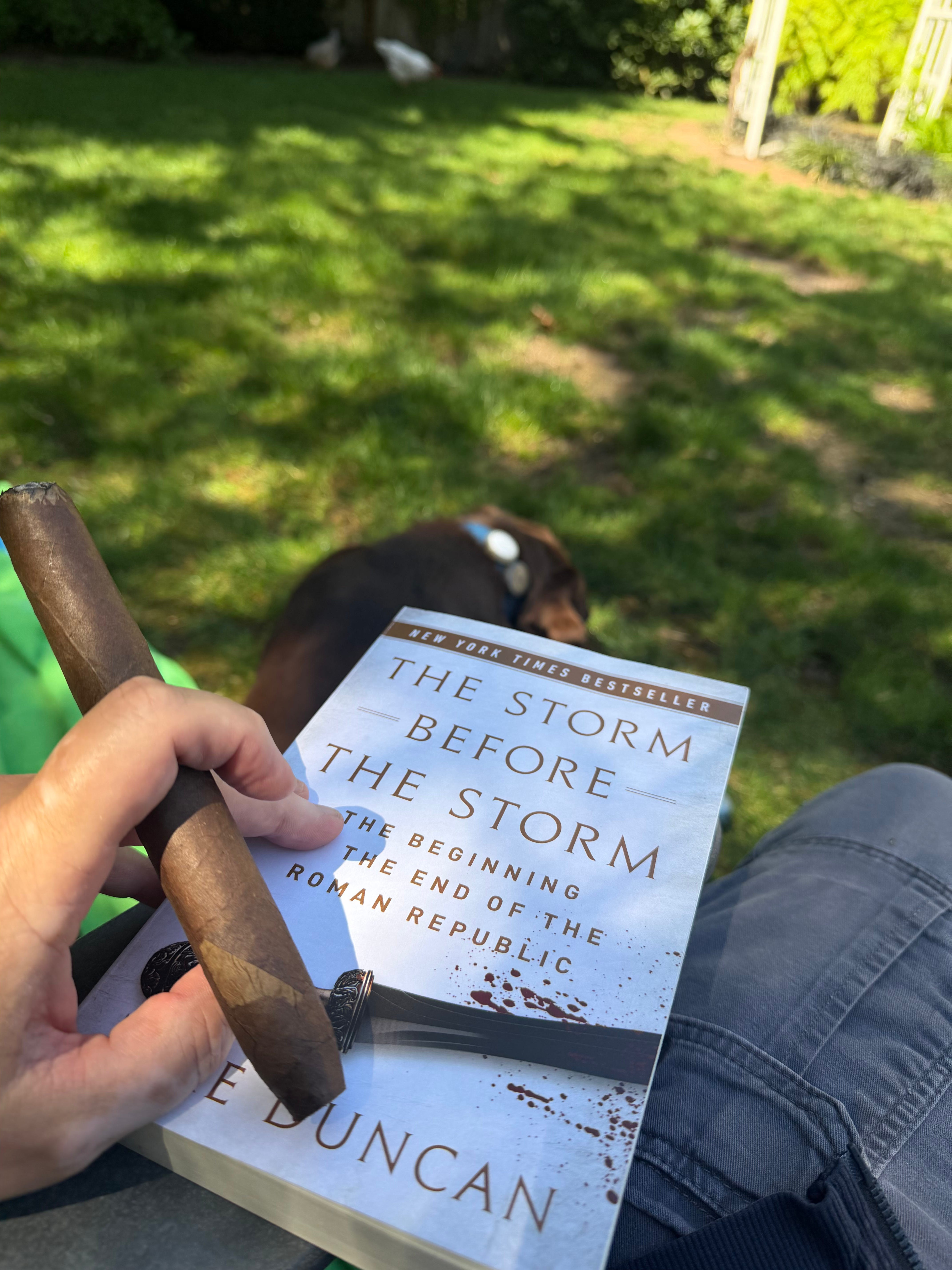
Yet I have thousands of subscribers and followers. I enjoy writing and sharing with them, and some have become genuine friends. That’s my reward. You need to figure out your own reward, your Thing 0.
Meanwhile, here are some thoughts about how to make Substack work for you, whatever your motivation is.
A key thing to remember is that Substack is basically 2003 blogging updated for 2026. Back in 2003, blogging was rarely a quick path to money. Most writers published because they loved thinking and sharing ideas in public. Audiences grew slowly through genuine connection. Income, when it came, arrived later through books, speaking, consulting, or loyal supporters. Substack revives that spirit with better tools, but the underlying truth remains the same.
Here is the foundational advice, rooted in that old-school authenticity:
1. Write for Yourself First
Substack hosts a broad range of authors: fiction writers, opinion essayists, advice columnists, historians, cultural observers, and many more. Know what kind of writer you are.
Treat your Substack like a public notebook. Explore ideas deeply in your own voice, without chasing trends or clickbait. The writing and thinking itself should be the primary reward.
2. Find Your Voice and Stick to It
Authenticity was the moat in 2003, and it still is. Let your unique perspective, tone, and curiosity shine through. Readers starved for substance will find and stick with the real you.
3. Be Consistent on Your Terms, and Communicate Honestly
Early bloggers posted on a rhythm they could sustain and did not overpromise.
Here is my example of how to invite someone to subscribe by telling them exactly what they are getting:
“You will get at least 1 essay (and usually 3) on Rome, the American Republic, current culture and politics, or how to be a Modern Minuteman every week. Plus irreverent memes and fun life notes. Oh, and cigars!”
This clarity and personality is powerful. This tells someone subscribing to your newsletter that they are getting something they value. Or not. And then it is their choice.
4. Engage Like It’s 2003
Old-school bloggers treated comments as the heart of the experience. They replied thoughtfully and turned readers into conversation partners.
On Substack: Unless you are one of those rare writers with 50K+ subscribers, commit to responding to every single comment.
Your subscribers value this direct connection. Thoughtful replies build real community and loyalty. That community will recommend you, restack you, and help you grow.
Use Notes to share excerpts or questions from your longer pieces. Think of them as your front-porch conversation next to the deeper living-room essays.
5. Own Your Space and Build Slowly Through Generous Recommendations
Early bloggers used blogrolls and outgoing links to send readers to writers they respected. It was not transactional. It was about supporting good work.
On Substack today: Recommendations are one of the most powerful growth tools.
Actively recommend writers whose work you genuinely admire. Do it with zero expectation of return. Give freely because building a community is about helping others.
The beautiful irony is that you often receive strong recommendations in return. For many writers this becomes the single biggest source of new subscribers, all without begging.
Make your About page a clear promise. Treat your archive as a digital garden worth exploring. Let generous recommendations do much of the heavy lifting.
6. Monetization: Rethink It Entirely
Very few newsletters with under 10K subscribers achieve real financial success. At a typical 2-3% conversion rate, a 10K list might yield only 200-300 paying subscribers. That is roughly $1,000 to $1,500 per month, which is rarely enough to sustain serious long-form writing.
To reach life-changing income you generally need the 50K+ range.
The wise approach: Treat monetization as a happy side effect, not the goal. Write first and foremost because you love the process. The clarity, ideas, and connections that come from it are the real reward.
7. Ignore the Noise and Focus on What Lasts
Forget obsessing over analytics, charts, and growth dashboards.
Engagement is the real key to building community.
Post in Notes every day (or as close as you can). Share what is happening in your life, irreverent memes, questions for your community, or interesting Substack pieces you discovered. Your Notes must be engaging, not preachy.
Most important: Always deliver on whatever you promised when people subscribed. Protect that commitment. Trust is everything.
Final Encouragement
Write the piece that matters to you right now. Publish it. Tell people exactly what to expect. Reply to every comment. Post Notes that invite real conversation. Recommend others generously. Keep money and metrics secondary to the love of the work and the community you are building.
Substack is the closest thing we have to a true 2003 blog that can actually reach an audience. Approach it with authenticity, consistency on your terms, real conversation, generous recommendations, and love for the work. You will build something rewarding for years to come.