


A few days ago I wrote about watching Apollo 17 as a six-year-old boy in 1972 and then, fifty-three years later, sitting in my family room with tears in my eyes as Artemis II lifted off.
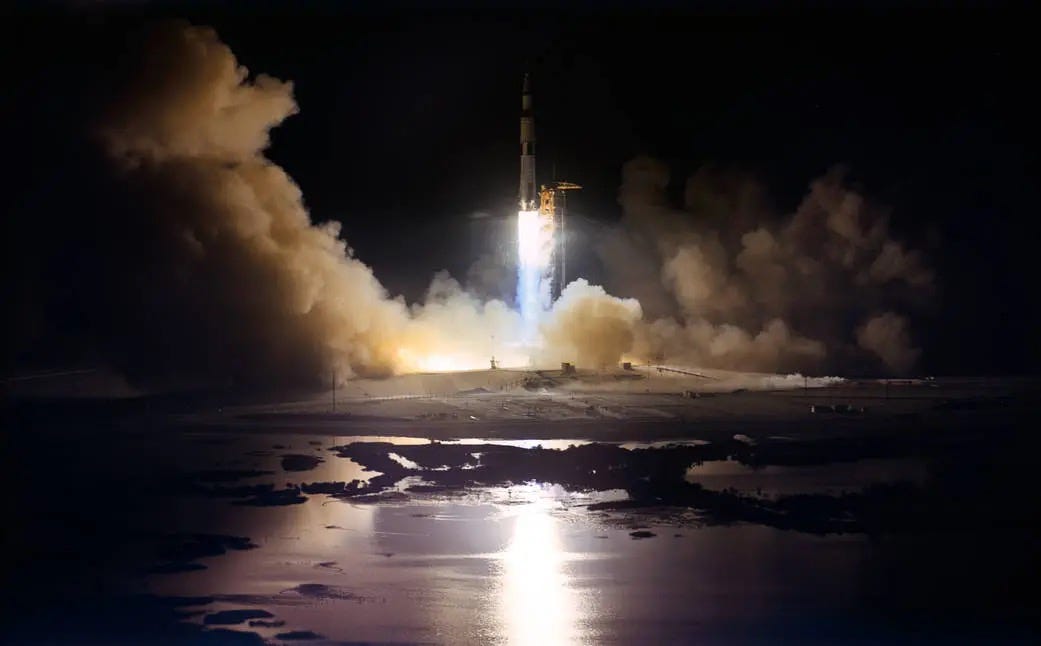
That launch hit me harder than I expected. Not just because it was beautiful, but because it felt like the long silence had finally been broken. For the first time since I was a child, humans were leaving low Earth orbit again, heading back toward the Moon.
Now that the rocket has flown, the burn is done, and Orion is coasting toward its lunar flyby, I’ve had some time to think about what Artemis II actually means. And I want to be straight with you:
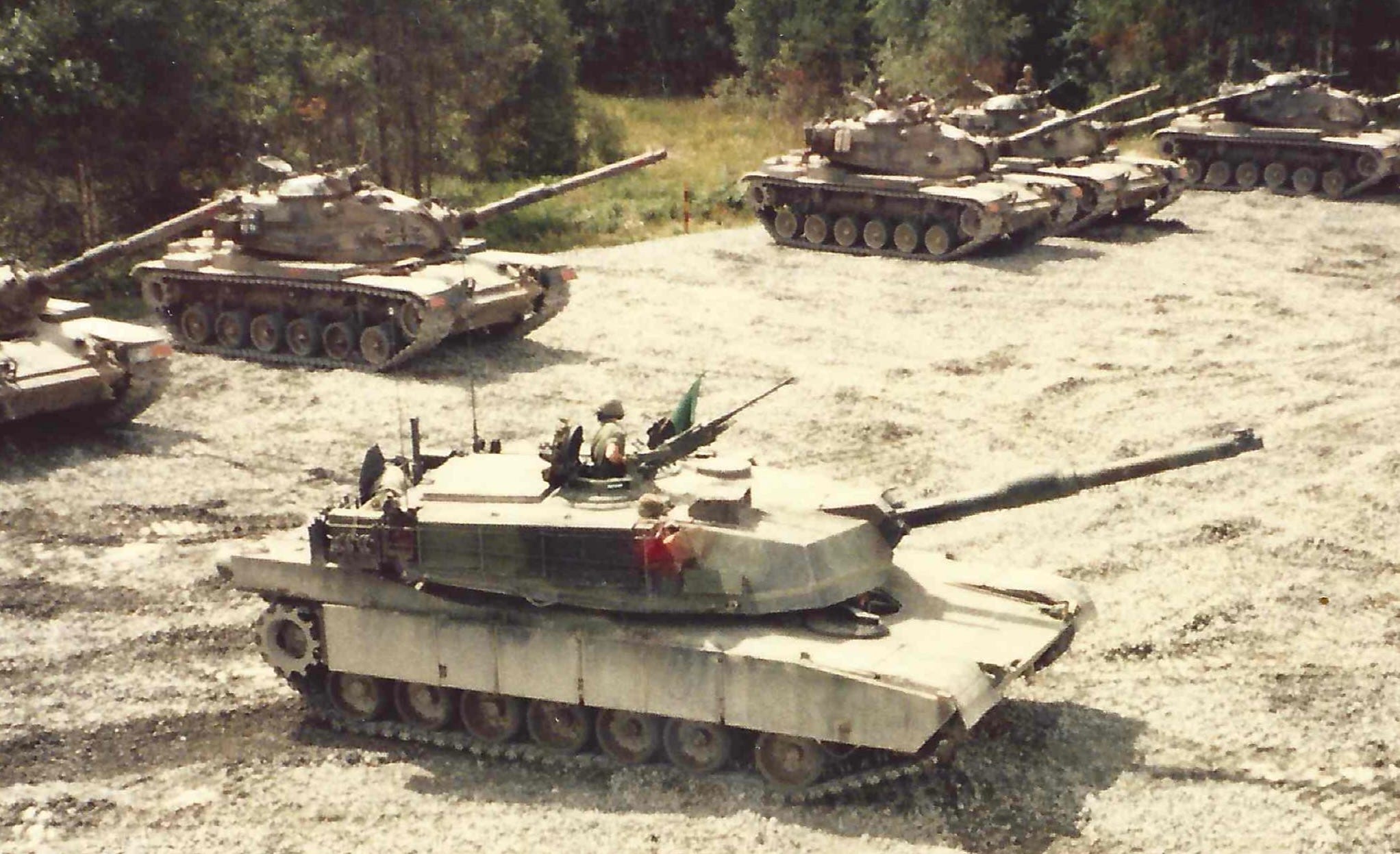
Artemis is expensive. Painfully expensive. Just as the M60A3 was the final refinement of the Patton tank series, the SLS rocket and Orion spacecraft represent the ultimate evolution of the Saturn V/Apollo approach — and that approach is not cheap, not fast, and not sustainable in the long run.
The M60A3 was the ultimate development of the Patton tank series — the final, most refined version of a long line that began in the 1940s. It was reliable, capable, and well-understood. But it had reached the limits of what that basic design could do, like Saturn V/SLS has. To move forward, the Army had to make the leap to an entirely new tank: the M1 Abrams.
But here’s the part that’s harder to say, and even harder for some people to hear:
Artemis was still necessary.
The Relearning
Even as Artemis II flew smoothly toward the Moon, the crew ran into problems that felt almost mundane — until you remember that no one had dealt with them in deep space for over fifty years.
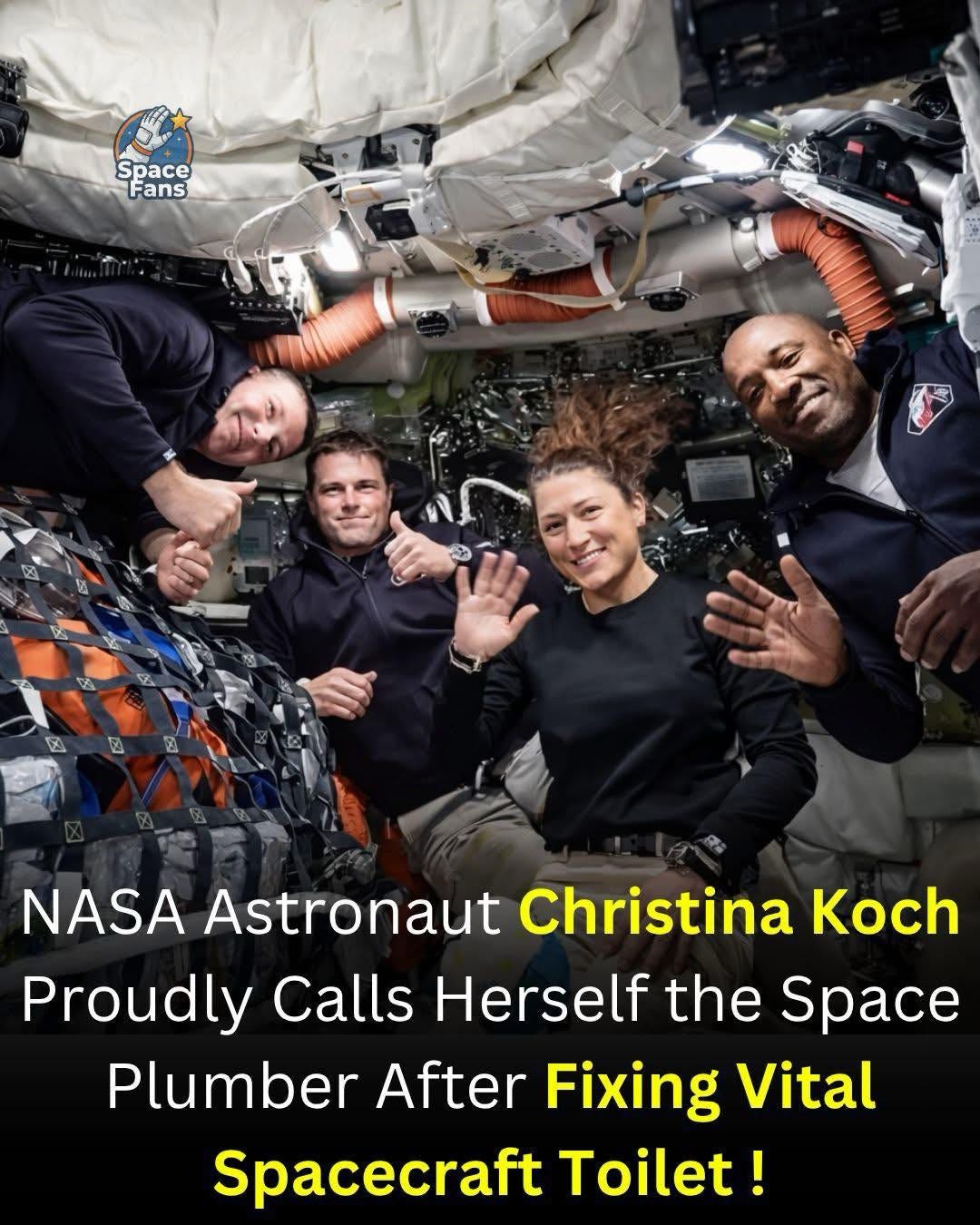
The toilet system malfunctioned. The waste vent nozzle froze when it was on the cold, dark side of the spacecraft, away from the Sun. There was even a funny meme floating around the internet about space plumbers, and clearly NASA needs them.
They got the big things right — the TLI burn was perfect, for example — but the mundane operational stuff is not so mundane when you’re 200,000 miles from Earth. Simple things that engineers thought they had figured out decades ago turned out to need re-learning in the actual environment of cislunar space.
These weren’t catastrophic failures, but they were important reminders. After Apollo ended in 1972, NASA lost almost all the institutional knowledge and “muscle memory” for operating a crewed spacecraft far from Earth. How do you manage waste heat and venting when one side of your vehicle is in blazing sunlight and the other is in deep cryogenic shadow? How do you keep life support systems reliable over days and weeks instead of hours?
Artemis II wasn’t just a test flight. It was a necessary, expensive reset button on decades of lost operational experience. We had to send four astronauts out there not just to plant a flag or take pretty pictures, but to rediscover what actually works when you’re operating in deep space.
The Bridge
Artemis isn’t the future. That much is clear.
SLS is still too expensive, Orion is still too heavy, and the whole architecture is pushing the absolute limits of what you can do with an evolved Saturn V approach. It’s the M60A3 of spaceflight — the best version of an older paradigm, but not the vehicle that will open the solar system at scale.
But here’s the part that matters:
Artemis is a necessary bridge.
After more than five decades of mostly staying in low Earth orbit, we had to go out there and relearn how to operate with humans in deep space. We had to rediscover the mundane things that become critical when you’re 200,000 miles from home. We had to rebuild the muscle memory.
That experience doesn’t come from PowerPoints or simulations alone. It comes from actually flying.


Artemis II is giving us that. It’s buying time and operational knowledge while the commercial sector — led by SpaceX and Starship — matures the truly scalable technology. The goal should be to use Artemis to get us back to the Moon, prove we can operate there, and then move forward with reusable, modular, and more powerful systems that can conquer deep space permanently.
If we’re smart, that’s exactly what will happen.
Closing
Artemis II won’t be the vehicle that builds lunar cities or opens the solar system. That job will eventually fall to Starship and the next generation of fully reusable systems.

But it was never meant to be that vehicle.
Its job was simpler, and in some ways harder: to break a 53-year silence, to put humans back on a path beyond low Earth orbit, and to help us remember how to live and work in deep space.
We needed this bridge. We needed to relearn the hard, mundane lessons that only actual flight can teach. And now that we’ve taken those first steps again, the real work of building a sustainable future in space can begin.
The dream I had as a six-year-old boy didn’t die. It just took a much longer, more winding road than I expected. Watching Artemis II lift off reminded me that sometimes the most important thing isn’t getting there fastest or cheapest — it’s simply getting back on the path.
And for the first time in my lifetime, it finally feels like we are.
Amen to that,