


The American Republic Faces The Same Issues … Sort Of
In Rome, reformers and populists expanded the polity. In today’s Late Republic, the dynamic has almost perfectly flipped.
In Part 1 we examined how the Roman populares pushed to expand citizenship to the Italian allies. What began as an attempt to correct a genuine injustice became a political weapon that helped destroy the Republic.
Today in America, the script has inverted.
Burdens Without Consent
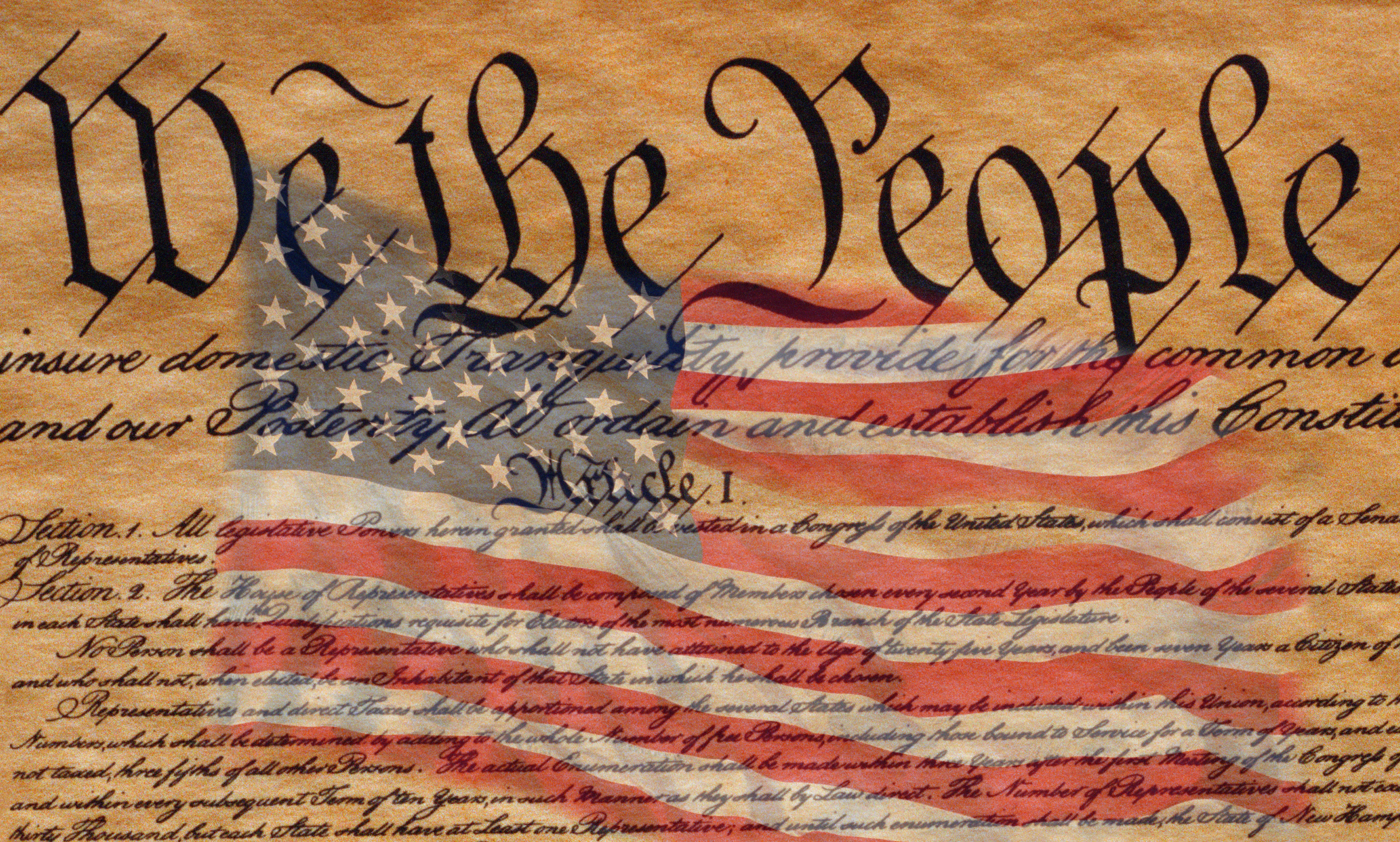
The Founders deliberately designed the American Republic so that the polity itself, the citizen body, would function as the ultimate check on power. This is what we call the Fourth Branch: the sovereign people, distinct from the three constitutional branches of government. They are the foundation upon which the entire system rests.
American citizens continue to bear the primary burdens of the polity: they pay the overwhelming majority of taxes, fight the wars, fund the welfare state, maintain the infrastructure, and are expected to uphold the cultural norms and rule of law that make the country function.
Yet over the past several decades, the actual composition of that polity has been changing rapidly. And often without clear consent from the existing Fourth Branch.
This is not ancient history. It is happening in real time, and it strikes at the very heart of the Founders’ design.
Mechanisms of Expansion
The modern expansion and dilution of the American polity operates through several channels:
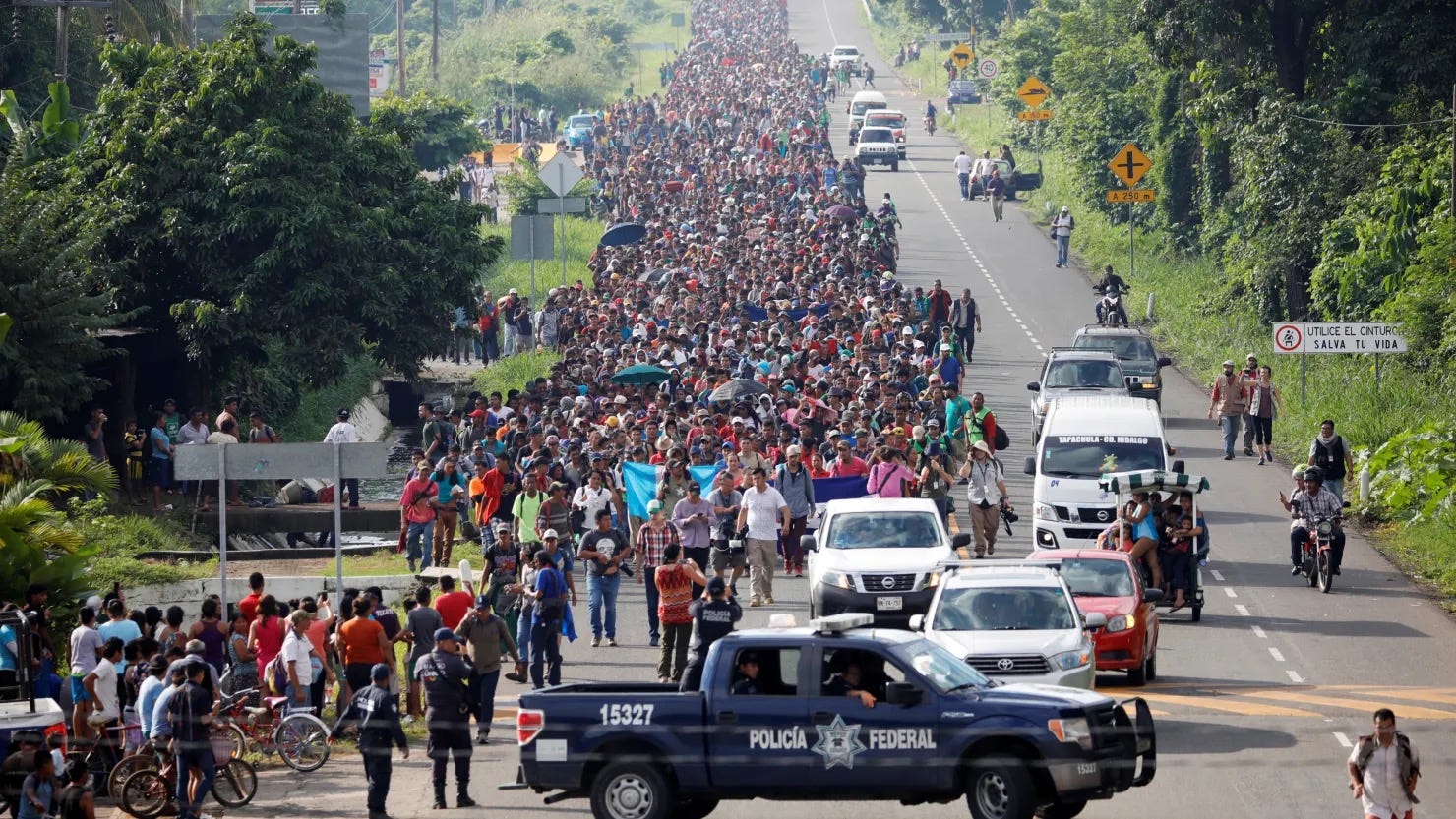
Mass legal and illegal immigration on a scale never before seen in American history during peacetime.
Expansive interpretations of birthright citizenship.
Chain migration and family reunification policies.
Sanctuary rules and administrative decisions that extend benefits and de facto political influence to non-citizens.
A prevailing ideology that treats demographic change as an unqualified good, regardless of the wishes of the historic American people.
In this inverted dynamic, it is largely the administrative state, globalist institutions, large corporations, and ideological opponents of populism who have championed these transformative policies. Often in direct opposition to the will of the Fourth Branch.
The reformers of our time, those advocating for controlled borders, assimilation, and preservation of the historic American nation, are now the ones fighting to protect the integrity of the polity.
The Deeper Question
For the record, I am the product of relatively recent immigration. My family arrived in America within the last hundred years. I am proud of those roots and grateful to be part of what the Founders intended: a nation that assimilates people from many backgrounds into a unique American polity grounded in shared culture, language, and commitment to ordered liberty.
This is not nativism or ethnic chauvinism. It is a practical question of stewardship: How do we preserve the unique nature of the American polity so that it can continue to produce the extraordinary results it has for over two centuries?
The Founders built a high-trust republic predicated on a definable people with a shared culture, language, and commitment to ordered liberty. We are now running a vast experiment to see whether that same republic can survive rapid, large-scale demographic transformation while retaining its essential character, cohesion, and consent-based legitimacy.
Rome ultimately could not.
The American answer is still being written.
Further Reading
This Part 2 builds directly on the foundation laid in my earlier piece:
The Fourth Branch: America’s Unique Sovereignty (Security n Cigars). My core exploration of the Founders’ deliberate design placing the citizen polity as the ultimate check on power.
Key Works on the Transformation of the Polity
Victor Davis Hanson, The Dying Citizen: How Progressive Elites, Tribalism, and Globalization Are Destroying the Idea of America (2021) A powerful and deeply researched examination of how American citizenship itself is being hollowed out: legally, culturally, and demographically.
Jean Raspail, The Camp of the Saints (1973) A controversial but disturbingly prophetic novel about mass immigration overwhelming Western civilization and the collapse of social cohesion.
Samuel P. Huntington, Who Are We? The Challenges to America’s National Identity (2004) Huntington’s sobering analysis of the erosion of America’s core culture and the dangers of turning the nation into a purely “propositional” entity.
Observations from the Late Republic
Examining the decline, the decay, and the quiet resistance in late-stage America.
#Observations #LateRepublic #FourthBranch #AdministrativeState #CitizenSovereignty
All Observations from the Late Republic posts
Well written and a source for deep thinking and soul searching. Insofar as we have mass legal and illegal immigration on a scale never before seen in American history during peacetime, I think that's coming to an end as the Trump administration reviews changes to immigration law that will encourage those who can contribute, not guarantee a whole family entry on the coattails of one desired immigrant, and the already in process deportation of illegals already here. We'll have to see what SCOTUS says about birthright citizenship, but my understanding of the intent of the 14th Amendment was to guarantee citizenship to ex-slaves, not foreigners who come specifically to get citizenship for their offspring. Hopefully SCOTUS will agree with me. We've already seen a reduction in applications for sanctuary, and re-introduction of waiting for a decision outside our borders will help as well. Your last point, the progressive ideology is, thankfully, showing signs of wear. Young men in particular are returning to religion and church. That doesn't guarantee they will become conservative or MAGA, but it's better than spending your spare time demonstrating against what makes this country great. I believe our problems mimic those Rome had, and I'm not sure we're doing any better than they did. Time will tell.