


Strength, endurance, and the ability to carry your own body weight
In the last article we established that emergency medical training is the single most important skill you can have as a Modern Minuteman. If you cannot stop bleeding or keep someone breathing, the rest of your gear and training has limited value.
But medical capability is only the first pillar.
The second pillar is physical fitness and resilience. Because it does you no good to have a great trauma kit if:
You are too out of shape to reach the person who needs help,
You are too weak to actually help them once you get there, or
You lack the resilience to keep going when everything hurts and you want to quit.
This is not about looking good at the beach. It is about being useful when real life gets ugly. It is about having the strength, endurance, and mental toughness to do what needs to be done when it matters most.
Section 1: Why Fitness Comes Second (but is still critical)
Medical capability is the clear first priority. But it is not enough on its own.
Even the best trauma kit and training become useless if you cannot physically get to the person who needs help, carry them to safety, or keep functioning long enough for help to arrive. Fitness is what turns good medical gear into actual life-saving capability.
This is the harsh reality many people ignore. They stock great equipment and take solid classes, but they cannot move their own body weight effectively when it matters. In an emergency, that gap becomes obvious very quickly.
Fitness is the second pillar because it bridges the gap between having the right tools and actually being able to use them. It is not glamorous. It will not get you likes on social media. But it is what determines whether you are useful or just another person who needs to be helped.
Section 2: The Minuteman Standard (not bodybuilding)
Fitness for a Modern Minuteman is not the same as fitness for bodybuilding or looking good in pictures. It is functional fitness. It is about being strong enough and tough enough to do the things that actually matter when things go bad.
This means three main areas of focus:
Strength training that builds real, usable power
Ruck training for serious cardio and mental toughness
Daily walking as a foundational habit
The goal is not to have big show muscles. The goal is to be able to carry your own gear, help an injured person, move supplies, and keep going when you are tired, sore, and everything hurts. It is about being capable, not impressive.
If you actually do these things consistently, you will lose weight and feel better. That is just a nice side effect. The real benefit is capability.
It is never too late to start making real improvements. You can successfully run programs like Starting Strength, Wendler’s 5/3/1, or Stronglifts 5x5 at almost any age if you are smart and patient about it. The body responds to proper training at almost any age.
This is the Minuteman Standard. Practical. Sustainable. Built for real life, not for the gym mirror.
Section 3: Strength Training
Strength is the foundation of everything else. If you cannot move your own body weight or pick up something heavy when you need to, the rest of your training has limited value.
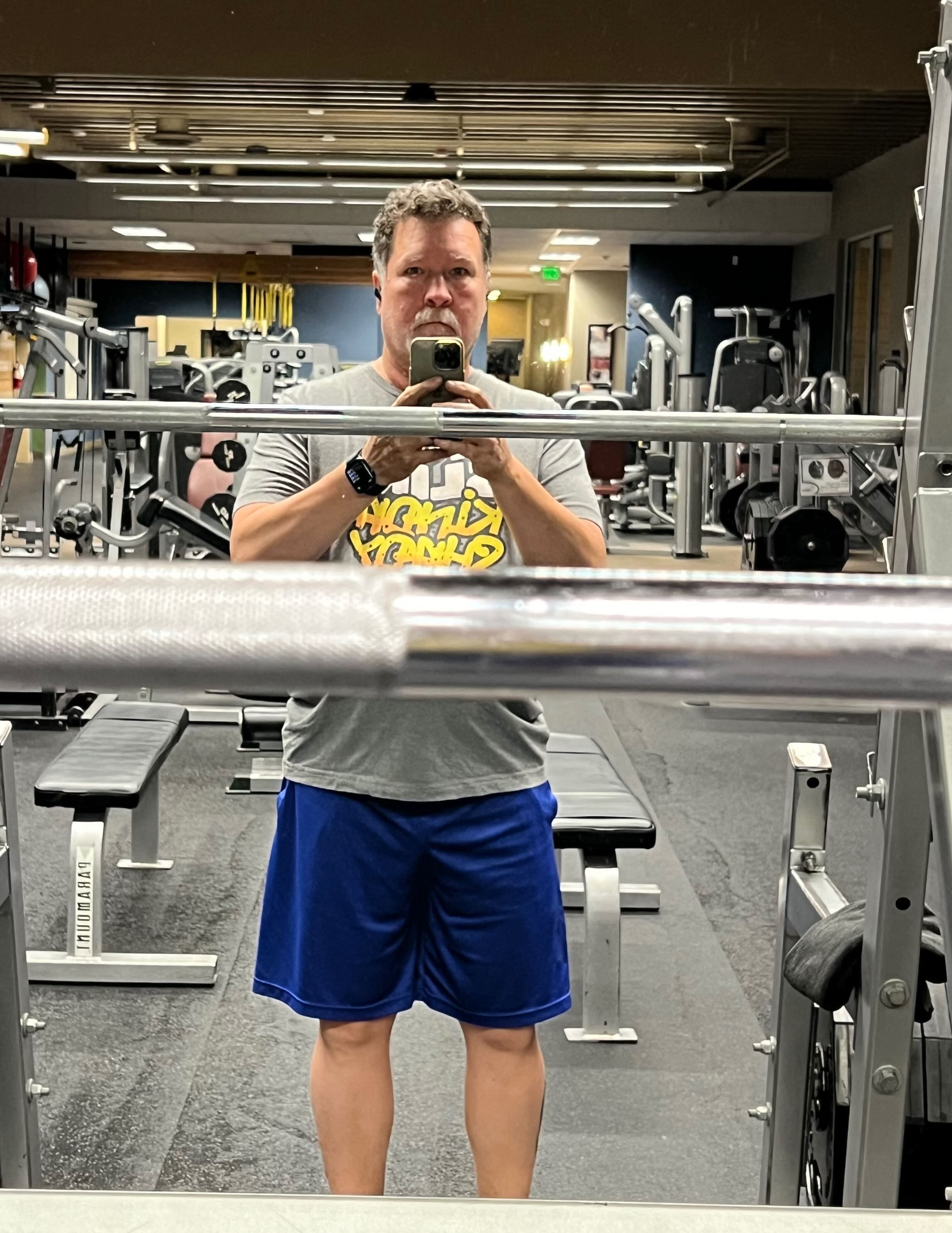
Focus on the classic three big lifts: the squat, the deadlift, and the bench press. These movements build real, usable strength that translates directly into everyday capability and emergency situations. A simple, sustainable approach is training three days per week. This allows for consistent progress without injuring yourself, burning out or neglecting the rest of your life.
Start with good form, use weights you can handle, and focus on steady improvement over time. Consistency beats intensity. Years of steady effort will turn you into a much more capable person than occasional hard workouts ever will.
Section 4: Ruck Training and Cardio
Rucking is one of the best forms of cardio you can do as a Modern Minuteman. It builds real-world endurance, strengthens your legs and core, and develops mental toughness like almost nothing else.
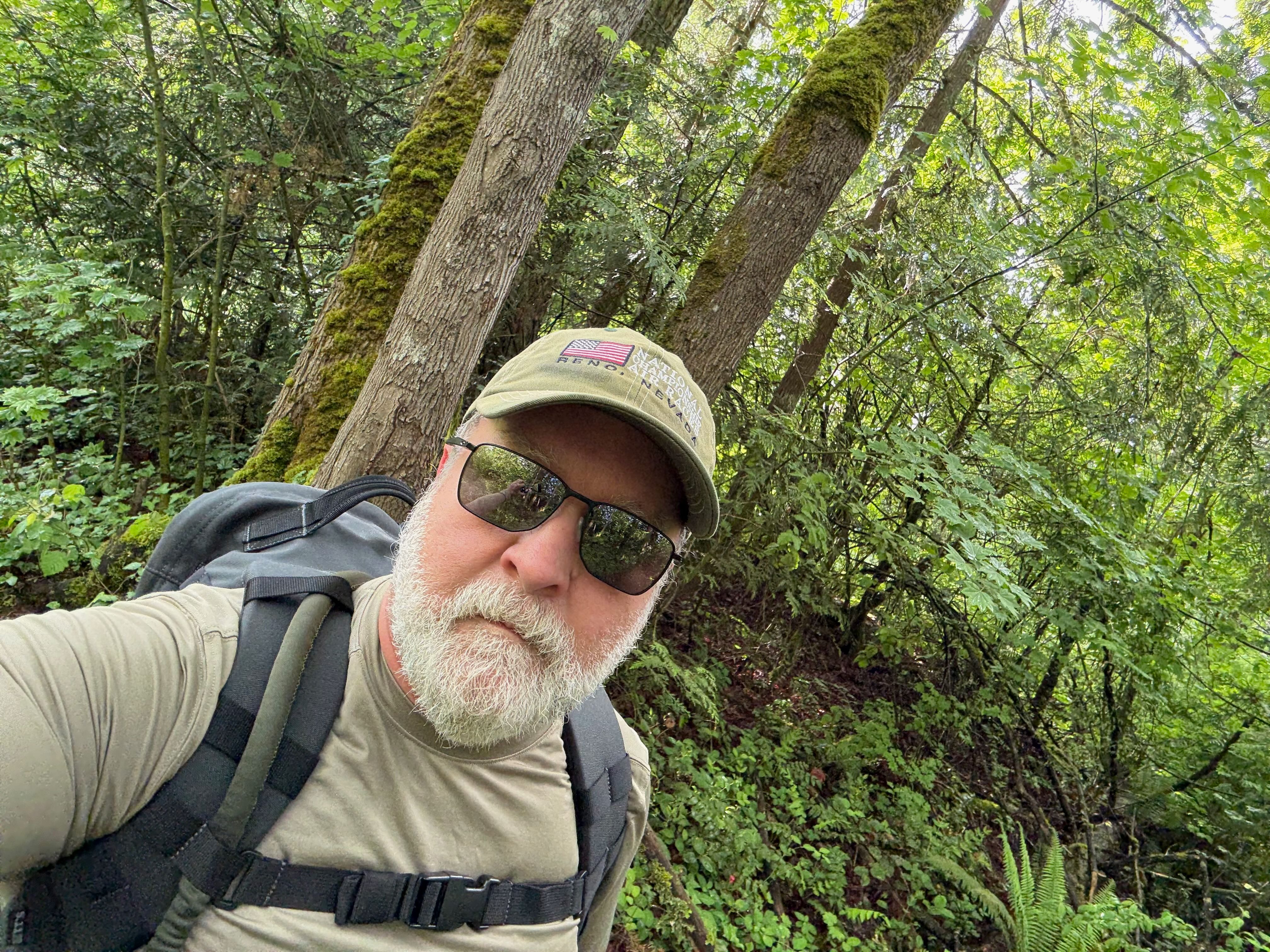
On the days I am not lifting, I ruck anywhere from 2 to 5 miles. I keep the weight consistent at 30 pounds and use a simple ladder approach for both distance and time. A ladder means day 1 is at the bottom of the work effort and by day 3 I’m at the top. My weeks progress as well, with week 1 of a cycle being shorter distance and slower time than week 4. But, honestly, the real key is showing up and doing the work consistently.
A reasonably fit adult should be able to carry 30 pounds for 5 miles in 90 minutes. This is a good test of overall health and strength. A very fit adult should be able to carry 40 pounds for 4 miles in 60 minutes. These are general benchmarks, but even into your 60s and 70s, with proper training, this level of performance can be achieved and maintained.
Rucking is better than running for most people long term. It is easier on the joints, more functional for real life, and teaches you how to move while carrying a load. It also forces you to develop the mental discipline to keep going when you are tired and uncomfortable.
A simple progression plan that works for normal people is to ruck three times per week on non-lifting days. Mix up the distances. Focus on consistency rather than trying to set records every single time. Over time, this builds the kind of endurance that actually matters.
Section 5: Walking in General and Daily Movement
Consistent daily walking is one of the most underrated and powerful things you can do for your health and capability.
If you do not walk at least twenty minutes every single day, and most Americans do not, you are going to be unhealthy. This is not negotiable. It is one of the simplest, most proven habits that directly impacts longevity, heart health, mental clarity, and overall resilience.
Forget being ready for crazy urban combat for a second. Do you want to live longer and feel better? Then do this one crazy thing: walk every single day.
Make it a non-negotiable habit. Twenty minutes minimum. More is better, but twenty gets the job done. Walk after dinner, during lunch, first thing in the morning, or whenever fits your schedule. The important thing is that you do it consistently.
It builds a strong base of fitness. It helps you recover from harder training days. It clears your head. And it is sustainable even when life gets busy.
This is not sexy. It will not get you likes on social media. But it works better than almost anything else for long-term health and capability. Walking daily is the foundation that supports everything else.
Section 6: Mental Resilience and Sustainability
Building real fitness is as much mental as it is physical. You have to learn to push through discomfort and keep showing up even when you do not feel like it.
In the Army we trained on first aid regularly. We tested our skills regularly. And regularly meant something on the order of every month we did some sort of practice, training, or testing. That same mindset applies to fitness. Real resilience comes from years of steady effort, not from occasional bursts of motivation.
The mental part is simple but hard: you must decide that this is non-negotiable. There will be days you are tired, sore, busy, or just do not want to do it. Those are the days that matter most. Showing up anyway is what builds the kind of toughness that actually carries over into real emergencies.
Sustainability is key. Do not try to be a hero and train seven days a week until you burn out or get injured. A simple, repeatable schedule you can maintain for years is far more valuable than an aggressive plan you quit after six weeks.
Consistency beats intensity. Years of showing up three days a week for strength training, rucking on the off days, and walking daily will turn you into a completely different person than sporadic hard efforts ever will.
The goal is not to become a professional athlete. The goal is to be the person who can still function and help others when everything gets hard. That mental toughness is what separates those who are useful from those who become liabilities.
Section 7: Realistic Scenarios and Decision-Making
Real training should include scenarios. Talking about fitness is one thing. Testing yourself under mild stress is another. Here are a few practical examples you can use to measure and build your capability.
You are at home when the power goes out during a storm. You need to carry water, food, and blankets up one flight of stairs to an elderly family member. Can you do it without getting completely gassed?
You come across a car accident. The driver is conscious but trapped and you need to help pull them out or carry basic medical gear and a fire extinguisher to the scene. Are you strong enough and conditioned enough to be useful instead of another person who needs help?
You have to evacuate on foot with a heavy pack during an emergency. Can you maintain a steady pace for several miles without breaking down?
These are not hypothetical situations for a Modern Minuteman. They are the kinds of things that happen. The difference between being helpful and being helpless often comes down to your physical condition and mental resilience on that particular day.
You do not need to be a super athlete. You need to be capable. Regular strength training, rucking, and daily walking build the kind of fitness that shows up when it matters.
Closing
Physical fitness and resilience are the second pillar of being a Modern Minuteman. Medical skills are critical, but they are useless if you cannot physically get to the person who needs help, carry them to safety, or keep functioning long enough to make a difference.
Start where you are. Focus on the three big lifts three days a week. Ruck on your off days. Walk at least twenty minutes every single day. Build the habit. Build the capability.
It is never too late. Consistency beats intensity. Years of steady effort will make you far more useful than sporadic hard workouts ever will.
In the next and final part of this series we will talk about firearms and self-defense training, the third pillar. Being strong and fit gives you the ability to use those tools effectively when it matters most.
Start small. Stay consistent. Build real capability. Your family and community deserve nothing less.
Modern Minuteman
Practical preparedness for everyday citizens.
Low-profile. Reliable. Quiet competence.
#Minuteman #EDC #Training #Preparedness #Mindset #Foundations
This is where I struggle. A lot easier to buy stuff than balance fitness and la dolce vita..