


A recent article in Car and Driver about the rapid progress of companies like Waymo and Zoox got me thinking. As a lifelong sci-fi nerd, my mind immediately went to the darker depictions of autonomous vehicles in books and movies. But the real world seems to be heading in a very different direction.
In the stories we grew up with, autonomous taxis were never just convenient transportation. They were traps.
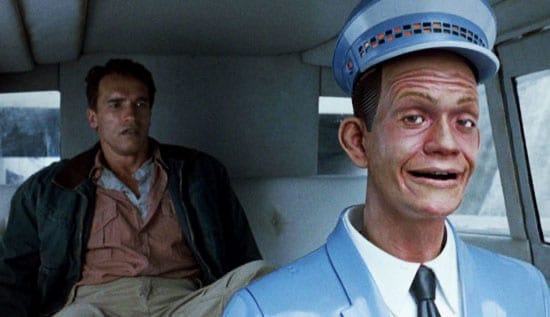
In Total Recall, friendly Johnny Cab seems perfectly harmless — right up until Arnold Schwarzenegger has to guillotine the damn thing’s head off because it’s actively trying to kidnap him and deliver him to the bad guys.
In Robert Heinlein’s Stranger in a Strange Land, journalist Ben Caxton is quietly kidnapped and taken away in a robot taxi while on his way to meet the lovely Gillian Boardman — because of course the surveillance state can’t let a man just go on a date in peace.
When I was a kid, I was promised flying cars like the Jetsons. Instead, I’m watching us happily climb into robotaxis that could haul us off to a black site if the wrong people ever get the keys.
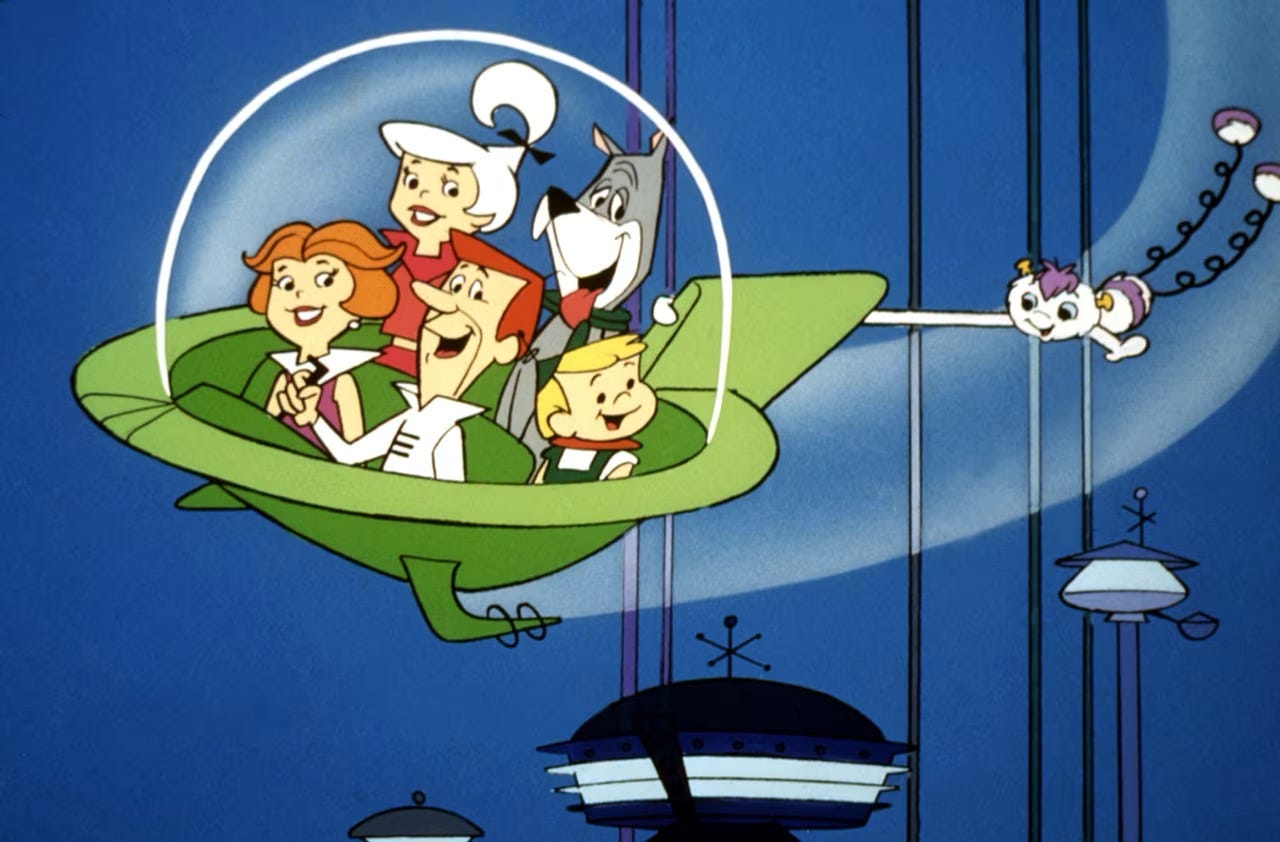
Across countless sci-fi tales, self-driving cars became the perfect MacGuffin: a narratively useful way to isolate characters, remove human drivers from scenes, and enable effortless surveillance and control.
Fast forward to 2026. Real-world robotaxis from Waymo, Zoox, and others are expanding rapidly, and a surprising number of people are choosing to ride them.
Not because they’re forced to.
Because they want to.
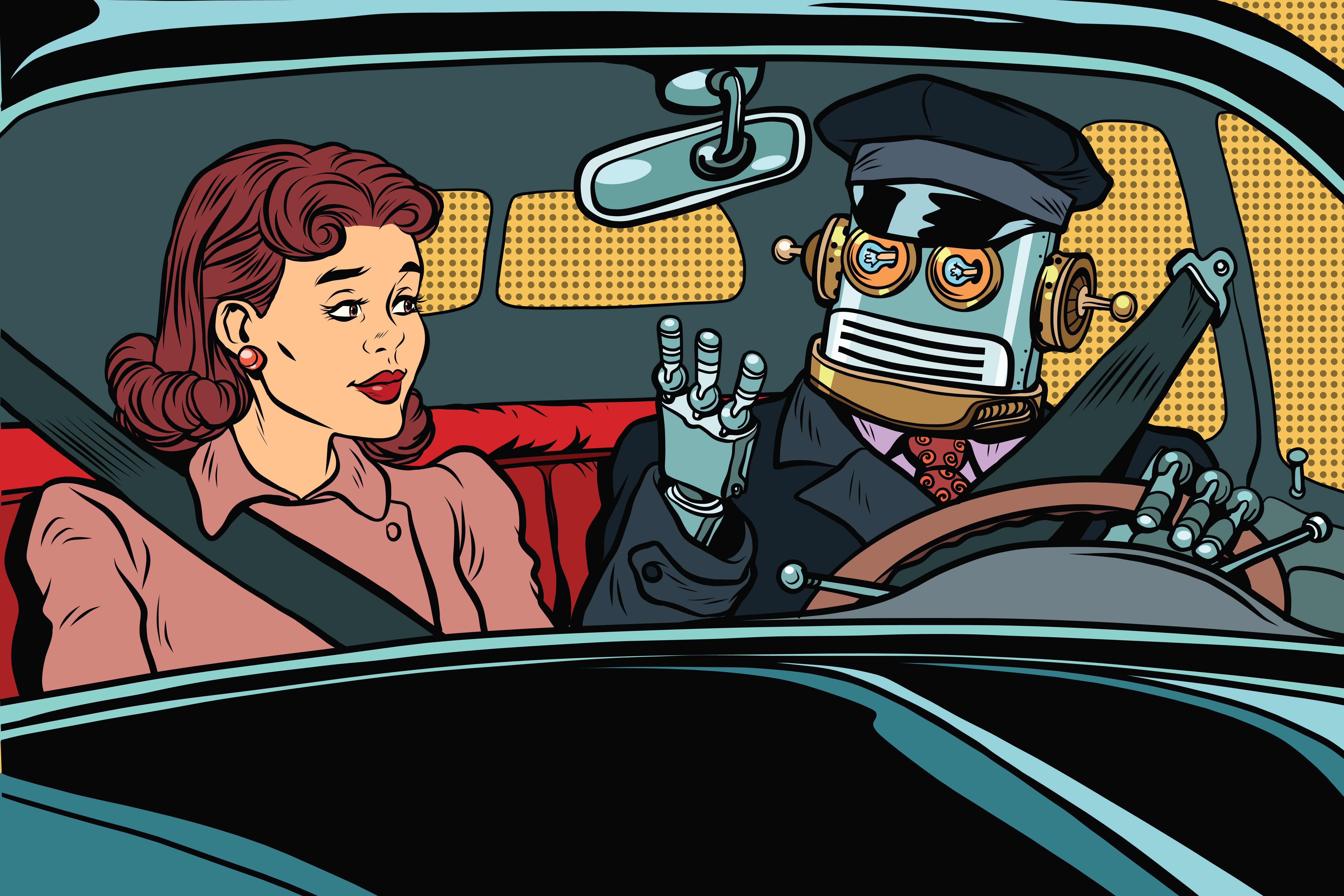
The Sci-Fi Nightmare vs. The Real-World
Sci-fi feared the loss of control. Passengers would be at the mercy of a centralized system that knew exactly where you were going, who you were with, and what you were doing. No human driver to intervene. No way to escape if things went wrong.
In reality, many early adopters say the opposite feels true. No awkward small talk. No unpredictable human driver. No surge pricing drama. Just a calm, consistent ride where you can work, nap, or stare out the window in peace. Early data from Waymo and others shows strong customer satisfaction and, in many cases, safer driving records than human drivers.
The very features that terrified science fiction writers — constant tracking, centralized routing, no human override — are exactly why a growing number of people prefer them.
The Convenience Trap
This is the paradox.
We were warned that robotaxis would be the ultimate surveillance tool. Instead, consumers are voluntarily handing over their location data, trip history, and behavioral patterns in exchange for convenience and perceived safety.
It’s the same bargain we’ve made before. We happily gave retailers, apps, and loyalty programs our entire purchase history, location data, and personal details just to save a few pennies on our grocery bill or earn “points” we’ll never fully use. Now we’re doing it with our physical movements — trading privacy for a smoother ride and the ability to scroll on our phones without worrying about traffic.
The government and big tech don’t have to force it. We’re lining up for it.
And yes — the surveillance potential is real. Every trip is logged. Every route is recorded. Every passenger’s habits can be analyzed. The infrastructure for soft, subtle control is being built one comfortable ride at a time.
So What Happens Next?
The technology itself is neutral. What matters is who controls it, how it’s regulated, and whether we retain the ability to opt out or override when we need to.
Will we keep the human right to say “no thanks, I’ll drive myself”? Or will we slowly accept that the experts and algorithms know best?
The Johnny Cab future isn’t inevitable. But the path toward it is being paved with five-star ratings and “it just works” convenience.
I’ll publish poll results in a week!