


Now that we’ve covered the two most critical foundations, emergency medical training and physical fitness, it’s time to talk about firearms and self-defense.
If you’ve made it this far in the series, you already understand the mindset. Preparation isn’t about collecting toys or playing operator. It’s about being a capable, responsible asset to yourself, your family, and your community when things go wrong. A firearm is a tool, a powerful one, but it’s useless or worse without the fitness to deploy it effectively and the medical skills to deal with the aftermath.
We’re assuming here that you have zero background with pistols and defensive handgun use. That’s okay. Most people starting out are in the same boat. Here’s a realistic, step-by-step path.
1. Don’t Buy First
Do not drop $500 to $1,000 or more on a gun sight unseen just because someone online recommended it.
Most good ranges have a rental counter with a variety of pistols. Rent several in 9mm (the standard for self-defense today; reliable, manageable recoil, widely available, and effective). Spend an hour or two shooting them under basic instruction. Pay for that intro lesson if needed; it’s worth every penny.
Focus on what feels comfortable in your hand, points naturally, and that you can shoot accurately without fighting the gun. Size, grip texture, trigger feel, and overall ergonomics matter more than brand hype when you’re starting.
2. Buy Your First Pistol
Once you’ve tried several options, buy something that works well for both learning at the range and concealed carry. Do some research, remember your range time, talk to someone with experience.
We live in a genuine golden age of concealed carry pistols compared to even just five years ago. There are now dozens of truly excellent, reliable options that are shootable, high-capacity, and easy to conceal.
For years I carried 1911 type pistols, especially a Springfield Armory 1911 EMP, designed for concealed carry. I’ve been shooting and carrying the 1911 pistol for 40 years. They’re iconic, shoot beautifully, and I still enjoy them at the range. But when it came to everyday carry, I transitioned to the Sig Sauer P365XL. It’s more compact with a higher capacity in a concealable package. And it shoots well. For most people starting out, this is an excellent balance.
Other strong recommendations:
Glock 19: The gold standard for reliability, ease of shooting, and aftermarket support. Extremely forgiving for new shooters while remaining practical for carry.
Sig Sauer P365: My current EDC choice. There are a bunch of variants. If you like this option, see if you can at least handle a couple different variants at the gun store.
Springfield Hellcat Pro: Micro-compact with impressive capacity and good shootability.
Glock 43X or Smith & Wesson M&P Shield Plus: Slim, reliable, and very popular for everyday concealment.
CZ P-10 series: Excellent ergonomics and often praised as one of the most shootable compact pistols.
There are many more solid choices depending on your hand size, budget, and preferences. PSA Dagger, Canik, Walther, and many other manufacturers all have strong contenders. The key is finding one that fits you after renting and trying them.
Buy from a reputable dealer. Get a quality kydex holster designed specifically for your model (IWB or appendix carry). Skip cheap nylon or leather, neither of which is appropriate for concealed carry and self-defense situations. Add a proper gun belt that can support 4 lbs without sagging.


Priorities: Reliability first, then shootability, then concealability. Stick with 9mm. You don’t need to spend an extra $300 (or more) on an optic for your pistol, but it won’t hurt you either.
3. Build Real Proficiency
Training beats gear every single time.
Take a solid local NRA or equivalent basic pistol class. The class needs to include safety, principles of marksmanship, and range time to put the principles into practice. It should also include some fundamental basics on how to dry fire and train at the range after the class to maintain and strengthen what the class taught you.
Then it’s time to put this training into practice at home. You should dry fire every day for a few minutes. Safety note: When you do, it’s critical that you clear the pistol and leave all ammunition in another room. During dry fire we focus on grip, sight alignment, and trigger press.
You also need to go to the range on a recurring basis to shoot and apply your training and dry fire with live rounds. I recommend every two weeks, at least. During this time, your goal is shoot least 1,000 rounds downrange in your first few months.
Build a range plan and stick to it, over and over. Nothing complex, just the basics of shooting static targets at 5-10 yards. It’s like baseball; you only get better by swinging the bat hundreds of times. The same goes for shooting a pistol. Emphasize fundamentals: grip, sight alignment, trigger press, rounds on target.
Quality > quantity. Deliberate, slow practice builds skill much faster than burning through ammo.
4. Move to Defensive Training
Once you’re competent with the basics and have several hundred (ideally 1,000+) rounds through the gun, seek a quality defensive handgun course. I say 1000 rounds of shooting because that’s the minimum to build real muscle memory. And that is how you become a good marksman.
Remember the baseball bit above. You don’t get to be good at swinging a bat if you do it a few dozen times. It’s hundreds of swings to get muscle memory built, to train your body.
A good self-defense pistol course should include:
Classroom time that addresses the law and the principles of self-defense
Training with simulated firearms (blue guns, SIRT pistols, etc.)
Actual live fire training to put the principles into practice under realistic conditions
Look for instructors who emphasize realistic scenarios, decision-making, draws from concealment, low-light shooting, and weapon retention. And make sure that they have a background to be a good instructor.
Only after completing this level of training should you regularly carry outside the home. Carrying a firearm is a serious responsibility; you must be prepared mentally, physically, and legally.
5. Know the Law
Firearms laws are state-specific and can change.
Many states have a law called constitutional carry, which means that you can carry concealed as long as you can legally purchase and own a firearm. The rest have a concealed carry permit requirement. Know which your state is, and what the requirements are.
Understand use-of-force laws: When is deadly force justified? Does your state law require that you retreat or is a stand your ground state? What about in your home, does castle doctrine apply?
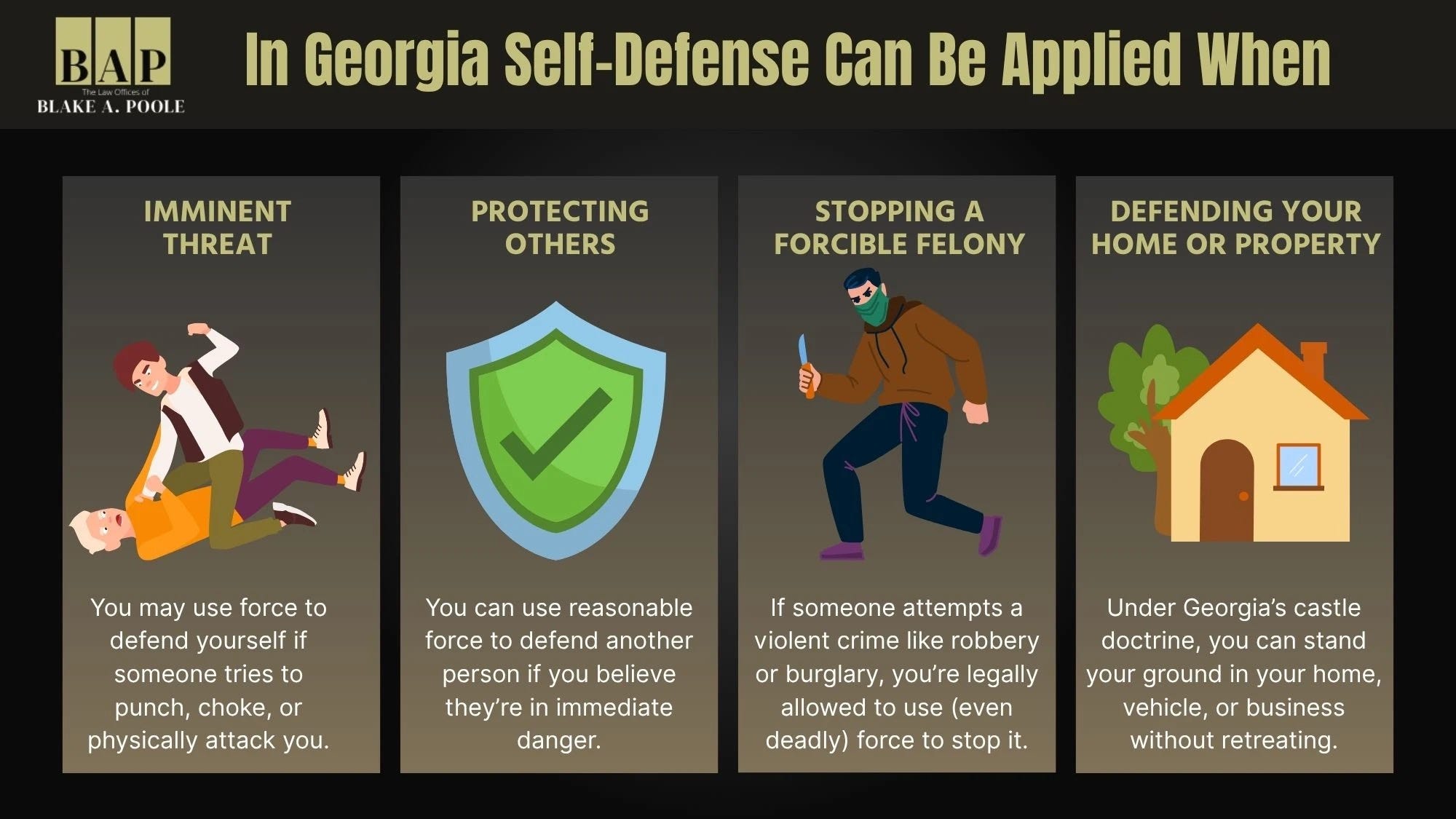
If you are engaged in a self-defense incident, what protocols should you follow, should you call 911 (spoiler alert: yes) and should you say to 911, to other people around you, to law enforcement and first responders?
Some good starting resources include: USCCA, Handgunlaw.us, or your state attorney general’s website. There are a number of concealed carry and self-defense legal protection options (similar to insurance) and you should research those and determine if you need one.
Bottom line: Ignorance is not a defense. Know the rules before you carry. Seriously considering taking a class on law and self-defense, not just the 30 minutes you will get in a good firearms course.
Conclusion: Tool in the Toolkit
A firearm doesn’t make you the Modern Minuteman. Medical skills save lives first. Fitness lets you move, fight, and endure. Training turns the gun into a reliable extension of your will.
This is the third pillar, not the first, for good reason. Get your medical kit sorted, get stronger, then add the firearm responsibly. The goal is quiet competence; the ability to protect what matters without drawing attention.
In future posts we’ll cover integration of all three pillars, vehicle kits, family preparedness, and more.
Previous in series:
So You’ve Got the Gear — Now What?
Emergency Medical Training and Equipment
Physical Fitness and Resilience
Modern Minuteman
Practical preparedness for everyday citizens.
Low-profile. Reliable. Quiet competence.
#Minuteman #EDC #Training #Preparedness #Mindset #Foundations